




By Ayomide Otitoju
A senior executive of MTN Nigeria on Tuesday described Africa as being at a defining moment in its history, declaring that the continent has moved from being the subject of global narratives to becoming the author of its own story.
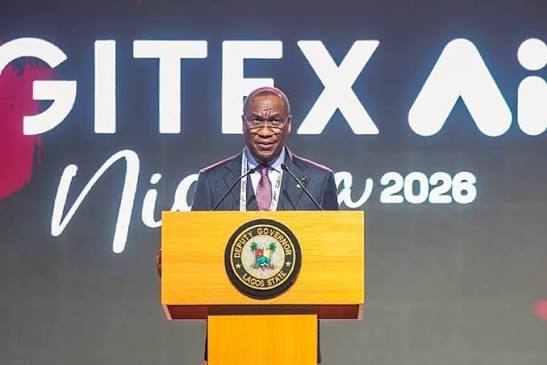
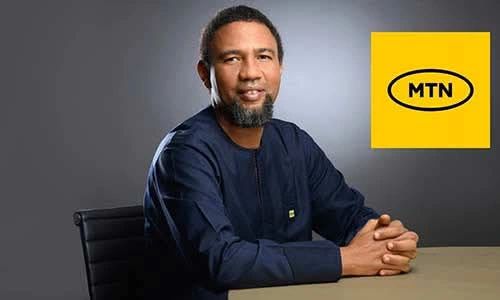
Speaking while receiving the CEO of the Year award at a high-level gathering of African business, policy and cultural leaders, the MTN chief executive said the honour reflected the collective effort of the company’s board and employees rather than personal achievement.
“I accept this award mindful that it belongs to the distinguished board of directors and the remarkable group of MTNers I am privileged to lead. They are the real heroes,” he said.
Addressing what he described as “an eminent audience,” the CEO said those present represented the architects of a new African future, noting that for decades Africa was portrayed through narratives of conflict and deficit, often told by outsiders.
“That era is over,” he said. “We are no longer the subjects of the story; we are the authors.”
He argued that Africa’s growing global influence is evident across multiple sectors, including technology, finance, arts, culture and policymaking, while African talent increasingly occupies leadership positions in global organisations. He also highlighted the global reach of African music, film and culture, saying they now resonate far beyond the continent.
According to him, growing interest from Africans in the diaspora—once rooted mainly in emotional ties—is now being matched by investment, underscoring renewed confidence in the continent’s potential.
“If we as Africans do not recognise and feel the opportunity our continent represents, we cannot expect others to,” he said, commending attendees for their commitment to Africa’s development.
Turning to Nigeria, the MTN boss traced the evolution of the country’s telecommunications sector, recalling that in the late 1990s Nigeria had fewer than 500,000 telephone lines for a population of over 120 million.
He described how basic communication often required long-distance travel or waiting in queues at NITEL offices, a situation he said effectively silenced a vibrant population.
The arrival of GSM technology in 2001 marked a turning point, he said, noting that when MTN entered the Nigerian market, many analysts doubted its viability, citing low income levels and infrastructure deficits.
“They were wrong,” he said. “They underestimated the Nigerian spirit and the African hunger for connection.”
From making its first call on May 16, 2001, MTN has grown to connect more than 84 million subscribers, a figure the CEO said represents far more than scale, but rather the transformation of communities and the integration of Nigeria into the global digital economy.
He said MTN has played a critical role in building the digital backbone of Nigeria’s economy, supporting services ranging from mobile money in remote areas to platforms enabling the emergence of technology startups.
“This is a lesson for investors,” he said. “If you bet on the passion and resilience of Nigerians, you will win. Nigeria is investable, scalable and delivering returns.”
Emphasising MTN’s people-centred approach to technology, the CEO said the company focuses on unlocking opportunity, whether for students accessing the internet for the first time or small business owners conducting transactions through mobile banking.
He pointed to the rise of a new generation of innovators using connectivity to develop solutions for African and global challenges, produce Nollywood films consumed worldwide and create Afrobeats music with global appeal.
Concluding his remarks, the MTN chief executive dedicated the award to the company’s employees, including engineers, customer service representatives and strategists, describing them as the backbone of the organisation’s success.