




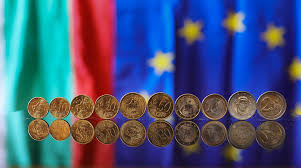
Bulgaria on Thursday officially adopted the euro, becoming the 21st country to join the single-currency zone and marking a major milestone in its integration into the European Union.
At midnight (2200 GMT Wednesday), the Balkan nation abandoned the lev—its national currency since the late 19th century—as Bulgarian euro coins were projected onto the central bank building in the capital, Sofia.
“I warmly welcome Bulgaria to the euro family,” European Central Bank President Christine Lagarde said, describing the euro as a “powerful symbol” of shared values and collective strength.
Celebrations followed the switch, with residents testing the new currency at cash machines. “Great! It works!” said Dimitar, 43, after withdrawing 100 euros shortly after midnight.
Successive Bulgarian governments have championed euro adoption, arguing it will strengthen the economy of the EU’s poorest member state, deepen ties with Western partners, and reduce exposure to Russian influence.
However, the move has sharply divided public opinion. Many Bulgarians fear the euro will fuel price increases and worsen political instability in a country that has held seven elections in five years and is heading toward another vote.
In a nationally broadcast address, President Rumen Radev described the euro’s adoption as the “final step” in Bulgaria’s EU integration, while voicing regret that the decision was not put to a referendum.
“This refusal was one of the dramatic symptoms of the deep divide between the political class and the people,” Radev said, referring to mass demonstrations seen across the country.
Economic concerns remain acute. Food prices rose five percent year-on-year in November—more than double the eurozone average—according to Bulgaria’s National Statistical Institute. Some business owners say prices have already begun rising. “Unfortunately, prices no longer correspond to those in levs,” said pastry shop owner Turgut Ismail.
At Sofia’s markets, prices were displayed in both levs and euros as shoppers adjusted. While some residents expressed optimism—“The whole of Europe has managed with the euro, we’ll manage too,” said retiree Vlad—others remained sceptical.
Outgoing Prime Minister Rossen Jeliazkov sought to reassure citizens, insisting inflation was not linked to euro adoption and urging patience from businesses and consumers.
European Commission President Ursula von der Leyen welcomed the move, calling it “an important milestone” that would boost transparency, competitiveness, and cross-border trade. Central bank governor Dimitar Radev said the euro symbolised “a sign of belonging,” not just a currency.
The euro was introduced in 12 countries in 2002, with Croatia joining most recently in 2023. Bulgaria’s accession brings the number of euro users to more than 350 million people across Europe.