





By Ayomide Otitoju
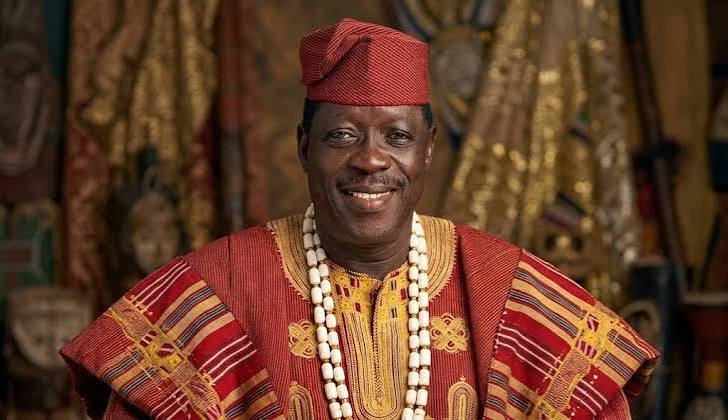
Veteran Nollywood actor and filmmaker Taiwo Hassan, popularly known as Ogogo, has died at the age of 66 after a prolonged battle with stage-four cancer.
Hassan died on Sunday, August 23, 2026, with his daughter, Kira Taiwo, announcing his death in an emotional live video on social media.
The announcement came days after the family dismissed an earlier report of the actor’s death as false.
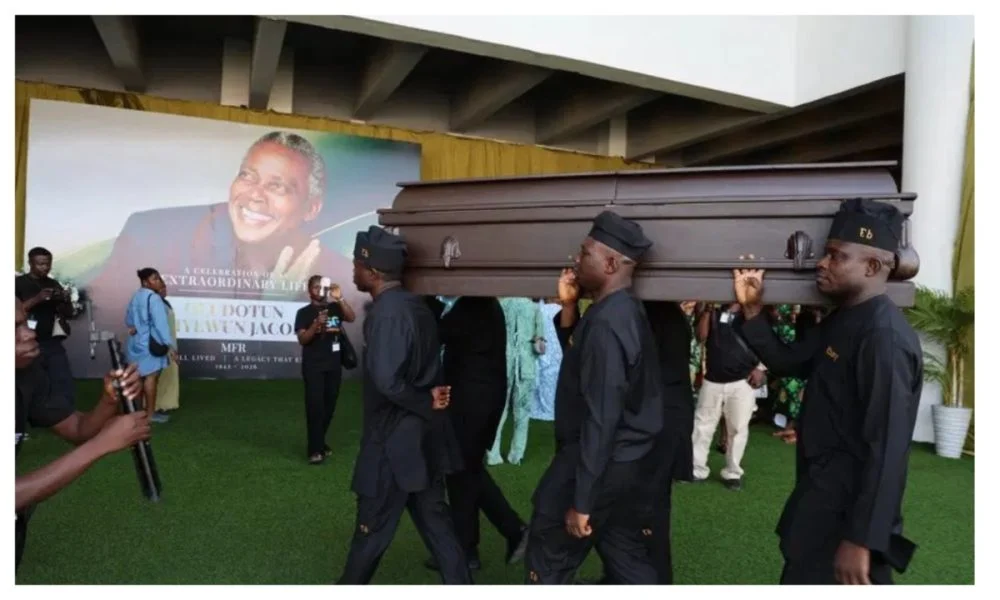
Hassan’s death sparked an outpouring of tributes from colleagues, family members and friends across the entertainment industry. He was buried on Monday in his hometown of Ilaro, Ogun State.
Born in Ilaro on October 31, 1959, Hassan later moved to Lagos, where he trained as an automobile mechanic at Yaba Technical College.
Before gaining fame in Nollywood, he worked with the Lagos State Water Corporation while developing his passion for theatre.
His acting career began in the early 1980s after he trained under veteran theatre practitioner Awo Ademola Fagbemi. He initially built his reputation through stage performances before transitioning into film.
Hassan gained widespread recognition for his role in Owo Blow, which significantly boosted his profile and earned him the 1997 THEMA Best Actor award.
He later became one of the most recognisable faces in Yoruba-language cinema, acting, producing and writing stories deeply rooted in Yoruba culture.
Among his memorable expressions were “Gbogbo wa la máa jẹ breakfast” and “Wallahi Tallahi, mo fi títobí Olórun Ọba bura,” which became associated with his screen persona.
A new generation of audiences also connected with Hassan through Kunle Afolayan’s 2022 film Aníkúlápó, in which he played Alaafin Ademuyiwa. The role earned him a nomination for Best Supporting Actor at the 2023 Africa Magic Viewers’ Choice Awards (AMVCA).
Throughout his career, Hassan received several honours, including the City People Movie Lifetime Achievement Award.
The actor, who came from a family of twins and was himself a surviving twin, leaves behind more than four decades of contributions to Nollywood.
From theatre and home videos to modern cinema, Ogogo remained a prominent figure in Yoruba entertainment and built a legacy that spanned generations.