


By Ayomide Otitoju
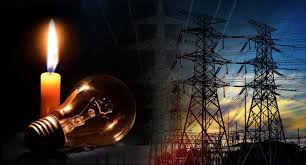
The Nigeria National Grid (NNG) has outlined measures to address recurring power system collapses, which have been attributed to technical faults, poor maintenance of transmission lines, and fluctuations in generation capacity.
On Tuesday, the Grid recorded its second disturbance of 2026, just four days after the first, and weeks after a similar collapse on December 29, 2025, which triggered widespread outages nationwide. Data at the time showed zero megawatts of power being supplied to the country’s 11 electricity distribution companies (DisCos), with generation dropping from over 4,500MW to zero by 11:00 AM. All 23 power plants connected to the grid reportedly lost output during the incident.
In a post on X, the Grid highlighted metering and grid expansion as long-term solutions to the recurring system failures.
“Metering is a huge part of the long-term solution. Nigeria’s supply still depends on how much power is generated, transmitted, and how stable the grid is. Even with meters, outages can still happen if there’s insufficient electricity or infrastructure failures. However, metering is a critical foundation for improved supply. When DisCos are properly paid for electricity actually consumed, their revenues improve,” the Grid stated.
The Grid added that proper metering reduces debt across the value chain, ensures payments to generation companies (GENCOs) and gas suppliers, and promotes maintenance. “Over time, this builds financial confidence for investments in transformers, lines, substations, and better customer service. Proper metering brings fairness, transparency, and trust; consistent power comes later,” it said.
The agency noted that metering should be combined with grid expansion, enhanced transmission capacity, reliable gas supply, and robust regulation to achieve sustainable electricity supply.
Although Nigeria currently generates about 5,000MW, former Power Minister Babatunde Fashola has previously said the system has the technical capacity for up to 12,000MW. Experts, however, note that the country requires over 30,000MW to meet the electricity needs of its 240 million population.
Reacting to the latest collapse, former Labour Party presidential candidate Peter Obi condemned the recurring failures, calling them a continuation of a deepening national crisis. In a statement titled “2026: The Collapse Continues,” Obi noted that grid failures in January 2026 mirrored similar events from the previous year.
Obi highlighted Nigeria’s poor electricity access, saying nearly 100 million citizens remain without power, and the country has ranked lowest globally in access for three consecutive years. Comparing Nigeria to other African nations, he said:
“South Africa, with a population of 64 million, generates and distributes over 40,000MW. Egypt, with 115 million people, generates over 40,000MW. Algeria, with 48 million people, generates over 50,000MW. Meanwhile, Nigeria, Africa’s most populous nation with over 240 million people, produces a mere 5,000MW, a figure that severely hampers productivity.”
Obi attributed the persistent power crisis to governance failures, stressing the need for capable and committed leadership to manage the sector effectively.
“This power crisis is a direct result of continuous leadership failures. The power sector is critical and requires competent and committed leadership to thrive,” he said.


