







By Ayomide Otitoju
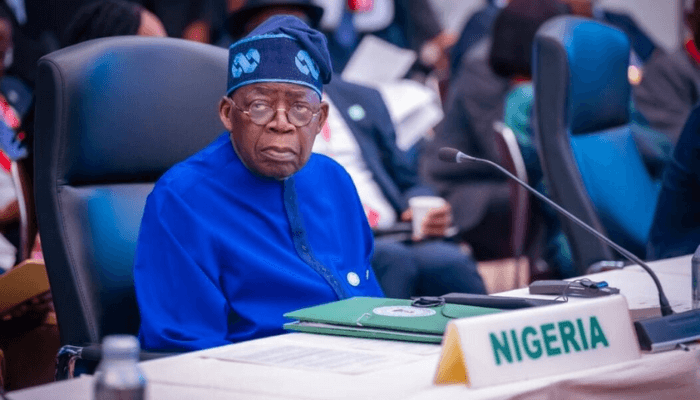
President Bola Ahmed Tinubu’s Executive Order No. 9 of 2026 mandating the direct remittance of oil and gas revenues into the Federation Account is emerging as one of the most far-reaching fiscal reforms since the enactment of the Petroleum Industry Act (PIA).
Signed on February 13, the directive requires that royalty oil, tax oil, profit oil, profit gas and proceeds from production sharing, profit sharing and risk service contracts be paid directly into the Federation Account. It effectively suspends key retention provisions under the PIA, including the 30 per cent management fee on profit oil and profit gas, as well as the 30 per cent allocation to the Frontier Exploration Fund.
Fiscal authorities say the measure could significantly boost government revenues at a time Nigeria faces rising debt service obligations, widening infrastructure gaps and macroeconomic pressures.
The Chairman of the Revenue Mobilisation Allocation and Fiscal Commission (RMAFC), Mohammed Bello Shehu, described the order as “a bold, constitutionally grounded, and fiscally transformative intervention” designed to enhance transparency, eliminate leakages and strengthen revenues accruing to the three tiers of government.
According to RMAFC, structural provisions within the PIA previously allowed substantial deductions before funds reached the Federation Account, including layered management fees and frontier exploration allocations retained upstream.
Data submitted to the Federation Account Allocation Committee (FAAC) show that about ₦906.91 billion was projected in 2025 as management fees and frontier exploration funds. Oil and gas royalties totalling ₦7.55 trillion and gas flaring penalties of ₦611.42 billion were also subject to fragmented remittance processes.
Based on these figures, estimates indicate that up to ₦14.57 trillion in additional allocations could accrue to federal, state and local governments if the order is fully implemented.
RMAFC said the reform would improve transparency and cash flow predictability. “It closes structural leakages, eliminates duplicative deductions, and ensures that revenues due to the Federation are remitted transparently,” Shehu stated.
The directive also recalibrates the fiscal relationship between the Federation and the Nigerian National Petroleum Company Limited (NNPCL). Under the PIA framework, NNPCL retained significant portions of upstream revenues before remitting balances, a structure critics argued reduced the Federation’s effective share of production sharing contract profit oil to about 40 per cent.
Although NNPCL pledged to remit ₦3.25 trillion in interim dividends in 2025, FAAC records show no dividend payment was made during the year.
Industry stakeholders have welcomed the move. The Petroleum Products Retail Outlets Owners Association of Nigeria (PETROAN) described the directive as “courageous and reform-driven,” saying centralised remittances would strengthen accountability, commercial discipline and investor confidence.
Analysts note that beyond transparency gains, stronger and more predictable inflows could ease pressure on Nigeria’s balance sheet by improving debt servicing capacity and enhancing subnational budget planning. With oil prices subject to global volatility, full statutory remittances have become critical to stabilising public finances.
However, observers caution that the reform’s ultimate impact will depend on effective implementation, including possible legal and legislative adjustments to permanently align the PIA with constitutional revenue provisions.
For now, fiscal authorities remain optimistic that the executive order could mark a decisive step toward restoring credibility to Nigeria’s petroleum revenue management and strengthening the country’s strained balance sheet.