







By Ayomide Otitoju
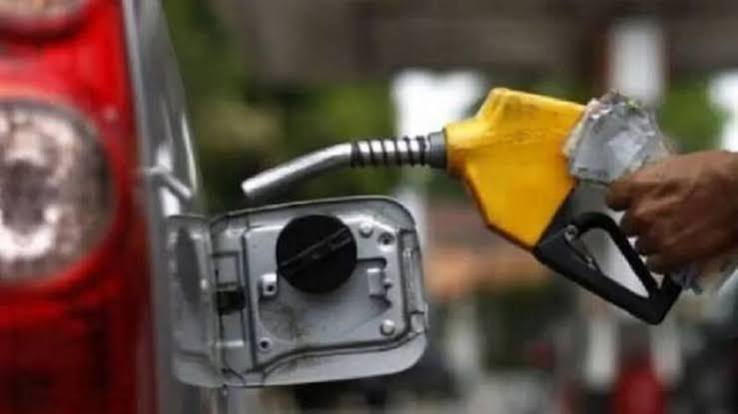
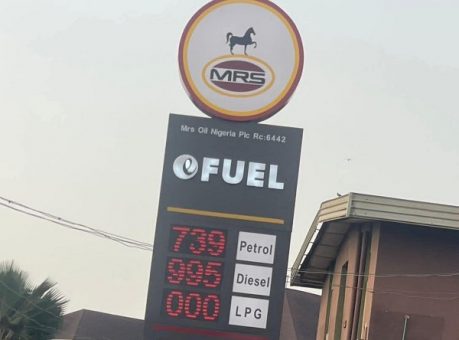
Long queues have begun forming at several MRS Oil Nigeria Plc filling stations where Premium Motor Spirit (PMS), commonly known as petrol, is being sold below ₦1,000 per litre, as motorists scramble to purchase the cheaper fuel.
A market survey conducted on Saturday morning showed private car owners and commercial bus drivers lining up at MRS stations, particularly along the Ibadan–Lagos Expressway, where petrol is currently selling for about ₦937 per litre.
Other stations along the same corridor recorded fewer queues after raising their pump prices above ₦1,000 per litre. Eterna Plc increased its pump price to ₦1,040 per litre, while North West Capital Oil and Fatgbems adjusted their prices to ₦1,030 per litre. Stations operated by Mobil were selling slightly lower at about ₦1,025 per litre.
Despite the growing demand, some filling stations have suspended sales. A station operated by Nigerian National Petroleum Company Limited at OPIC Estate remained closed as of 7:00 a.m. on Saturday, although it was unclear whether the shutdown was due to supply shortages or other operational reasons.
Similarly, several outlets run by TotalEnergies along the expressway were not dispensing fuel at the time of the report, while a few others had only small numbers of motorists waiting outside their gates.
The rush for cheaper petrol follows a surge in global crude oil prices, which climbed above $80 per barrel earlier in the week.
Industry reports earlier indicated that Dangote Petroleum Refinery & Petrochemicals had increased its ex-depot price of petrol from ₦774 to ₦874 per litre, representing a ₦100 increase.
The price hike came shortly after economist Paul Alaje warned that petrol prices in Nigeria could exceed ₦1,000 per litre if the escalating conflict involving the United States, Israel, and Iran continues.
Speaking on the television programme Politics Today, Alaje, Chief Economist at SPM Professionals, explained that rising crude oil prices typically push up the cost of refined petroleum products, including petrol, diesel, and aviation fuel.
According to him, such increases could fuel inflation and raise operating costs for businesses while putting additional financial pressure on households.
Oil prices surged during the week as global markets reacted to the escalating conflict in the Middle East, where the United States and Israel have intensified strikes on Iran, prompting retaliatory attacks from Tehran.
The tensions have disrupted regional energy flows, particularly around the Strait of Hormuz, a key global shipping route through which roughly one-fifth of the world’s oil supply passes.
Analysts warn that while markets currently expect the crisis to be short-lived, a prolonged conflict could significantly disrupt supply chains and push energy prices higher worldwide.