






The International Monetary Fund (IMF) has said it will lower its global growth forecasts, citing the economic fallout from the ongoing Middle East war, and warning of lasting “scarring effects” despite a fragile ceasefire.
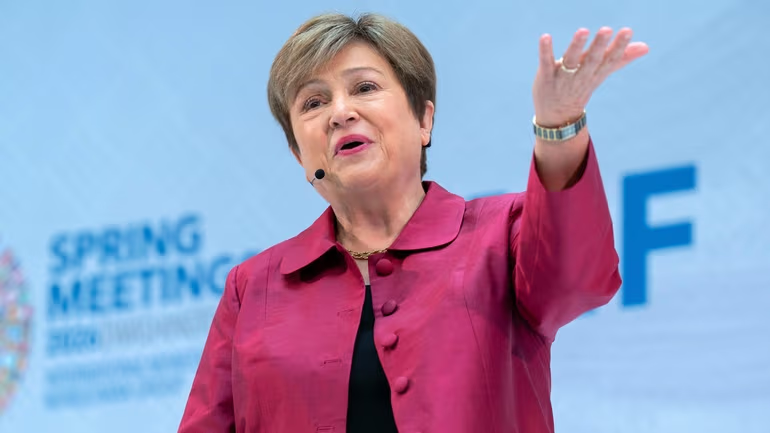
IMF Managing Director Kristalina Georgieva said even under the most optimistic scenario, the global economy will not return quickly to pre-war conditions, pointing to higher energy costs, disrupted supply chains, infrastructure damage, and weakened investor confidence.
She made the remarks in Washington at the start of the IMF–World Bank Spring Meetings, where global finance leaders are assessing the economic impact of the conflict.
Georgieva said the IMF expects increased demand for emergency balance-of-payments support, estimating between $20 billion and $50 billion in immediate assistance needs for countries affected by the war, depending on whether the ceasefire holds.
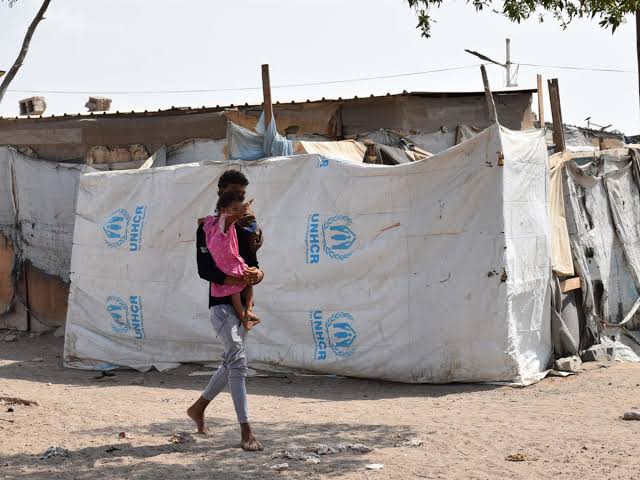
She also warned that food insecurity could affect at least 45 million people, adding that low-income, energy-importing nations are bearing the brunt of the shock.
The war, which escalated after the US–Israel conflict with Iran, has disrupted global supply chains, pushed up oil prices following tensions around the Strait of Hormuz, and triggered broader economic instability across regions.
The IMF said it will also revise global inflation forecasts upward due to energy and logistics disruptions, while highlighting the uneven impact on developing economies, including island states heavily dependent on imported fuel.
The World Bank has similarly warned of a sharp economic slowdown in the Middle East, projecting regional growth to fall significantly as a result of the conflict.
In a joint meeting with the World Bank and the World Food Programme (WFP), IMF officials said rising prices for oil, gas, and fertilisers, along with transport bottlenecks, are driving food inflation and worsening global hunger risks.
The institutions have since established a coordination group to monitor the crisis, with a high-level meeting scheduled for Monday to assess further economic risks.
The IMF also noted in a separate report that war typically reduces output in affected countries by around 3 percent initially, with long-term declines continuing for years, underscoring the broader economic costs of ongoing global conflicts.