







The United States Armed Forces has announced plans to begin a naval blockade of Iranian ports, following the collapse of high-level talks between United States and Iran in Pakistan.
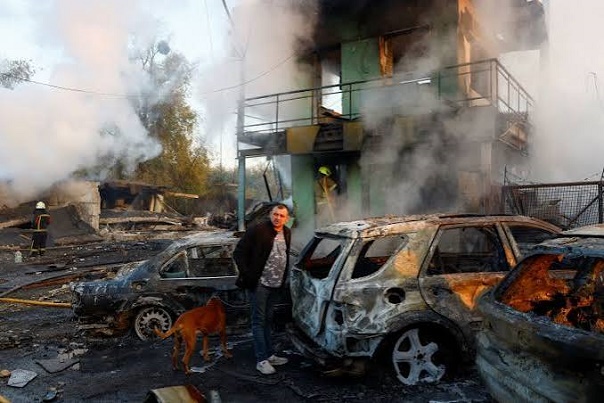
The decision was confirmed on Monday, with Donald Trump blaming Tehran’s refusal to abandon its nuclear ambitions for the breakdown in negotiations. The talks, held in Islamabad, had raised hopes of ending a conflict that has claimed thousands of lives and disrupted the global economy since late February.
According to the US Central Command, the blockade will target vessels entering or leaving Iranian ports along the Arabian Gulf and Gulf of Oman, while allowing transit through the Strait of Hormuz to non-Iranian destinations.
Trump had earlier signalled a broader move to restrict all maritime traffic through the strategic waterway but later clarified that the operation would focus specifically on Iranian ports. He said the objective was to ensure the free flow of shipping while preventing Iran from exerting control over the route.
Iranian authorities swiftly rejected the move, with senior officials warning they would not yield to what they described as US threats. The country’s Revolutionary Guards said they maintained control over traffic in the Strait of Hormuz and cautioned against any escalation.
The collapse of the talks has heightened concerns over a resurgence of hostilities, with analysts warning that a maritime blockade could effectively signal a continuation of the war despite a fragile ceasefire reached days earlier.
Global oil markets reacted sharply to the developments, with benchmark crude prices surging by around eight percent, pushing both Brent and WTI contracts above $100 per barrel.
Efforts by Pakistan to mediate between the two sides remain ongoing, with officials urging all parties to uphold the ceasefire and return to dialogue. However, tensions persist across the region, including in Lebanon, where clashes involving Iran-backed groups and Israeli forces continue to threaten broader stability.