


By Ayomide Otitoju
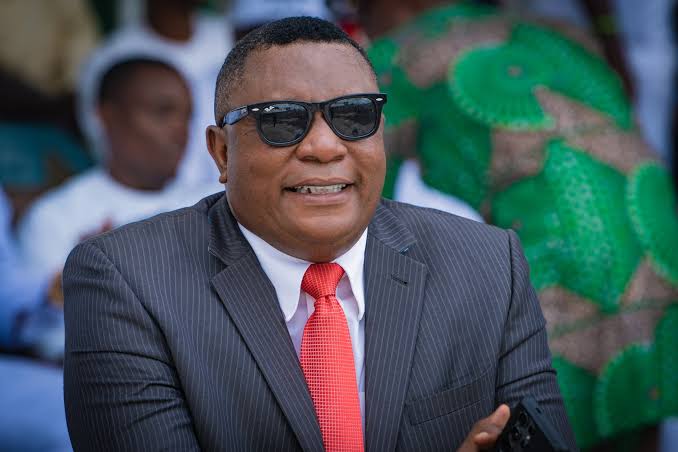
Nigeria’s Minister of Finance and Coordinating Minister of the Economy, Wale Edun, has warned that the country’s economy is experiencing a significant shock amid the global fallout from the ongoing Middle East crisis.
In a statement issued on Monday by his Special Adviser on Media and Communications, Dr. Ogho Okiti, Edun said the shock comes at a critical time when Nigeria is implementing economic reforms aimed at strengthening its foundations and lifting millions out of poverty.
The warning coincides with the commencement of the 2026 Spring Meetings of the International Monetary Fund (IMF) and World Bank in Washington, where over 1,000 delegates from 190 countries are expected to convene under the theme “Anchoring Stability and Promoting Balanced Growth.”
Ahead of the meetings, IMF Managing Director Kristalina Georgieva indicated that up to $50 billion in emergency financing may be required for countries facing balance-of-payments shocks, while also warning of a likely downgrade in global growth projections due to the economic impact of the conflict.
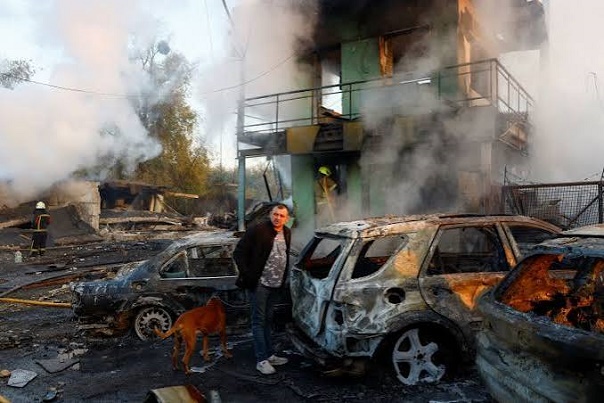
The crisis, triggered by escalating tensions involving the United States, Israel, and Iran, has disrupted global energy markets and heightened inflationary pressures. The situation intensified after US President Donald Trump ordered a naval blockade in the Strait of Hormuz following failed peace talks.
Edun noted that the external shock has compounded domestic challenges, including rising fuel and food prices, placing additional strain on households and businesses. He identified key transmission channels affecting Nigeria, including volatility in global energy markets, shifts in international capital flows, and disruptions to global shipping and supply chains.
According to the minister, crude oil prices have risen sharply, with Nigeria’s Bonny Light crude increasing from about $70–$73 per barrel to over $110, while petrol and diesel prices have surged significantly in the domestic market.
Despite these pressures, Edun maintained that Nigeria is better positioned to withstand the shock due to ongoing macroeconomic reforms introduced since May 2023. He highlighted measures such as improved oil production, currently at about 1.86 million barrels per day, the Naira-for-crude policy to support domestic refining, and the liberalisation of the foreign exchange market.
He also pointed to Nigeria’s recent reclassification as a Frontier Market by FTSE Russell, effective September 2026, as a sign of improving investor confidence.
Edun reaffirmed the government’s commitment to maintaining macroeconomic stability, attracting investment, and driving inclusive growth, noting that the country’s economic strategy will focus on scaling private investment, strengthening domestic capital markets, and leveraging regional trade opportunities under the African Continental Free Trade Area (AfCFTA).
While acknowledging that Nigeria is not insulated from global shocks, the minister emphasised that ongoing reforms have strengthened the country’s resilience to navigate the current economic challenges.