



Iran’s Supreme Leader, Ayatollah Mojtaba Khamenei, has said he approved a US-brokered agreement to end the Middle East conflict despite reservations, as Washington lifted a blockade on Iranian ports and both sides prepared for 60 days of negotiations on broader issues, including Iran’s nuclear programme.
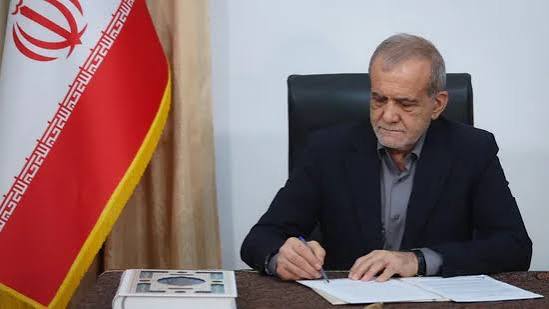
The deal, signed by US President Donald Trump and Iranian President Masoud Pezeshkian, has triggered cautious diplomatic activity, though uncertainty remains over the next phase, including whether planned talks in Switzerland will proceed as scheduled.
In a written statement, Mojtaba Khamenei said he backed the agreement “due to the commitment” of Iranian officials to safeguard national interests, despite holding a “different view”. He added that future face-to-face talks with the United States do not imply acceptance of Washington’s position.
The agreement follows a period of heightened tensions that saw disruptions in the strategic Strait of Hormuz, a critical route for global energy shipments. US forces confirmed they had lifted a naval blockade of Iranian ports, while maintaining a military presence in the region.
Market reactions were immediate, with oil prices falling after the announcement. Maritime tracking data indicated limited but returning activity through the strait, including the passage of several commercial vessels.
Iranian state media reported that a new supervisory body would regulate shipping through the waterway during the transitional period, with no transit fees imposed for 60 days under the terms of the deal.
US Vice President JD Vance said technical negotiations with Iran were expected to take place in Switzerland over the weekend, though he acknowledged the schedule could change. Iranian officials, however, said no final confirmation had been given.
French President Emmanuel Macron, who hosted the signing ceremony at the Palace of Versailles, said he did not believe the conflict was fully over despite the agreement.
Under the deal, Washington is expected to immediately waive oil-related sanctions on Iran, with further provisions tied to progress on nuclear negotiations, including the potential establishment of a reconstruction fund supported by regional partners.
The agreement has drawn mixed reactions internationally. US Senator Bill Cassidy criticised the deal, calling it a “foreign policy blunder”, while within Iran, parliamentary speaker Mohammad Bagher Ghalibaf described it as a strategic setback for the United States.
Hardline critics in Tehran also voiced scepticism, while others, including President Pezeshkian, described the agreement as “historic”.
Analysts say the accord represents a fragile step toward de-escalation, though significant uncertainties remain over implementation and the durability of the ceasefire framework.


