








By Ayomide Otitoju
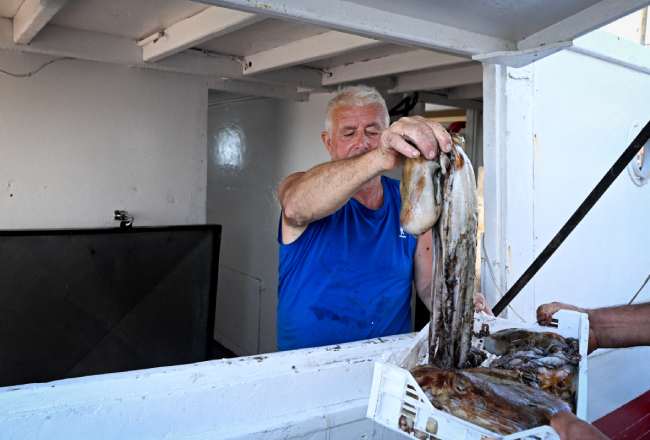
Fishermen on the Italian island of Lampedusa are facing mounting challenges as migrant boat wrecks, rising fuel costs and climate change continue to threaten their livelihoods and the local fishing industry.
Located closer to North Africa than mainland Italy, Lampedusa has long served as a major arrival point for migrants attempting the dangerous Mediterranean crossing to Europe. Sunken and abandoned migrant boats now litter the seabed, damaging fishing equipment and increasing operating risks for local fishermen.
Fishermen say submerged vessels frequently snag fishing nets and pose hazards to boats operating in the area, resulting in costly repairs and disrupted fishing activities.
According to Salvatore Martello, head of Lampedusa’s fishing cooperative, the island’s fishing fleet has declined by about 50 per cent since the early 2000s as many younger residents have abandoned traditional fishing for tourism-related businesses.
Despite the shift, Martello said fishing remains central to the island’s identity and tourism industry, noting that visitors are drawn to Lampedusa for its fresh seafood.
Veteran fisherman Pietro Riso said migrant boats have repeatedly collided with fishing vessels, causing significant damage. He recalled a recent incident in which a migrant boat struck his family’s vessel, causing thousands of euros in repairs and nearly sinking the boat.
Riso said such incidents occur between seven and 10 times each year, adding that rising fuel prices have further increased the financial burden on fishermen.
Local fishermen also accused competitors from Tunisia, Algeria and Egypt of illegally fishing in Italian waters, while claiming some restaurants on the island serve imported frozen fish instead of locally caught seafood.
Climate change has compounded the challenges, with rising Mediterranean Sea temperatures forcing fishermen to travel farther offshore to catch traditional species such as red mullet, squid and shrimp.
Scientists say the Mediterranean is among the fastest-warming seas in the world, with prolonged marine heatwaves disrupting fish habitats, reproduction and migration patterns.
Giulia Bonino, a research scientist at the Euro-Mediterranean Center on Climate Change (CMCC), said extreme water temperatures are pushing many marine species beyond their thermal limits, affecting fisheries and aquaculture across the region.
Martello said warming waters have altered fish breeding cycles, making existing fishing regulations less effective. He called on Italian and European Union authorities to update fisheries policies to reflect the changing climate and protect the long-term sustainability of the sector.
The challenges facing Lampedusa’s fishermen underscore the growing impact of climate change and migration pressures on coastal communities that depend on fishing for their livelihoods.