
By Ayomide Otitoju
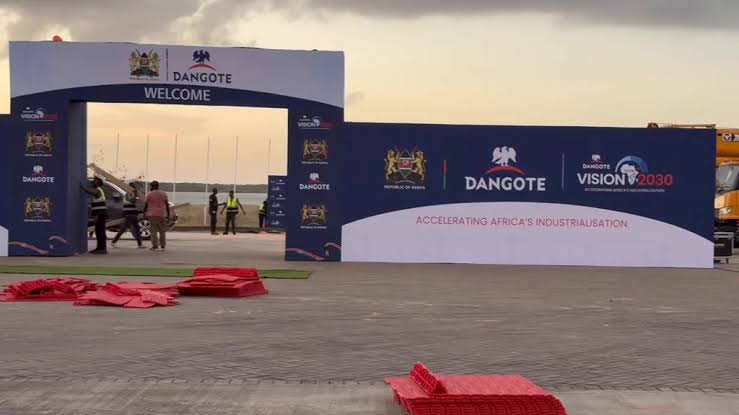
The groundbreaking ceremony for the proposed Dangote East Africa Petroleum Refinery and Petrochemicals Special Economic Zone is scheduled to hold on Wednesday in Mokowe, Lamu County, Kenya.
The refinery, estimated to cost about $16 billion, is planned to have a processing capacity of 700,000 barrels of crude oil per day and is targeted for completion by 2030.
The facility is expected to process crude from Kenya’s Turkana oilfields and supplies from other African countries, with the aim of reducing East Africa’s reliance on imported refined petroleum products.
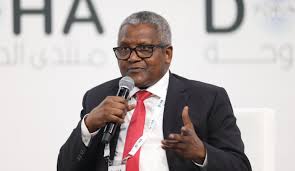
Speaking to reporters in Nairobi on Tuesday, Nigerian industrialist Aliko Dangote said the project formed part of efforts to increase value addition to Africa’s natural resources.
“By 2030, the majority of African countries will be self-sufficient. It does not matter where it is refined, but it should be in the African continent, on the soil of Africa,” Dangote said.
He also dismissed concerns over opposition to the project, including a land rights case and objections from environmental groups over its potential impact.
“There’s actually no problem with these sort of cases,” Dangote said. “There are people who don’t want the development of Africa.”
Dangote, who said his group had invested more than $25 billion in existing businesses, also disclosed plans to invest an additional $50 billion across Africa.
Speaking during a fireside chat with Nairobi Securities Exchange Chief Executive Officer, Frank Mwiti, at an investor engagement on the planned Dangote Petroleum Refinery public offer, he said large-scale investment was necessary for Africa to compete globally.
“We want to create and generate wealth for Africans, to make sure that we defend our markets. And the only way to defend the market is not to do baby steps. It’s better we do big scale,” he said.
Kenyan President William Ruto’s Chief Economic Adviser, David Ndii, said the Lamu project emerged from discussions among African policymakers, financiers and business leaders on using the continent’s natural resources for industrialisation.
Ndii said those discussions identified petroleum refining as a strategic opportunity for East Africa and led to engagements involving Dangote, Ruto, Ugandan President Yoweri Museveni and other regional leaders.
He said a meeting in April assessed the East African market for refined petroleum products at about 20 million metric tonnes annually, with potential to rise to 30 million tonnes.
Ndii said the project was also intended to address a longstanding economic pattern in which African countries export raw materials and import finished products.
Dangote Plans Wider Public Ownership
Dangote said the planned public offer for Dangote Petroleum Refinery was aimed not primarily at raising capital but at increasing public participation in ownership of the group’s businesses.
“It’s not because we need the money. No. It’s because we want to share this prosperity with everybody,” he said.
He said the group would progressively release more equity in its businesses as investor demand increased.
Dangote also said the group’s other businesses, including a planned shipping venture and its fertiliser operations, would eventually be opened to public ownership through the capital markets.
He said the group wanted to create millions of African shareholders who could benefit from dividends and potential capital appreciation.
Dangote added that if the Lamu refinery eventually became publicly listed, he would prefer it to be listed in Kenya rather than Nigeria.
“If tomorrow we are going to have the refinery here in Lamu to be listed, we don’t have to list it in Nigeria. We shouldn’t list it in Nigeria. We should list it here,” he said.