





By Ayomide Otitoju
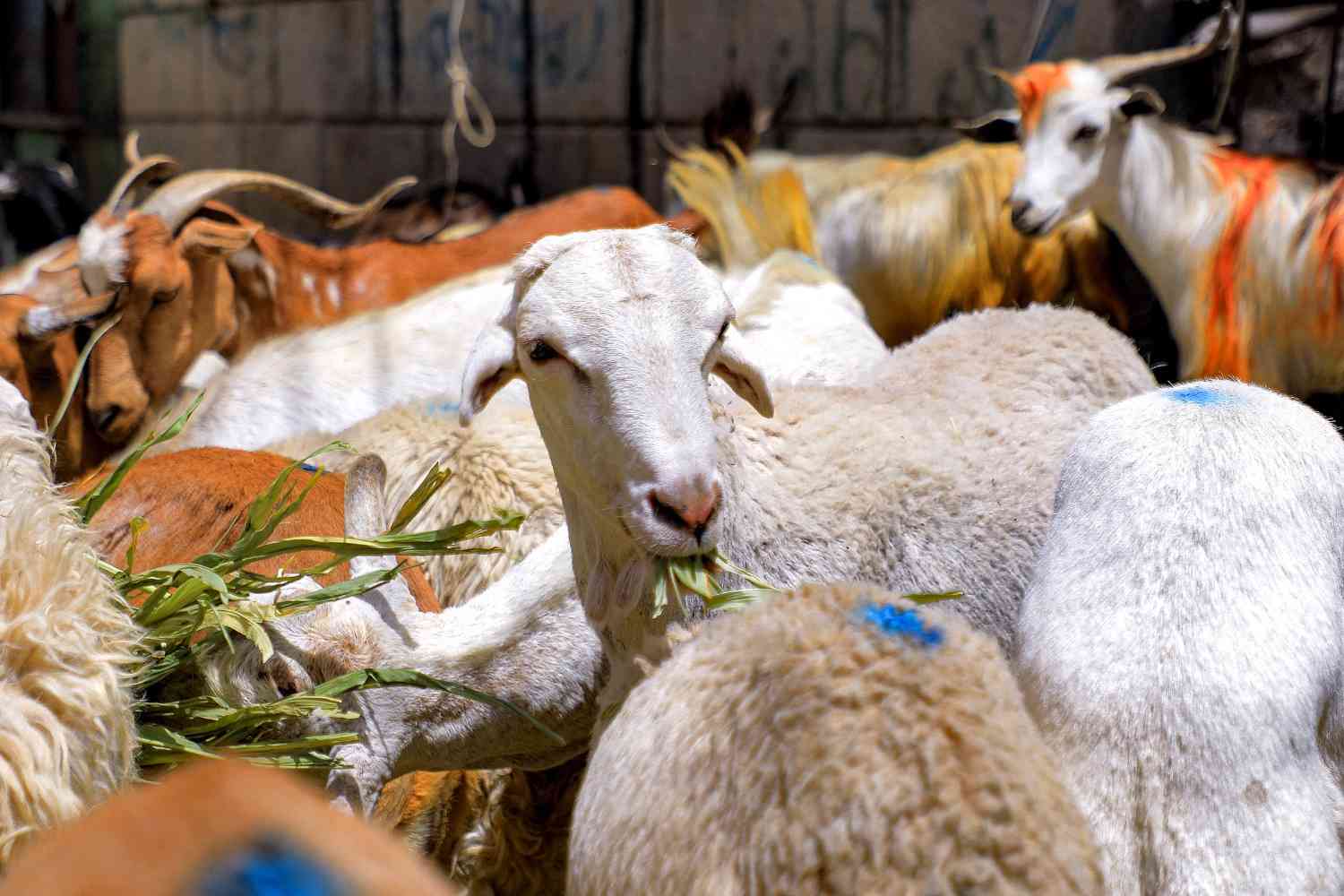
Eid al-Adha buyers in Abidjan are grappling with rising sheep prices and limited supply as shortages tighten across Ivory Coast’s key livestock markets ahead of the Muslim festival.
Shoppers were seen navigating muddy pens at the Adjame livestock market, bargaining for the best-priced rams amid sharp price increases compared to previous years.
The country, which relies heavily on imports to meet Eid demand, sources about 75% of its sheep and cattle for Tabaski — the West African name for Eid al-Adha — from neighbouring Sahel states such as Burkina Faso and Mali.
However, supply has been severely disrupted this year after Burkina Faso suspended livestock exports to protect its domestic market, following a similar move by Niger. In Mali, insecurity and road blockages linked to armed groups have further constrained cross-border trade.
Traders say the situation has left animals stranded at border points and storage hubs, with some attempting to move livestock through unofficial routes despite tighter enforcement.
“I have 300 head of cattle at the Burkina border. It’s impossible to bring them into Ivory Coast,” said trader Assimi Barry, who has operated in the market for decades.
Another trader, Ibrahim Sow, said hundreds of animals remain stuck in Mali despite being paid for. “About half of last year’s supply has made it through,” he noted.
With fewer animals reaching markets, prices have surged, forcing intense bargaining between buyers and sellers.
“I’m offering 250,000 CFA francs ($440). Otherwise, I’ll look elsewhere,” said buyer Lagazane Ouattara, who eventually purchased a ram for 320,000 CFA francs after prolonged negotiation.
Sellers, however, blame the shortage for the price increases, with some rams now selling for up to 500,000 CFA francs.
For many residents, the cost is increasingly out of reach in a country where the minimum monthly wage stands at 75,000 CFA francs ($131).
Despite government assurances that more animals are entering the market and efforts to boost local production, buyers say imported livestock remains preferred due to its larger size and higher quality for the religious celebration.