







By Ayomide Otitoju
Afreximbank has underscored the pivotal role of factoring and supply chain finance (SCF) in narrowing Africa’s vast Small and Medium Enterprises (SMEs) financing gap and strengthening value chains across the continent.
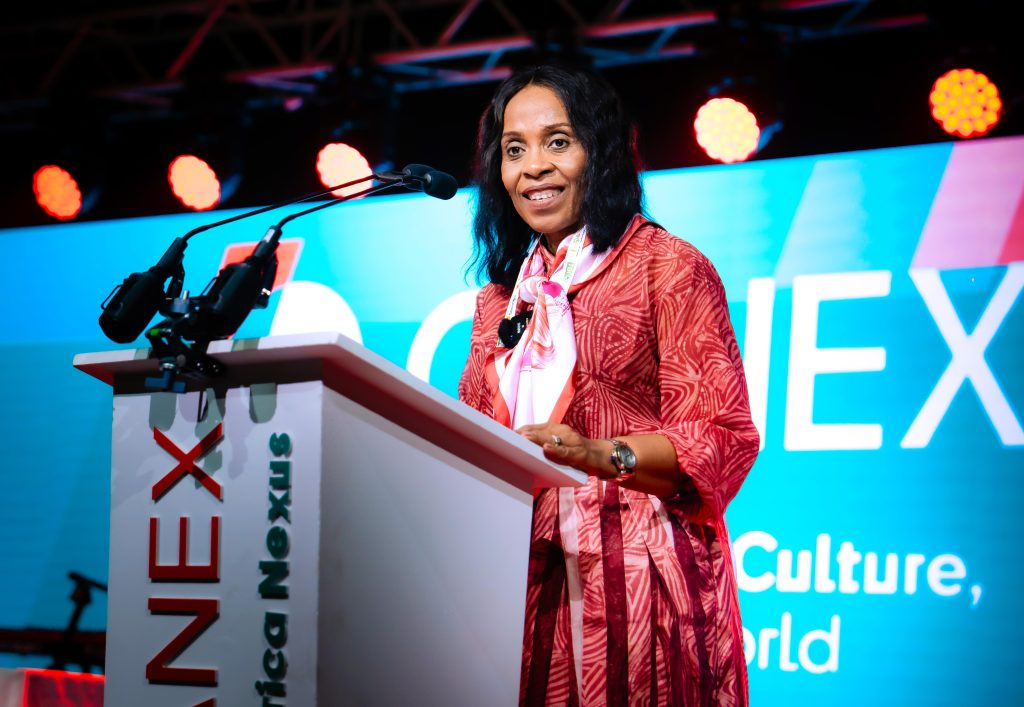
Speaking at Afreximbank’s annual Factoring Workshop in Abidjan, Côte d’Ivoire, Mrs. Kanayo Awani, Executive Vice President for Intra-African Trade and Export Development and a member of the FCI Executive Committee, noted that Africa’s factoring volumes have more than doubled—from €21.6 billion in 2017 to €50 billion in 2024. The continent now hosts nearly 200 factoring companies.
However, she stressed that activity remains far below Africa’s potential.
“SMEs represent over 90% of Africa’s businesses and contribute more than 60% of employment and GDP, yet they still face an annual financing gap of about US$300 billion,” Awani said. “To unlock SME-led growth, Africa must scale factoring volumes to at least €240 billion—around 10% of the continent’s GDP. This requires stronger financing, robust legal reforms, expanded training and strengthened industry partnerships.”
FCI Secretary General Mr. Neal Harm also emphasised that factoring and SCF are central to driving SME expansion, urging stakeholders to convert workshop insights into practical transactions through collaboration and innovation.
Representing Dr. Jean-Claude Kassi Brou, Governor of the Central Bank of West African States (BCEAO), Special Advisor Mr. Charlie Dingui highlighted the importance of improving SME access to finance across UEMOA countries.
“Factoring provides immediate liquidity by converting receivables into cash, supporting growth in environments burdened by long payment delays and recovery challenges,” he said.
Côte d’Ivoire, he noted, has significant potential to develop a stronger factoring market. The country’s factoring and SCF sector is valued at about US$5 billion, offering major opportunities in an economy where the cocoa value chain alone sustains millions. Yet only 12% of Ivorian SMEs access working capital from formal financial institutions, with most relying on informal lenders due to high borrowing costs, strict collateral requirements and slow loan processing.
The annual workshop reflects Afreximbank and FCI’s sustained commitment to deepening knowledge and expanding adoption of factoring and supply chain finance—tools seen as critical to advancing the African Continental Free Trade Area (AfCFTA).
So far, more than 5,000 participants have been trained under over 25 capacity-building programmes, including the Certificate of Trade Finance in Africa (COTFIA), Afreximbank Academy (AFRACAD), FCI online and tailor-made courses, and the FCI Mentoring Programme.


