


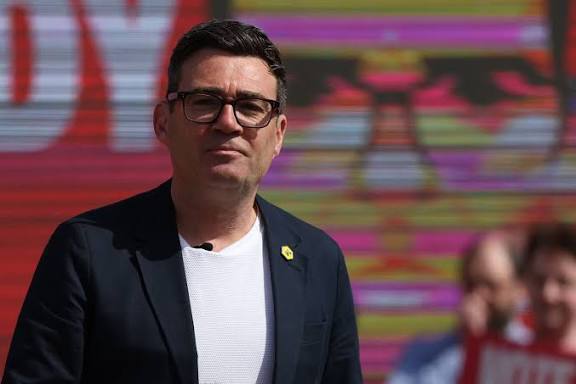
Andy Burnham has become the new leader of the UK Labour Party after securing overwhelming backing from Labour MPs, positioning himself to lead the party into the next general election expected in 2029.
Burnham was elected unopposed after no rival secured the required nominations to challenge him. His victory comes on his third attempt, following unsuccessful leadership bids in 2010 and 2015.
Labour MPs believe Burnham is better placed to counter Nigel Farage’s anti-immigration Reform UK party, which opinion polls suggest could pose a major challenge at the next general election.
In his first address as leader, Burnham outlined plans to devolve greater powers to cities and regions, including establishing a “Number 10 North” office to strengthen regional governance. A member of Labour’s soft-left faction, he also pledged greater public control of essential services such as water, increased reindustrialisation, expanded public housing construction, and more investment in social care.
“If we want an economy and a country that works for all people and places, then it requires a new path to the one we’ve been on for the last 40 years,” Burnham said.
A former Labour MP from 2001 to 2017, Burnham served in the governments of former Prime Ministers Tony Blair and Gordon Brown before becoming Mayor of Greater Manchester. He has since built a reputation as a popular political figure, combining a relaxed public image with an active social media presence.
Many Labour lawmakers view Burnham as a stronger communicator than his predecessor, Sir Keir Starmer, and expect him to pursue more ambitious reforms of Britain’s public services.
“It feels like a fresh start. There’s reason to be hopeful,” Labour MP Richard Baker told AFP following Burnham’s leadership speech.
Burnham succeeds Starmer, who led Labour back to power in July 2024 after 14 years in opposition with a landslide election victory over the Conservatives. However, Starmer’s government later faced criticism over a series of domestic policy setbacks and controversies, while disappointing local and regional election results in May intensified pressure on his leadership.
Burnham’s successful parliamentary by-election victory on June 18 paved the way for his leadership bid. He ultimately secured the support of 379 out of Labour’s 403 MPs.
Despite his strong mandate, Burnham faces significant challenges, including sluggish economic growth, high government borrowing costs, rising welfare spending, continued irregular migrant crossings, volatile global energy prices linked to tensions involving the United States and Iran, and uncertainty surrounding U.S. President Donald Trump’s administration.
Burnham has ruled out increases to the country’s main taxes but must identify funding to close a £4.7 billion ($6.3 billion) gap in Britain’s four-year defence investment programme.
Political analyst Tony Travers said Burnham would need to move quickly to translate his broad vision into clear policy proposals.
“Most of what’s been said by Burnham and his supporters so far has been pretty vague,” Travers told AFP.
“He’s going to have to come out with a visible plan and policies people understand pretty quickly, or he risks losing momentum,” he added.