







By Dr. Isah Abu and Ayomide Otitoju
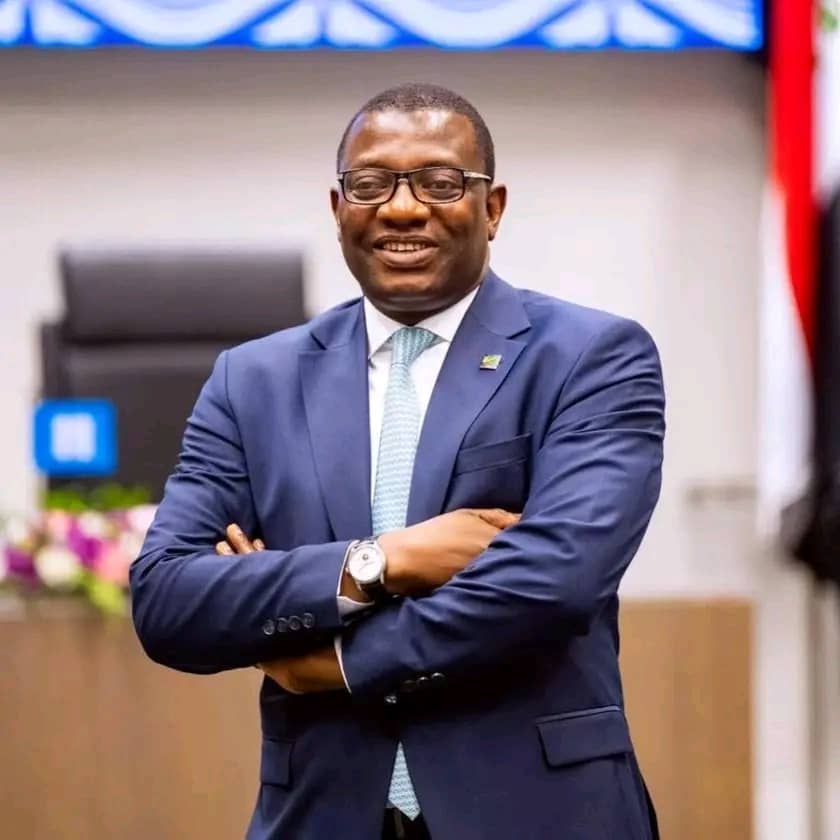
Fresh efforts to link former Chief Investment Officer of the NNPC Upstream Investment Management Services (NUIMS), Dr. Bala Wunti, to the ongoing “₦210 trillion Senate probe” controversy have sparked renewed debate over the spread of misinformation in Nigeria’s political space.
The allegations, circulating across some media and political platforms, suggest involvement by Wunti in alleged financial discrepancies. However, there is no publicly available Senate report, anti-corruption agency statement, or court ruling indicting or formally implicating him in any such matter.
Observers note that the figure at the centre of the controversy has largely been interpreted within the context of complex oil and gas sector accounting structures, including joint venture obligations and upstream financing arrangements, rather than direct accusations of theft or misappropriation against individuals.
Critics of the ongoing narrative argue that the repeated association of prominent figures with unverified claims reflects a growing trend of politically motivated misinformation, where sensational allegations are amplified without supporting evidence.
Dr. Wunti, who spent nearly 35 years in the Nigerian oil and gas industry and retired in 2025 as NNPC’s Chief Group Corporate Health, Safety and Environment (HSE) Officer, is widely known within sector circles for his work in operational reforms and upstream efficiency improvements.
While emphasizing that public officials are subject to accountability, commentators stress that such scrutiny must be rooted in verified findings rather than speculative or politically driven narratives.
Analysts warn that the increasing reliance on unverified claims in public discourse risks undermining trust in legitimate investigative and anti-corruption processes, while also damaging reputations without due process.
They further caution that replacing evidence-based reporting with rumor-driven narratives could weaken democratic accountability and distort public understanding of complex financial and governance issues.
Dr. Isah Abu, an Abuja-based public affairs commentator, who authored the piece, urged a return to fact-based discourse, noting that no credible evidence currently supports the allegations being circulated against Wunti.


