








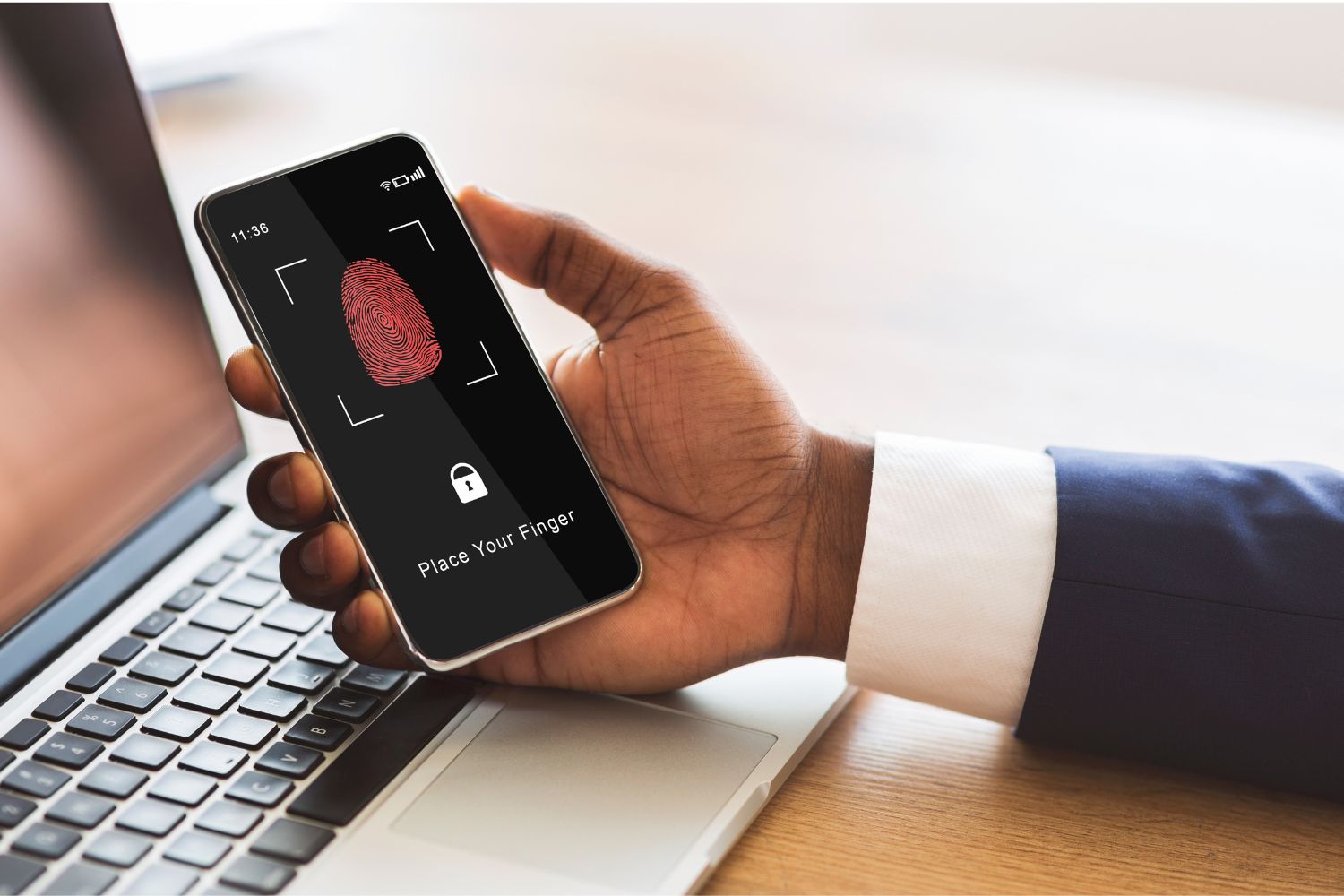
Fingerprints, facial recognition, and access keys are increasingly replacing traditional passwords as tech companies seek more secure login methods — though public reluctance remains a barrier.
“The password era is ending,” two senior Microsoft executives wrote in a July blog post. The company has been developing alternative sign-in systems for years and, since May, has made them the default for new users.
Other online platforms, including OpenAI’s ChatGPT, now require multi-step authentication such as numerical codes sent to verified email addresses before granting access to sensitive data.
“Passwords are often weak and people re-use them across different services,” said Benoit Grunemwald, a cybersecurity expert at Eset. He warned that sophisticated hackers can crack passwords of eight characters or fewer within seconds, and stolen credentials are frequently exposed in data breaches.
In June, researchers from Cybernews uncovered a database containing around 16 billion login credentials compiled from hacked files.
This vulnerability has driven industry heavyweights — including Google, Microsoft, Apple, Amazon, and TikTok — to collaborate through the Fast Identity Online Alliance (FIDO) on promoting password-free authentication. A key focus is the adoption of “passkeys,” which use a smartphone or other device to authorise logins via a PIN code or biometric data, eliminating the need to enter a password.
“With passkeys, you cannot accidentally give your passkey to a phishing site,” said Troy Hunt, the Australian cybersecurity expert behind the breach-checking site Have I Been Pwned. However, he cautioned that similar predictions about the death of passwords have been made before, yet “we have more passwords now than we ever did before.”
While large platforms are enhancing login security, many websites still rely solely on usernames and passwords. Switching to passkeys can also challenge users, as they must be set up in advance and are more complex to restore if a device is lost or a PIN forgotten.
“The thing that passwords have going for them… is that everybody knows how to use them,” Hunt said.
Grunemwald stressed that as reliance on devices grows, users will need to safeguard them carefully. “People will have to take good care of security on their smartphones and devices, because they’ll be the things most targeted in future,” he warned.