






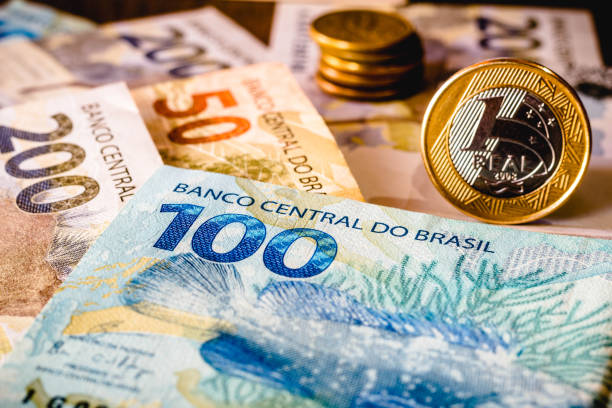
Brazil’s central bank has raised its key interest rate by one percentage point to 14.25%, the highest level in nine years, in an effort to curb rising inflation.
The hike marks the fifth consecutive increase, despite President Luiz Inácio Lula da Silva’s repeated calls for lower rates to boost economic growth. The bank’s Monetary Policy Committee cited external economic pressures, domestic inflation, and signs of slowing growth as reasons for its decision.
The committee also hinted at another potential rate increase in May if inflationary pressures persist. Brazil’s inflation rate reached 5.0% in February 2025, exceeding government targets.
In response, Lula’s administration has removed import tariffs on essential goods such as meat, coffee, sugar, oil, and corn to ease the burden on consumers. Despite economic challenges, Brazil recorded a 3.4% GDP growth in 2024 and maintains a low unemployment rate of 6.5%.


