






BynAyomide Otitoju
The Central Bank of Nigeria (CBN) has projected that the country’s external reserves will rise to $51.04 billion in 2026, up from $45 billion in 2025, according to its Macroeconomic Outlook for Nigeria, 2026, titled “Consolidating Macroeconomic Stability Amid Global Uncertainty”, published on Tuesday.
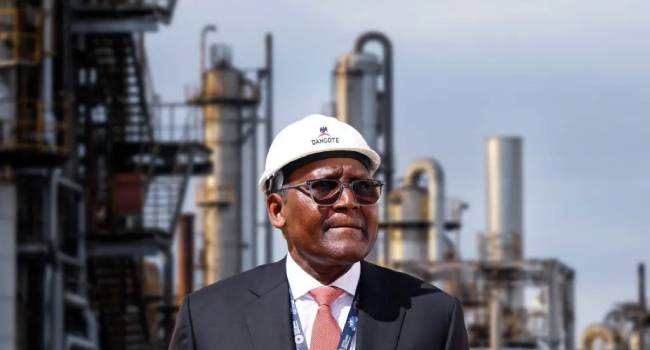
The apex bank attributed the anticipated increase in reserves to reduced pressure in the foreign exchange (FX) market, driven by higher oil earnings, sovereign bond issuance, and diaspora remittances. The report also cited the expansion of Dangote Refinery’s capacity—from 650,000 barrels per day (bpd) in 2025 to 700,000 bpd in 2026 and 1.4 million bpd in the medium term—as a supporting factor.
As of December 29, 2025, Nigeria’s external reserves stood at $45.45 billion. The CBN said ongoing FX reforms are expected to improve efficiency, enhance transparency, narrow the premium between official and parallel market rates, and sustain exchange rate stability. Improved domestic refining capacity is also projected to reduce foreign exchange demand for fuel imports.
The report painted a “cautiously optimistic” outlook for 2026, predicting moderate economic growth, continued inflation moderation, and a stable FX market. Non-oil sector activity is expected to improve, although structural constraints persist.
The bank noted that monetary policy was eased in September 2025 following a period of tightening, citing disinflation, sustained exchange rate stability, and improved liquidity conditions. External buffers were strengthened during the year due to rising remittances, steady oil receipts, and increasing non-oil exports.
The CBN highlighted substantial progress in its transition to an inflation-targeting framework, improved macroeconomic coordination, and ongoing banking sector recapitalisation. These measures, it said, are expected to underpin a more stable and resilient economy in 2026.
Headline inflation is projected to decline to 12.94% in 2026, from an estimated 21.26% in 2025, and further to 10.75% in 2027. The CBN expects the moderation to be supported by falling food and fuel prices, improved agricultural output, enhanced security in food-producing regions, and favourable weather conditions.
Monetary policy in 2026 will remain flexible, with instruments such as the Monetary Policy Rate and Cash Reserve Ratio adjusted to balance price stability with growth objectives. The bank said its policies would continue to support financial stability and confidence in the economy.
The CBN flagged a broadly positive fiscal outlook, supported by rising domestic crude production and the phased implementation of the Nigeria Tax Act, 2025. However, risks include potential declines in global oil prices, reduced production, elevated debt service obligations, and pre-election spending pressures.
In the financial sector, the bank expressed concern over rising non-performing loans (NPLs), warning that worsening asset quality could weaken banks’ balance sheets, impair credit availability, and amplify systemic risks. Despite gains in capital adequacy and liquidity ratios, the CBN emphasised the need for vigilance to maintain sector stability.
Deputy Governor for Economic Policy, Muhammad Sani Abdullahi, reaffirmed the bank’s commitment to price stability, sustainable development, and macroeconomic resilience, noting that CBN policies would continue to be data-driven and timely.
The outlook underscores the importance of harmonised fiscal and monetary policies, institutional reforms, and ongoing foreign exchange and monetary market interventions to sustain investor confidence and economic momentum.