






By Ayomide Otitoju
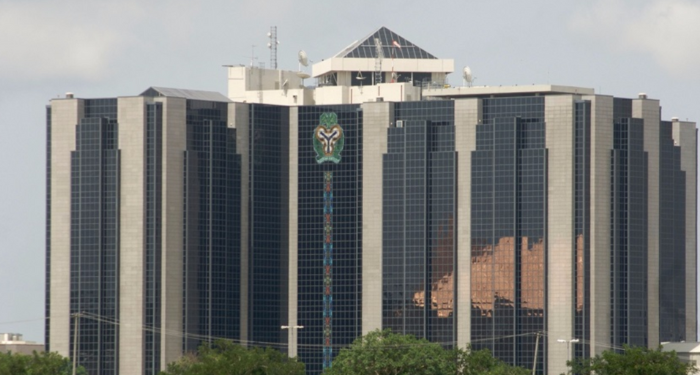
The Central Bank of Nigeria (CBN) recorded its strongest demand for Nigerian Treasury Bills (NTBills) since December 2024 at the Primary Market Auction (PMA) held on Wednesday, with total subscriptions reaching ₦3.44 trillion.
At the auction, the apex bank offered ₦1.15 trillion across three maturities: ₦150 billion for the 91-day bill, ₦200 billion for the 182-day tenor, and ₦800 billion for the 364-day bill. Investor appetite was strongest for the one-year instrument, which attracted demand nearly four times the amount on offer.
Despite the robust interest, the CBN sold ₦1.06 trillion across the three tenors. The last time demand reached similar levels was on December 4, 2024, when subscriptions exceeded ₦5 trillion amid high inflation and elevated interest rates.
Yields rose on short-term instruments, while the 364-day bill recorded a slight moderation but remained elevated. The 91-day bill cleared at a yield of 16.50 per cent, while the 182-day yield increased to 18.17 per cent from 17.99 per cent at the previous auction. The 364-day yield eased to 22.49 per cent from 22.65 per cent.
Market analysts attributed the sustained high yields to aggressive government borrowing and the CBN’s tight monetary policy stance. Nigeria’s 2026 fiscal year projects a deficit of ₦23.85 trillion, with the Federal Government increasingly reliant on domestic borrowing as global capital markets remain costly for emerging economies. The first-quarter 2026 issuance calendar alone targets ₦7.55 trillion in domestic borrowing.
Beyond fiscal pressures, the CBN is maintaining elevated yields to curb inflation, absorb excess liquidity, and attract foreign portfolio investment, thereby supporting the naira.
The development coincides with renewed calls at the World Economic Forum in Davos for Nigeria to court global investors. WTO Director-General Dr Ngozi Okonjo-Iweala urged Nigeria to aggressively target global supply chain relocations to boost manufacturing and job creation, while Foreign Affairs Minister Yusuf Tuggar said Nigeria’s security challenges were often overstated and should not deter investors.


