

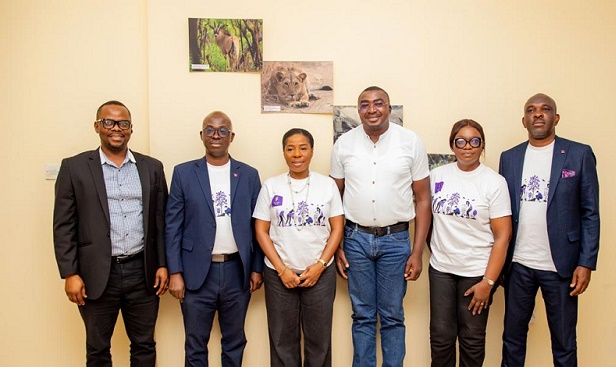







The Coalition of Northern Groups (CNG) has raised concerns over the dire economic and security challenges facing northern Nigeria, stating that many in the region can no longer afford even a single meal per day. This was disclosed during a one-day community engagement held in Katsina, chaired by Professor Sani Abubakar Lugga, the fifth Wazirin Katsina.
With the theme “Imperative of Popular Participation in Tackling Socioeconomic Challenges Bedeviling Nigeria Through Community Solutions,” the CNG event emphasized the urgent need for collective action to address insecurity and economic hardship.
Speaking to reporters, CNG National Coordinator Jamilu Aliyu Charanchi described the situation as dire, with insecurity rampant across the North. He highlighted the failure of both leaders and citizens to address the challenges adequately. “People can no longer afford three square meals. In fact, many cannot afford a single meal,” he lamented.
Charanchi called for a shift away from mere complaints, urging communities to take action. “The time for lamentation is over. We must all contribute to alleviating insecurity and economic hardship in our communities,” he said, stressing that leaders alone cannot solve the problems.
He also criticized the country’s leadership, pointing to widespread corruption and lack of accountability in governance. “We don’t have leaders in this country, only politicians who care about securing the next election, not the next generation,” Charanchi added. He called for grassroots efforts, saying, “The community is the government, and we must act to change our situation.”
Katsina State Governor Dikko Radda, represented by the Commissioner for Information and Culture, Bala Zango, commended the CNG for organizing the event. He outlined the state’s efforts in combating insecurity and urged youth to avoid violent protests. Referring to recent nationwide Hunger/End Bad Governance protests, Zango advised, “Rather than resorting to protests, let us choose dialogue as the best solution.”
The engagement highlighted the need for greater community participation in tackling the North’s challenges, calling for unity and proactive efforts from both leaders and citizens.


