


ran on Wednesday pledged to fast-track trials for people arrested during a sweeping wave of nationwide protests, drawing renewed international condemnation as the United States warned of “very strong action” if executions are carried out.
The announcement came amid mounting outrage over a violent crackdown on the demonstrations, which rights groups say may have claimed thousands of lives, posing one of the most serious challenges to Iran’s clerical leadership in decades.
Iranian authorities insist they have restored control after several nights of unrest, repeatedly accusing protesters of committing “acts of terror” similar to those carried out by the Islamic State group.
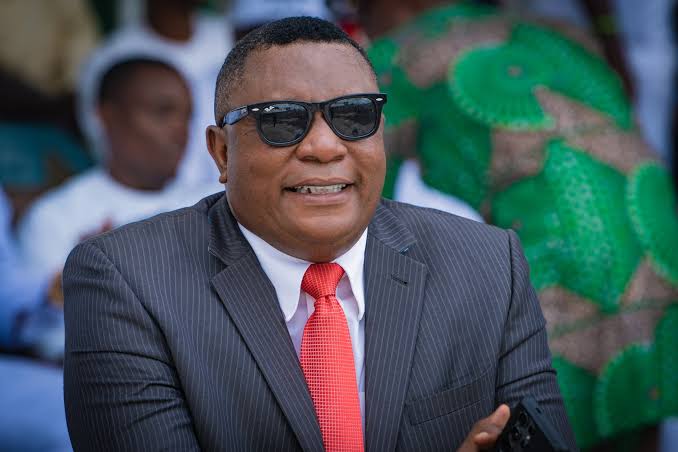
Judiciary chief Gholamhossein Mohseni Ejei, speaking during a visit to a Tehran prison holding protest detainees, said cases involving serious crimes would be handled swiftly. State television quoted him as saying trials should be conducted publicly, adding that he spent several hours reviewing detainees’ cases.
The developments prompted a sharp warning from US President Donald Trump, who said Washington would respond if Iran began executing protesters. In an interview with CBS News, Trump said the United States would take “very strong action” should hangings proceed, reiterating his long-standing threats of possible military intervention.
Iran’s mission to the United Nations rejected the warning, accusing Washington of pursuing a regime-change agenda through sanctions, threats and “engineered unrest.” In a statement posted on X, the mission said the US “playbook” against Iran would “fail again.”
Rights organisations have accused Iranian security forces of using lethal force against demonstrators and obscuring the scale of the crackdown through an internet blackout imposed on January 8. Internet monitoring group Netblocks said on Wednesday that Iran had remained largely offline for more than five days.
Despite the blackout, limited information has emerged, including social media footage verified by AFP showing grieving families at a morgue near Tehran. Prosecutors have said some detainees could face capital charges, including “waging war against God.”
The US State Department, posting on its Farsi-language X account, said a 26-year-old protester, Erfan Soltani, had been sentenced to death, describing him as the first demonstrator to receive such a sentence. Amnesty International called on Iran to immediately halt all executions.
Trump also urged Iranians to continue protesting in a post on his Truth Social platform, saying he had cancelled meetings with Iranian officials until the killings stopped, though he did not specify which talks or what form of assistance might follow.
European governments have also reacted strongly. France, Germany and the United Kingdom, along with the European Union, summoned Iranian ambassadors in protest. European Commission President Ursula von der Leyen described the rising casualty figures as “horrifying” and said further sanctions were being considered.
Norway-based group Iran Human Rights said it had confirmed at least 734 deaths, including minors, but warned the true toll was likely far higher. Iranian state media, meanwhile, reported that dozens of security personnel had been killed, with authorities planning mass funerals in Tehran for those described as “martyrs.”
Accounts from witnesses and activists continue to emerge. An Iraqi computer scientist who recently returned from Tehran described heavy security deployments and police firing rubber bullets at protesters. Reza Pahlavi, the US-based son of Iran’s ousted shah, urged the military to stop suppressing demonstrations.
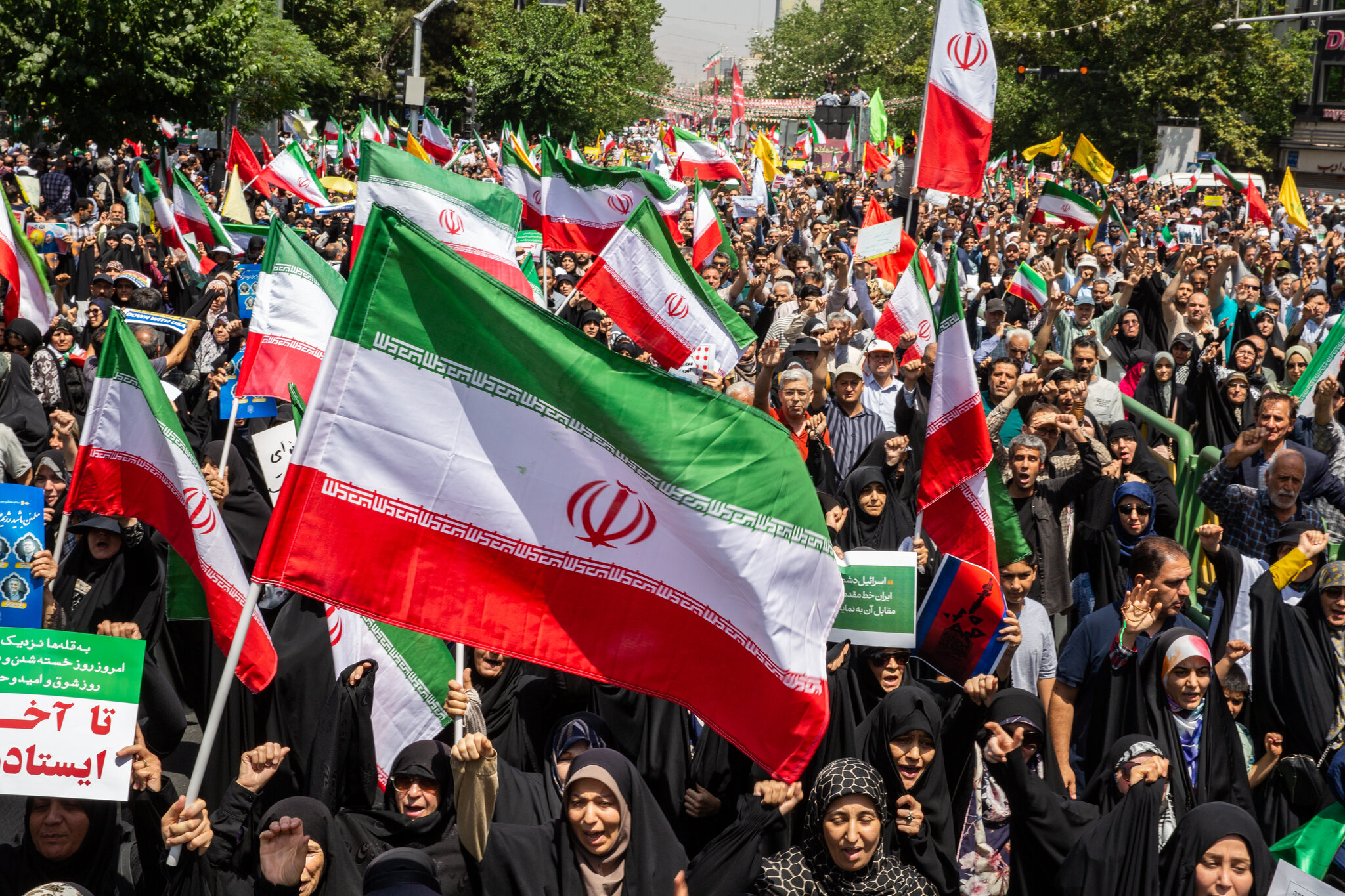
Iran’s leadership has sought to counter the unrest with pro-government rallies, which Supreme Leader Ayatollah Ali Khamenei hailed as evidence that the protest movement had been defeated and as a warning to the United States.
Analysts, however, caution against predicting the imminent collapse of the Islamic Republic. Nicole Grajewski of the Sciences Po Centre for International Studies said the protests represent a serious challenge but noted the resilience of Iran’s powerful security and repression apparatus, including the Revolutionary Guard Corps.


