



By Ayomide Otitoju
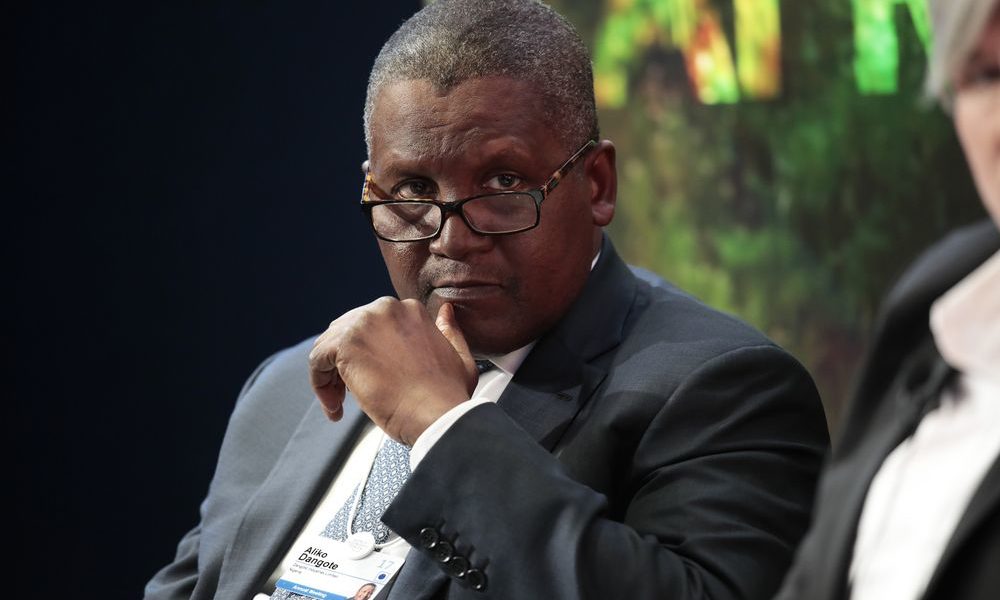
President of Aliko Dangote, the Dangote Group, has announced plans to expand into steel production, electricity generation, and port development, marking a strategic push to accelerate industrialisation across Africa.
Dangote, whose conglomerate already spans cement, sugar, salt, fertiliser, and petrochemicals, said his long-term goal is to deepen Africa’s manufacturing base beyond oil refining and position the continent as a global industrial hub.
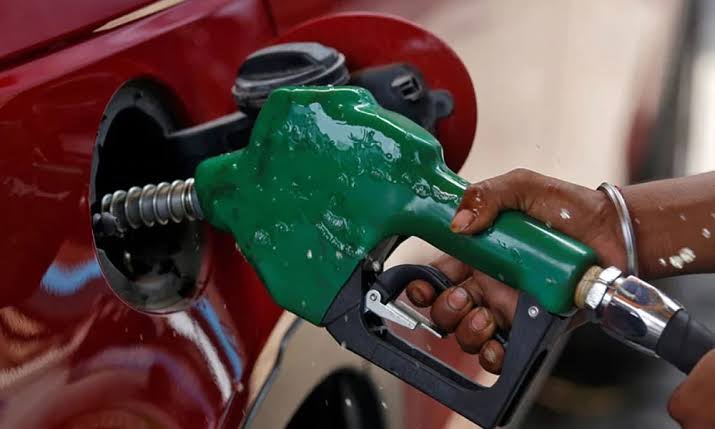
His flagship project, the Dangote Petroleum Refinery & Petrochemicals, is now operational, producing roughly 650,000 barrels of refined products daily, with output expected to double over the next three years as expansion continues.
In a recent interview with The New York Times, Dangote described refining as just one phase of a broader vision. “We have to industrialise Africa,” he said, identifying steel, power, and port infrastructure as the next focal points to support large-scale manufacturing and trade.
Industry analysts note that steel production would place the group in a sector vital for infrastructure, housing, and heavy industry, while investments in power and ports could help overcome Nigeria’s longstanding energy and logistics bottlenecks.
Dangote cited India’s Tata Group as a model for diversified industrial expansion, highlighting the impact of a multi-sector approach on emerging economies.
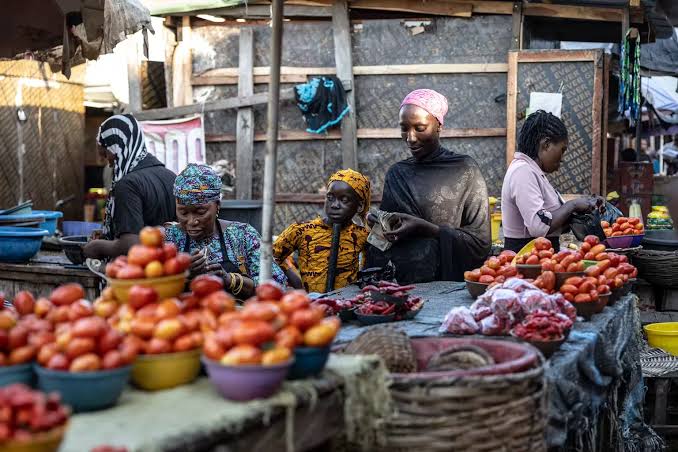
Job creation remains central to Dangote’s strategy. With Nigeria projected to need 40–50 million new jobs by 2030, he argued that large-scale industrial projects are essential to absorb the country’s growing youth population. The refinery currently employs about 30,000 workers, 80% of whom are Nigerians, with planned expansions across new sectors expected to raise total employment to roughly 65,000.
Dangote also revealed plans to list shares in the refinery on the Nigerian stock market, aiming to broaden local participation in the asset.
Acknowledging ongoing challenges, he cited infrastructure gaps and crude supply constraints as potential obstacles, particularly due to logistics bottlenecks and inefficiencies in the oil value chain. Despite these issues, he reaffirmed the group’s commitment to reducing import dependence and retaining economic value within Africa.
“Nobody dared to do it, so we did it,” Dangote said, underlining his belief in the transformative potential of large-scale private investment for Nigeria’s industrial landscape.
With cement operations across multiple African countries and a refinery reshaping Nigeria’s downstream sector, Dangote’s next phase into steel, electricity, and port development signals a renewed drive to industrialise the continent.


