


By Ayomide Otitoju
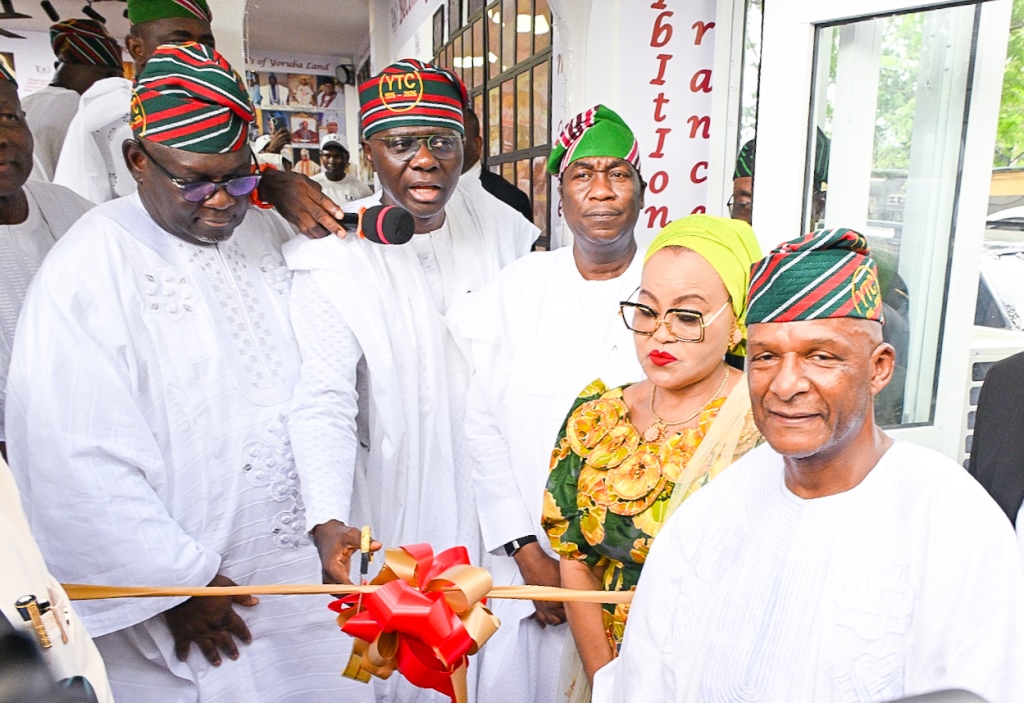
In line with its Vision 2030 plan, Dangote Industries Limited (DIL) will spearhead participation at the 15th Gateway International Trade Fair in 2026, themed “Promoting Business through Partnership.” The Pan-African conglomerate is partnering with the Ogun State Chamber of Commerce, Industry, Mines and Agriculture (OGUNCCIMA) as a lead sponsor of the event.
DIL said it is poised for strategic collaborations with governments at all levels, their agencies, and other stakeholders to achieve its goal of becoming a $100 billion revenue business by 2030.
Speaking on the company’s preparations for the fair, Group Chief Branding and Communication Officer, Mr. Anthony Chiejina, emphasized that the participation aligns with Dangote Group’s Vision 2030 strategy, which focuses on sustained industrial expansion, cross-border investments, and reducing dependence on imports in critical sectors such as energy, manufacturing, and infrastructure.
He cited the Group President, Aliko Dangote, noting that the company’s ambitions go beyond building factories to building Africa’s capacity to feed itself, power its economy, and drive sustainable industrialization. According to Chiejina, the Trade Fair offers an ideal platform for manufacturers and government agencies to collaborate in promoting local production over importation.
Under Vision 2030, Dangote Industries plans to expand its largest single-train petroleum refinery from 650,000 barrels per day to 1.4 million barrels per day, and its fertiliser plant from 3 million to 12 million metric tonnes per annum. The company’s cement operations are also projected to reach 90 million tonnes annually by 2030.
Chiejina confirmed that all Dangote subsidiaries will participate in the fair, urging businesses and the public to explore partnership opportunities. Visitors to the group’s pavilion will have access to products such as cement, sugar, salt, fertiliser, and rice at competitive prices.
He further highlighted Dangote’s agricultural investments, including the development of six large-scale rice milling plants in Kano, Jigawa, Zamfara, Niger, Kebbi, and Sokoto, with a combined annual milling capacity of 1.5 million tonnes. These initiatives, he explained, complement the company’s broader industrial investments, reinforcing its Vision 2030 objectives.