






By Ayomide Otitoju
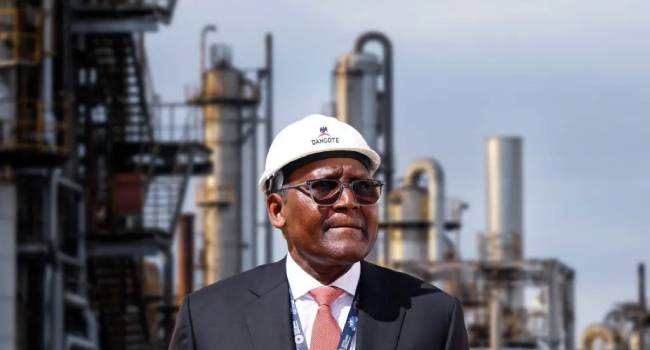
Dangote Petroleum Refinery has accused the Petroleum and Natural Gas Senior Staff Association of Nigeria (PENGASSAN) of attempting to sabotage the country’s energy supply chain after the union ordered its branches to halt crude oil and gas supplies to the facility.
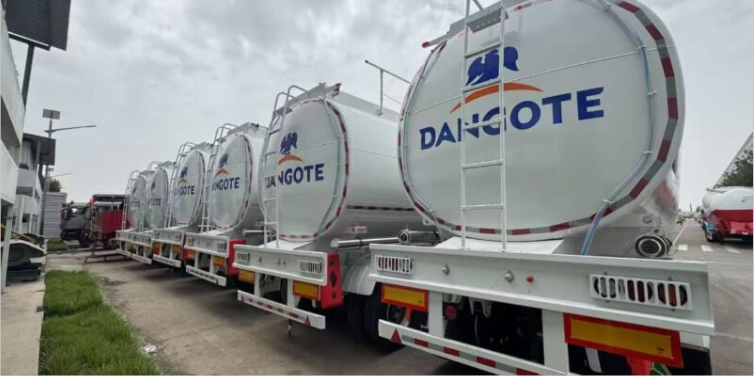
In a statement issued on Saturday, the company described the directive as “lawless and criminal,” warning that enforcement could trigger widespread fuel shortages and disrupt the supply of key petroleum products, including petrol, aviation fuel, diesel, kerosene, and cooking gas.
According to Dangote Refinery, PENGASSAN on September 26 directed members in oil multinationals and subsidiaries, including TotalEnergies, Seplat, Chevron, Oando, Shell Nigeria Gas, and the Nigeria Gas Infrastructure Company (NGIC), to immediately cut off supplies to the refinery.
The company stressed that the union has no legal authority to interfere in contracts between the refinery and its suppliers, describing the move as “economic sabotage” against both the refinery and the Nigerian state.
“Absolutely no law gives PENGASSAN the right to direct its branches to cut off supplies to the Dangote Refinery,” the statement said, adding that such actions could plunge Nigerians into “irreparable hardship” and destabilise the economy.
Dangote Refinery, the world’s largest single-train refinery and a major taxpayer, said the directive undermines investor confidence, threatens government revenue, and puts a strategic national asset at risk. It urged the federal government and security agencies to intervene immediately.
The company also criticised PENGASSAN for what it called a “contradictory stance,” noting that while the union previously threatened to pursue legal action, it has now resorted to “mob action.”
“This amounts to a national embarrassment and a disincentive for investors who look to the refinery’s success as a model for Nigeria’s oil and gas sector,” the statement added.
Dangote Refinery called on Nigerians to resist any attempt to disrupt its operations, warning that compliance with the directive would harm households and businesses nationwide through fuel queues, shortages, and price hikes.