

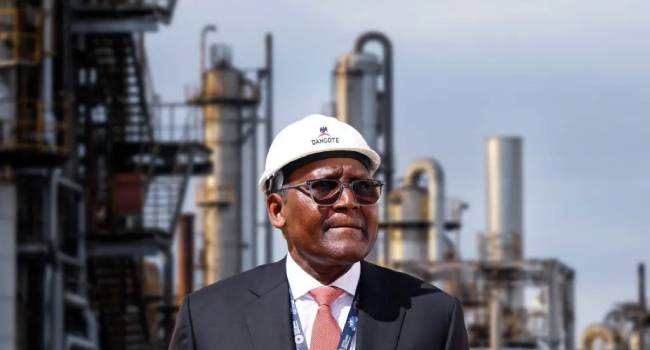



After over a year since its launch in May 2023, the Dangote Refinery has begun producing Premium Motor Spirit (PMS), also known as petrol, from its 650,000 barrels per day facility. At a press conference on Tuesday, Aliko Dangote, the refinery’s owner and a prominent businessman, heralded the occasion as a “celebration day” for Nigerians.
Dangote assured citizens that the petrol will meet global quality standards, promising that it will enhance vehicle performance and longevity. “You will now have good petrol that won’t cause engine issues,” he stated, emphasizing the refinery’s commitment to superior quality.
The refinery, which initially began operations at 350,000 barrels per day last December, aims to reach its full capacity by the end of the year. It has already started supplying diesel and aviation fuel, with petrol now joining the product line.
Dangote also highlighted the refinery’s potential to impact Nigeria’s economy positively. “We will help restore industry and manufacturing, promote import substitution, save foreign exchange, stabilize the naira, and reduce inflation and cost of living,” he explained.
This development comes amid ongoing challenges for the Nigerian National Petroleum Company Limited (NNPCL), which has admitted to significant debts to petrol suppliers, exacerbating fuel shortages. The NNPCL has faced logistical and financial hurdles, contributing to a persistent fuel crisis in Nigeria.
Nigeria Faces Severe Flooding and Food Crisis
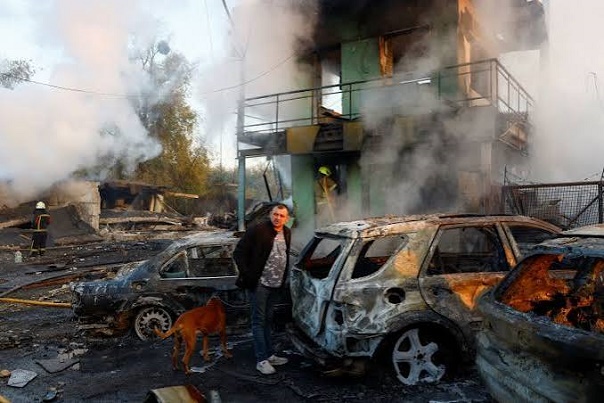
Nigeria continues to grapple with a worsening food crisis as new data from the National Emergency Operations Center (NEOC) reveals that increasing flood levels have affected over 115,000 hectares of farmland. The most impacted states include Bauchi, Taraba, and Jigawa.
The flooding has displaced over 225,000 individuals and resulted in 201 fatalities. This situation compounds the already high food inflation, which the National Bureau of Statistics (NBS) has pegged at over 40 percent.
Nigerians to Spend Majority of Income on Food
A recent survey by the Central Bank of Nigeria (CBN) predicts that Nigerian households will allocate 54.9% of their income to food over the next six months due to rising inflation. The survey highlights that spending on non-essential items and investments will be significantly reduced.
Looting and Security Concerns in the North-East
The food crisis has led to increased looting of warehouses and food trucks in Nigeria’s North-East. Babagana Bulama, Chairman of the North-East forum of the DSS, attributed these incidents to the economic strain and rising food prices.
Army Deploys Troops to Protect Farmers
In response to the security situation, the Nigerian Army has deployed troops in the North-West and North-Central regions to protect farmers and agricultural assets.
Government Interventions
The Federal Government has implemented measures to address the food crisis, including suspending duties on key agricultural imports and procuring 2,000 tractors and 1,200 trailers. The Minister of Agriculture, Abubakar Kyari, has assured a bumper harvest by the end of the year and emphasized efforts to modernize farming practices.
Kyari also highlighted challenges such as reduced farmland, flooding, and an ageing farming population, emphasizing the need for mechanization and increased investment in agriculture.


