



By Ayomide Otitoju
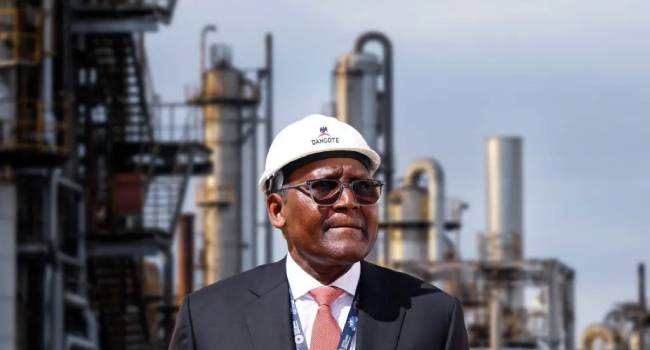
The Dangote Petroleum Refinery has announced a new distribution initiative aimed at reducing inflation, cutting fuel costs, and generating employment across Nigeria. The plan, unveiled in a statement on Tuesday, involves the free delivery of Premium Motor Spirit (PMS), diesel, and other petroleum products to major users, including petrol station operators, manufacturers, telecom companies, the aviation sector, and other industrial consumers.
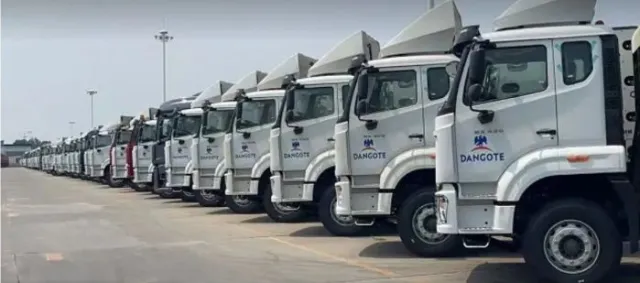
According to the Dangote Group’s media team, the initiative includes the deployment of 4,000 Compressed Natural Gas (CNG)-powered tankers to streamline product distribution, address long-standing inefficiencies, and eliminate the grip of middlemen in the supply chain. The company noted that the move would also promote environmental sustainability.
Commenting on the development, public affairs analyst and university lecturer Abimbola Oyarinu said the plan could dismantle the dominance of entrenched intermediaries in Nigeria’s fuel distribution network. “This initiative has the potential to dismantle the dominance of powerful middlemen who have in the past stalled progress and held entities like the NNPCL hostage,” Oyarinu stated. He added that Nigerians would ultimately assess the success of the policy by its impact on fuel prices.
Energy analyst Ibukun Phillips described the initiative as “revolutionary,” highlighting its potential to transform fuel access in rural areas. “Logistics currently account for 10% to 30% of pump prices. Removing these costs will naturally reduce prices,” she said. Phillips also projected that the scheme would create at least 8,000 new driving jobs as operations ramp up.
Also weighing in, Kelvin Emmanuel, energy expert and co-founder of Dairy Hills, called the free logistics plan a “critical shift” in the downstream sector. Speaking on a national television programme, Emmanuel dismissed monopoly fears, instead pointing to systemic inefficiencies and regulatory lapses.
He argued that most marketers’ profits come not from thin margins on PMS, but from exploiting arbitrage via substandard imports. “Many of these imports don’t meet the sulphur specifications required under the Petroleum Industry Act,” he noted. Emmanuel also revealed that the Nigerian Midstream and Downstream Petroleum Regulatory Authority (NMDPRA) owes independent marketers N1.8 billion in unsettled bridging claims, which he said require independent auditing.
Emmanuel emphasized that the Dangote Refinery is filling a long-standing gap in Nigeria’s downstream sector by assuming responsibilities such as storage, transportation, and bridging—tasks historically mired in inefficiency. He said the refinery’s deployment of CNG-powered trucks is a tactical solution to overcome infrastructural and bureaucratic hurdles.