


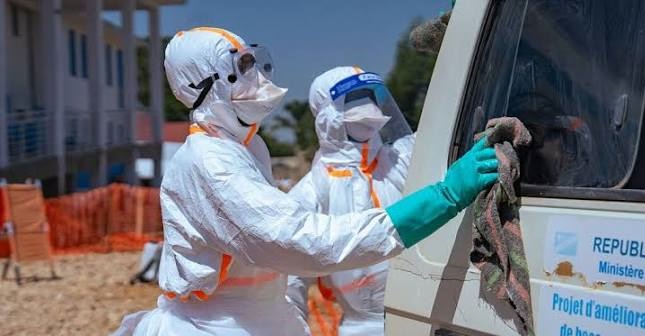

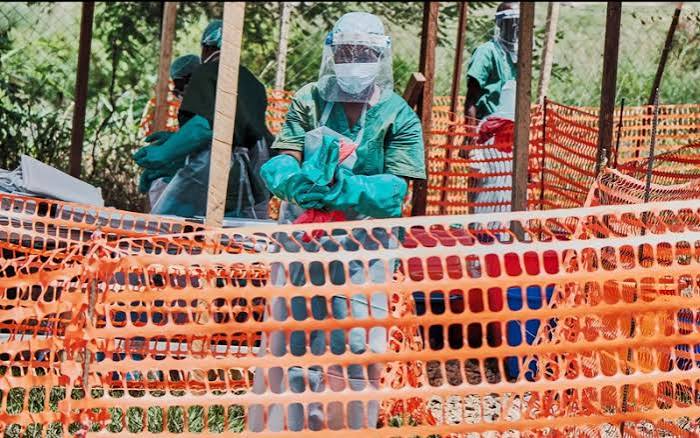
The Democratic Republic of Congo (DRC) has recorded more than 7,000 Ebola cases in what authorities describe as the country’s worst outbreak of the deadly disease, with nearly 3,400 deaths.
According to the latest figures released by Congolese authorities, 7,022 cases have been recorded since the outbreak was officially detected in mid-May. A total of 3,398 people have died, while 1,671 have recovered.
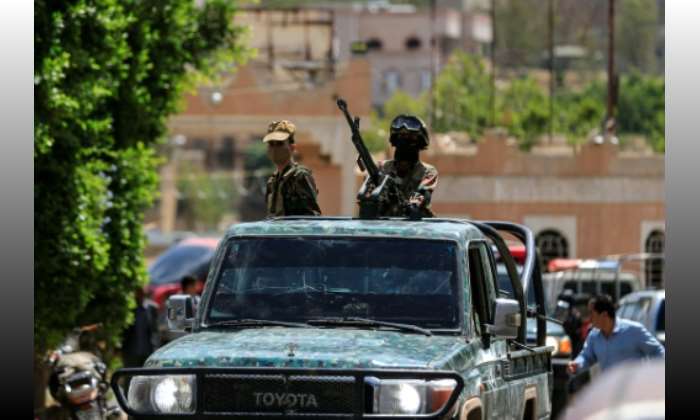
The outbreak began in northeastern Ituri province before spreading to remote parts of eastern and northern DRC, where decades of conflict, armed groups and weak health infrastructure have complicated the response.
The disease has now spread to seven provinces, with South-Ubangi becoming the latest affected area. The province borders the Central African Republic and the Republic of Congo.
Most cases have been reported in Ituri, where Ebola has been detected in schools following the return of pupils from the summer holiday, raising concerns among parents and health workers.
“We are very worried because we don’t know which child comes from which family or what the health status of the members of that family is,” Angele Magani, a mother in the provincial capital, Bunia, told AFP.
School authorities have introduced measures including mandatory hand-washing with soap and limiting classrooms to a maximum of 30 pupils.
Roger Mungimbo, a school official in Bunia, said pupils had also been instructed to avoid physical contact and wash their hands regularly.
Ebola is transmitted through contact with infected bodily fluids and can cause severe bleeding, organ failure and death. The disease has killed more than 15,000 people in Africa over the past five decades.
The current outbreak is caused by the Bundibugyo virus strain, for which there is currently no approved vaccine or treatment. Several vaccines and treatments are being tested.


