



By Ayomide Otitoju
The Federal Government, through the Nigerian National Petroleum Company Limited (NNPCL), has launched a comprehensive rehabilitation project for 5,120 kilometers of pipelines used to transport crude oil and other petroleum products across Nigeria.
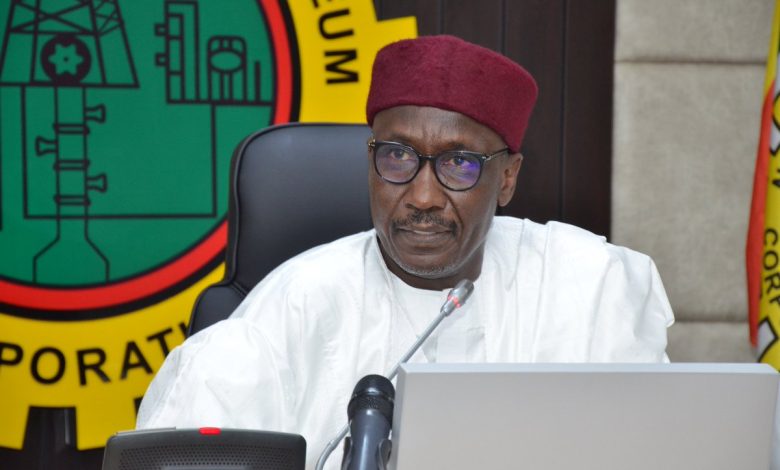
The initiative, aimed at bolstering energy security and reducing environmental impact, was disclosed by NNPCL Group Chief Executive Officer Mele Kyari during the Nigeria International Pipeline Technology and Security Conference in Abuja. Themed “Pipelines – Critical Assets for National Economic Development and Environmental Sustainability,” the conference was organized by the Pipeline Professionals Association of Nigeria.
Represented by the Managing Director of the Nigerian Pipelines and Storage Company, Folorunsho Kareem, Kyari emphasized the vital role of pipelines in ensuring energy security while reducing carbon emissions. “Pipelines contribute only 5% to greenhouse gas emissions, compared to 27% from trucks, 17% from railways, and 22% from motorways,” Kareem noted.
A Strategic Overhaul
Kareem revealed that NNPCL’s rehabilitation plan includes advanced technological solutions leveraging automation, artificial intelligence, and sophisticated monitoring systems. The initiative also incorporates horizontal directional drilling to secure pipelines in high-risk areas.
“We are rehabilitating our network to enhance safety, efficiency, and sustainability. This involves burying pipelines in vulnerable regions and adopting fiber optic radio sequencing for real-time monitoring,” Kareem said.
He added that the project would be executed under a public-private partnership using a Build, Operate, and Transfer (BOT) model. The rehabilitation effort will span critical infrastructure, including the Port Harcourt, Warri, and Kaduna refineries, as well as the Atlas Cove Depot.
The initiative aims to reduce security risks, enhance utilization, and lower maintenance costs while ensuring the reliable supply of petroleum products across Nigeria.
Addressing Challenges
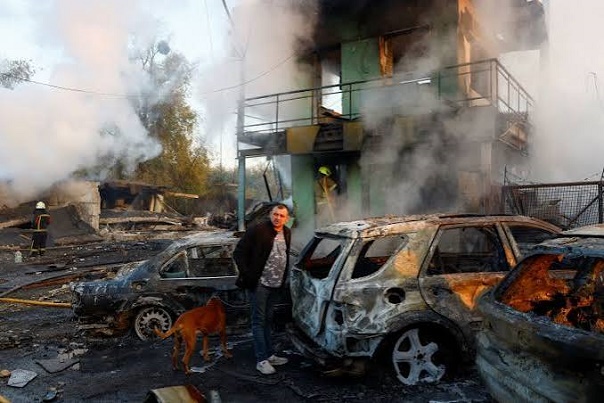
Despite its importance, Nigeria’s pipeline infrastructure remains vulnerable to vandalism and sabotage. Minister of State for Petroleum Resources (Gas), Ekperikpe Ekpo, highlighted these challenges in a virtual address, calling for innovative security strategies and stricter environmental compliance.
“The consequences of pipeline vandalism include revenue loss, environmental degradation, and threats to national security. We are committed to addressing these issues through advanced security protocols and stakeholder collaboration,” Ekpo said.
He further reiterated Nigeria’s commitment to global climate goals, urging sustainable pipeline operations to minimize environmental impacts.
Legislative Support and Collaboration
Chairman of the House Committee on Petroleum (Upstream), Alhassan Ado Doguwa, pledged legislative support for protecting critical national assets. He called for suggestions to improve the implementation of the Petroleum Industry Act (PIA) and promote sustainable operations in the oil and gas sector.
In his remarks, Geoff Onuoha, Chairman of the Pipeline Professionals Association of Nigeria, stressed the need for strategic partnerships between the government, stakeholders, and host communities to optimize pipeline infrastructure.
“Pipelines are critical to energy access and economic growth. Collaborative efforts will ensure their sustainability and positive impact on national development,” Onuoha stated.
A National Priority
NNPCL’s pipeline rehabilitation is part of a broader strategy to modernize Nigeria’s oil and gas infrastructure, ensuring efficient resource transportation and meeting the country’s energy demands. By addressing security, sustainability, and operational efficiency, the initiative is poised to significantly boost economic growth and environmental sustainability.