





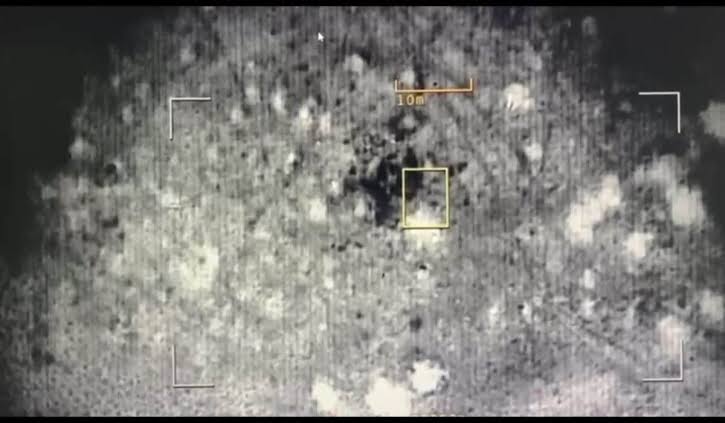
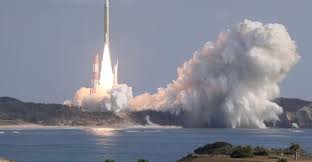
A major fire broke out Tuesday at Japan’s Tanegashima Space Center, following a combustion test of a solid-fuel Epsilon S rocket. The blaze, visible for miles, sent towering flames and thick smoke into the sky. Fortunately, there were no reported injuries from the incident, which occurred in a remote area of Kagoshima in southern Japan.
Footage from national broadcaster NHK showed dramatic images of fireballs and white fumes rising from the facility. Journalists stationed about 900 meters from the site reported a large explosion shortly after the test began at 8:30 a.m. (2330 GMT Monday).
The Japan Aerospace Exploration Agency (JAXA) confirmed hours later that the cause of the fire remains unknown. JAXA project manager Takayuki Imoto stated that it would take “at least a few months” to determine the cause, make adjustments, and potentially conduct a new test.
The incident comes as a major setback for Japan’s space program, potentially delaying the launch of the Epsilon S rocket, which was slated to replace the Epsilon model by March. The Asahi Shimbun newspaper has called the timeline “hopeless” in light of the latest failure.
This mishap follows a similar incident in July 2023, when an Epsilon S engine exploded during a test, resulting in fuel catching fire. Imoto expressed regret over the recurring issues, stating, “We did everything we could to identify what went wrong… and we feel sorry for failing to meet expectations.”
The latest fire is part of a string of recent setbacks for Japan’s space efforts, including a failed launch attempt of the next-generation H3 rocket in February 2023, though the H3 successfully launched earlier this year. Japan also experienced a separate failure in March when a private company’s rocket, the Kairos, exploded shortly after launch.
Despite these challenges, Japan continues to make strides in space exploration, including a successful moon landing in January 2024. However, the latest incident underscores the ongoing difficulties facing Japan’s ambitious space missions.


