





By Ayomide Otitoju
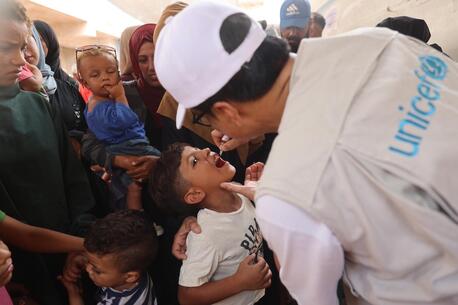
The emergency polio outbreak response in the Gaza Strip is set to continue with a mass vaccination campaign scheduled from February 22 to 26, 2025. Over 591,000 children under the age of 10 will receive the novel oral polio vaccine type 2 (nOPV2) as health authorities work to curb the spread of the virus.
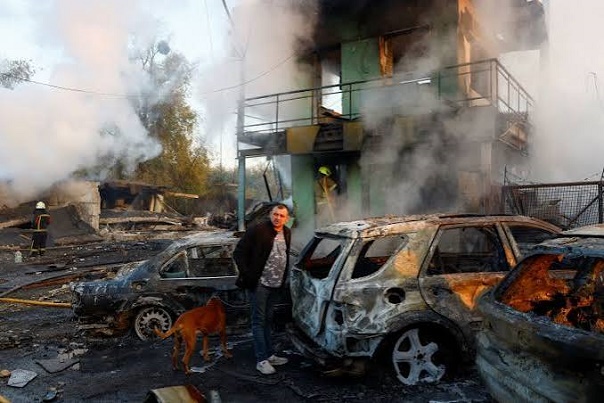
The campaign follows the detection of poliovirus in wastewater samples, signaling ongoing transmission in Gaza. The virus poses a significant risk to children, particularly in areas with low immunity. Overcrowding in shelters and damage to water, sanitation, and hygiene infrastructure due to the conflict have created conditions that facilitate fecal-oral transmission. Additionally, extensive population movement following the recent ceasefire is expected to heighten the risk of further spread.
Previous vaccination efforts in September and October 2024 successfully reached over 95% of the target population. However, the persistence of poliovirus in the environment has necessitated additional rounds to close immunity gaps. Some areas, including Jabalia, Beit Lahiya, and Beit Hanoun, were inaccessible during earlier campaigns, leaving approximately 7,000 children unvaccinated.
No new polio cases have been reported since a ten-month-old child was paralyzed in August 2024. However, recent environmental samples collected in Deir al Balah and Khan Younis in December 2024 and January 2025 confirm ongoing poliovirus transmission. The strain detected is genetically linked to the virus first identified in Gaza in July 2024.
The upcoming vaccination drive aims to reach all children under 10, including those previously missed, to enhance immunity and halt the outbreak. An additional polio vaccination round is planned for April.
Led by the Palestinian Ministry of Health, the campaign is supported by the World Health Organization (WHO), the United Nations Children’s Fund (UNICEF), the United Nations Relief and Works Agency for Palestine Refugees (UNRWA), and other partners.
Health officials emphasize that polio vaccines are safe, with no limit to the number of doses a child can receive. Each dose provides additional protection, which is crucial during an active outbreak.
WHO, UNICEF, and other partners have welcomed the recent ceasefire and continue to advocate for a lasting peace to ensure uninterrupted health interventions in Gaza.


