






By Ayomide Otitoju
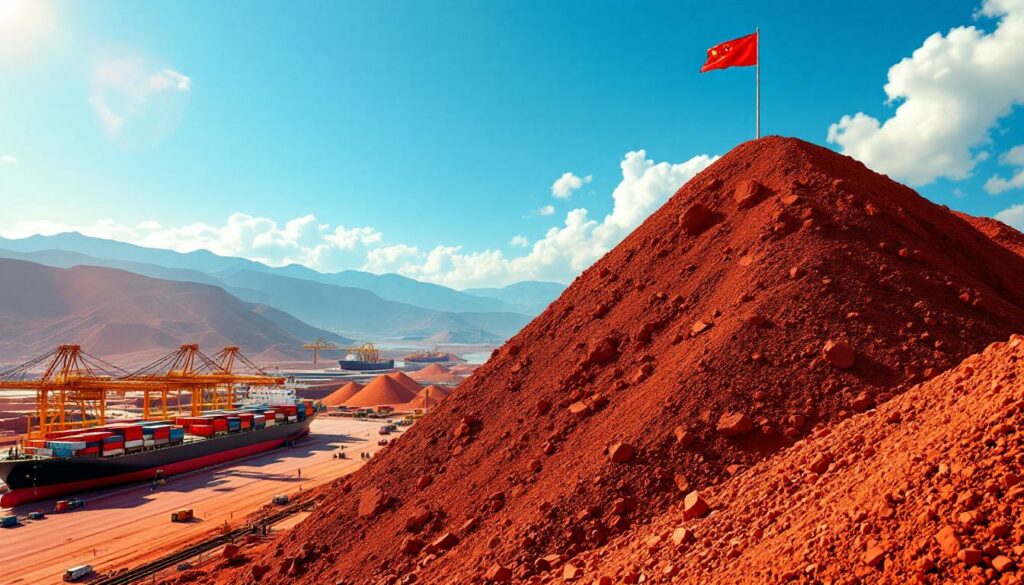
Guinea-Conakry’s bauxite industry is poised to enter 2026 following a record-breaking year, with export data for the first quarter of 2025 showing a sharp surge in output driven by soaring Chinese demand and expanded export infrastructure.
According to trade data, Guinea exported 48.6 million tons of bauxite in Q1 2025 — a 39 percent increase compared to the same period in 2024 — positioning the West African nation for another strong performance in 2026. The boom was largely fueled by rising aluminum production in China, which grew 4 percent in the first five months of 2025 amid recovery in the construction and manufacturing sectors.
Chinese-backed operators such as Société Minière de Boké (SMB) and Chalco led the export surge, while newer entrants including AGB2A, Dynamic Mining, and AMC also contributed to output growth. The influx of players underscores the sector’s resilience and ongoing investor confidence.
Infrastructure expansion played a major role in boosting exports, with Guinea nearly doubling its port capacity in 2025 — from five to nine fully operational terminals — easing congestion and enabling higher shipment volumes. The move is expected to provide the foundation for a more efficient, scalable export system capable of meeting global demand.
The Guinean government’s policy initiatives are also improving market confidence. New measures, such as the domestic shipping mandate and the planned Guinea Bauxite Index, aim to enhance transparency and ensure predictable revenue flows. Meanwhile, efforts to advance local alumina refining, including projects by China’s State Power Investment Corporation, signal the country’s commitment to greater value addition within its mining sector.
Analysts say these developments position Guinea as a pivotal player in the global aluminum supply chain — but sustaining growth in 2026 will depend on balancing export capacity with domestic beneficiation and regulatory stability.