


By Ayomide Otitoju
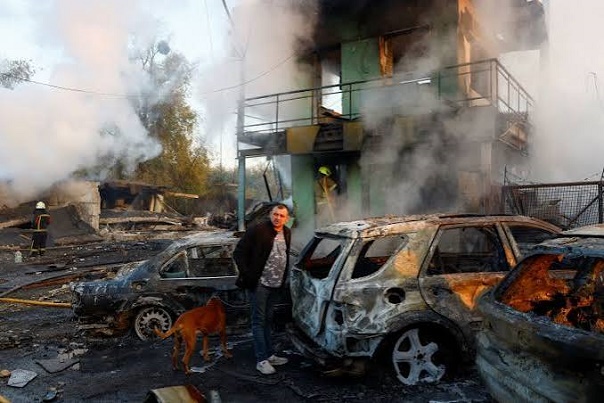
Member states of the International Energy Agency (IEA) convened emergency talks on Tuesday to assess global oil supply security and consider a potential release of strategic reserves as the Middle East conflict continues to disrupt energy markets.
IEA Executive Director Fatih Birol said he had called an extraordinary meeting of member governments to evaluate market conditions and determine whether emergency oil stocks should be made available to stabilise supply.
Birol said the meeting followed discussions among energy ministers of the Group of Seven (G7) in Paris on the economic impact of the conflict.
“In oil markets, conditions have deteriorated in recent days. In addition to the challenges of transit through the Strait of Hormuz, a substantial amount of oil production has been curtailed,” Birol said, warning that the situation posed growing risks to global markets.
He added that the emergency meeting would assess supply security and inform decisions on whether IEA member countries should release strategic reserves to the market.
During the G7 discussions, ministers examined a range of options, including the possible deployment of emergency oil stocks held by IEA members.
Italy’s Environment and Energy Minister Gilberto Pichetto Fratin said countries had pledged solidarity in addressing potential shortages if disruptions to shipping routes intensify.
He noted that nations could use stockpiled reserves to offset supply disruptions caused by the potential closure of the Strait of Hormuz, a critical passage for global oil exports.
Crude oil prices have experienced sharp volatility amid the escalating conflict. Prices surged about 30 per cent on Monday, nearing $120 per barrel before retreating later in the day.
Markets eased further on Tuesday after Donald Trump said the war involving the United States and Israel against Iran could end soon.
Despite the temporary price relief, risks remain elevated after Iran warned earlier that it could halt oil exports from the Gulf as U.S. and Israeli airstrikes continued.
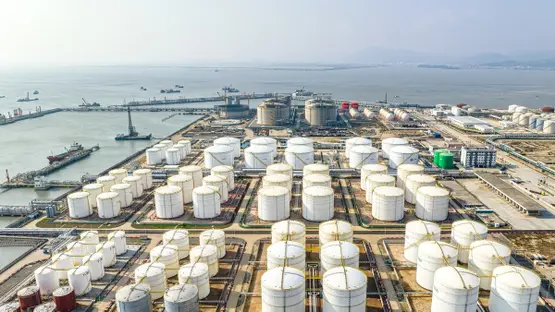
IEA member countries currently hold more than 1.2 billion barrels of public emergency oil stocks, in addition to about 600 million barrels of industry reserves maintained under government mandates.
Earlier this week, finance ministers from the G7 also discussed the possibility of releasing strategic oil reserves. However, France’s Finance Minister Roland Lescure said the situation had not yet reached the point where such action was necessary.
“We have asked the International Energy Agency to start working on scenarios and update its stock data so that we have the most recent information,” Lescure said, adding that governments wanted to remain prepared to act if conditions worsen.
He noted that while North America and Europe were not currently facing supply shortages, Asia remained particularly vulnerable due to its reliance on oil shipments passing through the Strait of Hormuz.
The Paris-based IEA was established to coordinate global responses to major supply disruptions following the 1973 oil crisis. Under its energy security framework, member countries are required to maintain emergency oil stocks equivalent to at least 90 days of their net oil imports.