




The International Monetary Fund (IMF) has warned that up to $50 billion in emergency financing may be required to support countries facing balance-of-payments shocks, as worsening global food insecurity puts an estimated 45 million people at risk.
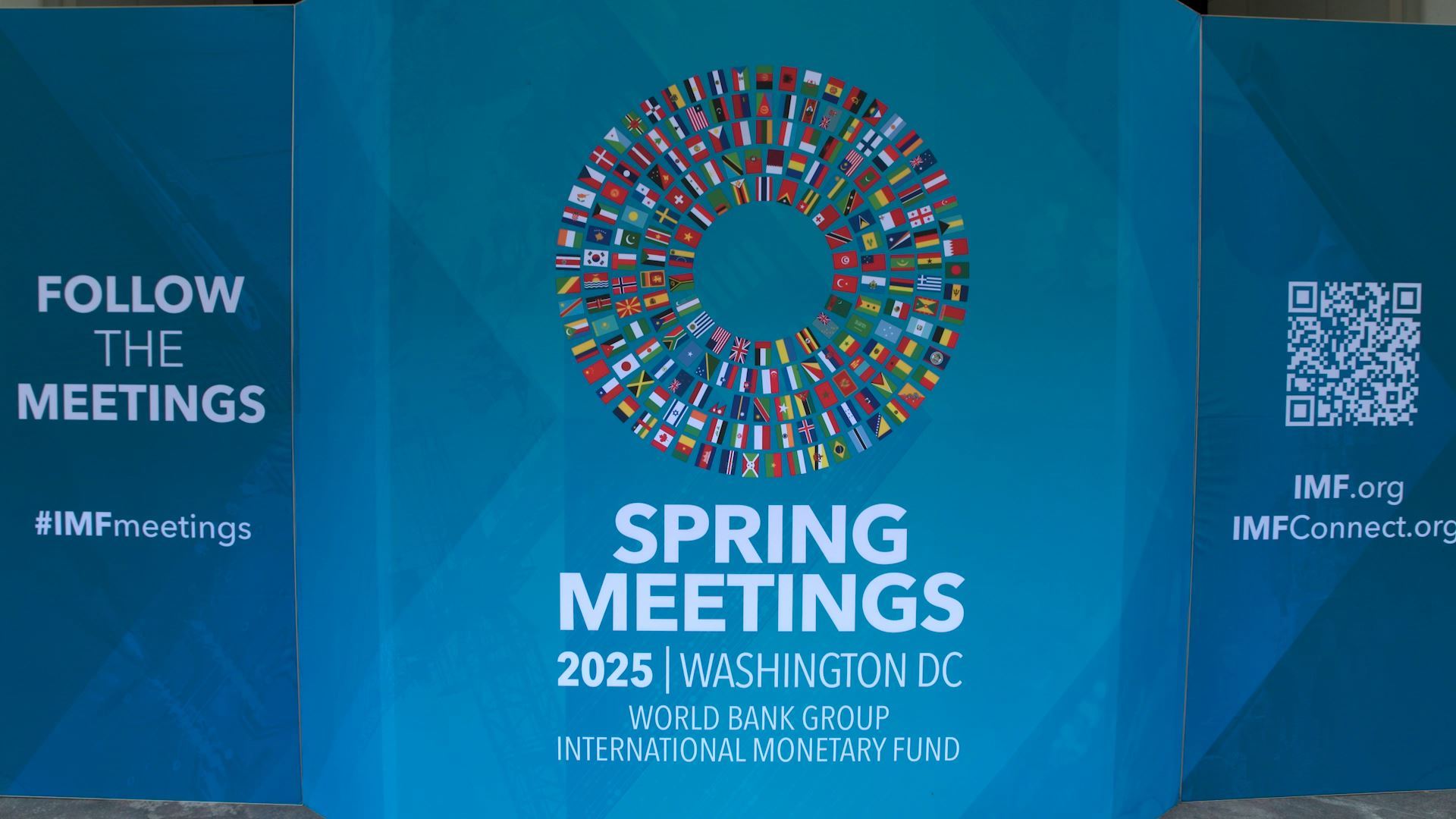
The projection comes ahead of the 2026 World Bank and IMF Spring Meetings scheduled to begin on Monday, April 13 in Washington, where more than 1,000 delegates from 190 countries are expected to converge under the theme “Anchoring Stability and Promoting Balanced Growth.”
The meetings are taking place against the backdrop of heightened global tensions driven by the ongoing Middle East conflict, which has further destabilised energy markets and global supply chains.
Tensions escalated after the United States ordered increased naval operations in the Strait of Hormuz following the breakdown of nuclear negotiations with Iran. In response, Iranian forces warned they retain full control of the strategic waterway and would respond forcefully to any perceived threats.
The escalation has further rattled global markets already under pressure from disrupted energy flows and rising geopolitical risks.
IMF Managing Director Kristalina Georgieva had earlier cautioned that the Fund is likely to downgrade global growth forecasts at the Spring Meetings, citing “scarring effects from spiralling energy costs, supply disruptions, and damaged infrastructure.”
While global uncertainty deepens, Nigeria’s Economic Summit Group recently projected more optimistic domestic indicators, including 5.5% GDP growth for 2026, foreign reserves at a seven-year high of $52 billion, and inflation easing to 16%.
Meanwhile, maritime tensions in the Gulf continue to intensify, with Iran reportedly restricting passage through the Strait of Hormuz and introducing measures that have raised concerns over potential disruptions to global oil and gas shipments.