





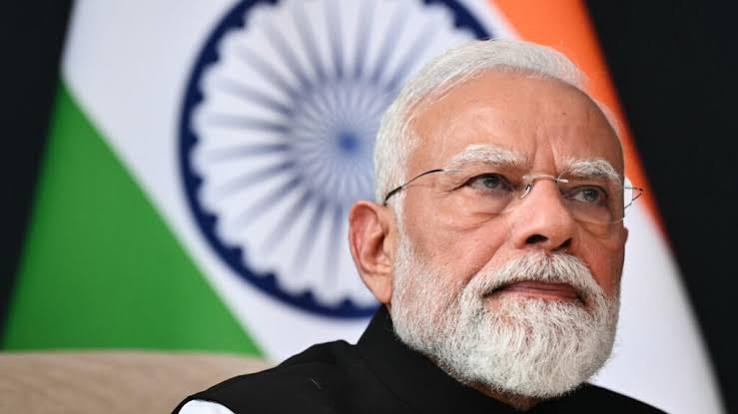
Two weeks after youth-led protests forced India’s education minister to resign, Prime Minister Narendra Modi’s government is facing the political fallout from one of its most significant challenges in years.
The demonstrations, led by the online Cockroach Janta Party (CJP), spread from New Delhi to other cities, initially focusing on alleged examination irregularities before expanding into wider concerns over unemployment, opportunities for young people and what critics describe as increasing authoritarianism under Modi.
Although the protests have largely subsided after some key demands were addressed, they have exposed growing frustrations among young Indians and highlighted the changing nature of political mobilisation in the digital era.
The resignation of Education Minister Dharmendra Pradhan on July 25 represented a rare setback for Modi, who has spent more than a decade building a reputation for political resilience.
In response, authorities have taken steps aimed at addressing some of the protesters’ concerns. Parliament increased penalties for examination paper leaks, while police in several cities withdrew cases against demonstrators following criticism over the alleged excessive use of force.
The protests also demonstrated the growing influence of social media in organising and sustaining political movements.
Modi, a regular user of X, has increasingly turned to Instagram, including posting vertical-format videos aimed at reaching younger audiences.
Authorities have also faced scrutiny over the use of AI-powered camera technology to monitor and identify protesters.
Some women who participated in the demonstrations said they received rape threats and abusive messages online after videos of their activities went viral.
An internet shutdown around the main protest site in New Delhi further disrupted communication, forcing protesters to develop alternative ways of staying connected.
According to Access Now, India ranked second globally in internet shutdowns last year, including localised disruptions linked to protests, conflict and communal violence.
While examination leaks triggered the demonstrations, the protests quickly evolved into a broader expression of dissatisfaction over unemployment, economic opportunities and declining confidence in public institutions.
For many young Indians, the uncertainty surrounding employment after years of education and preparation for highly competitive examinations has become a symbol of wider concerns about economic security.
Addressing examination irregularities alone may therefore not resolve the deeper grievances that brought young people onto the streets.
The protests have also created a youth movement with a large online following, although translating that support into sustained political influence could prove difficult.
The CJP has announced plans for a nationwide listening tour to gather the concerns of young Indians while continuing to support campaigns over examination irregularities.
Protests have continued in parts of the eastern state of Jharkhand, suggesting that the grievances behind the demonstrations have not disappeared.
CJP founder Abhijeet Dipke said the movement was seeking to build public pressure for greater trust and neutrality in government institutions.
For now, he said, the CJP would operate as a pressure group rather than a political party.
The protests could also pressure India’s established political parties to pay greater attention to the concerns of young voters.
Young Indians represent a significant electoral constituency, but converting protest participation into electoral support remains uncertain.
With almost three years before the next national elections, both Modi’s ruling party and opposition parties are likely to seek ways to connect with the frustrations and aspirations expressed by the country’s younger population.After Protests
Two weeks after youth-led protests forced India’s education minister to resign, Prime Minister Narendra Modi’s government is facing the political fallout from one of its most significant challenges in years.
The demonstrations, led by the online Cockroach Janta Party (CJP), spread from New Delhi to other cities, initially focusing on alleged examination irregularities before expanding into wider concerns over unemployment, opportunities for young people and what critics describe as increasing authoritarianism under Modi.
Although the protests have largely subsided after some key demands were addressed, they have exposed growing frustrations among young Indians and highlighted the changing nature of political mobilisation in the digital era.
The resignation of Education Minister Dharmendra Pradhan on July 25 represented a rare setback for Modi, who has spent more than a decade building a reputation for political resilience.
In response, authorities have taken steps aimed at addressing some of the protesters’ concerns. Parliament increased penalties for examination paper leaks, while police in several cities withdrew cases against demonstrators following criticism over the alleged excessive use of force.
The protests also demonstrated the growing influence of social media in organising and sustaining political movements.
Modi, a regular user of X, has increasingly turned to Instagram, including posting vertical-format videos aimed at reaching younger audiences.
Authorities have also faced scrutiny over the use of AI-powered camera technology to monitor and identify protesters.
Some women who participated in the demonstrations said they received rape threats and abusive messages online after videos of their activities went viral.
An internet shutdown around the main protest site in New Delhi further disrupted communication, forcing protesters to develop alternative ways of staying connected.
According to Access Now, India ranked second globally in internet shutdowns last year, including localised disruptions linked to protests, conflict and communal violence.
While examination leaks triggered the demonstrations, the protests quickly evolved into a broader expression of dissatisfaction over unemployment, economic opportunities and declining confidence in public institutions.
For many young Indians, the uncertainty surrounding employment after years of education and preparation for highly competitive examinations has become a symbol of wider concerns about economic security.
Addressing examination irregularities alone may therefore not resolve the deeper grievances that brought young people onto the streets.
The protests have also created a youth movement with a large online following, although translating that support into sustained political influence could prove difficult.
The CJP has announced plans for a nationwide listening tour to gather the concerns of young Indians while continuing to support campaigns over examination irregularities.
Protests have continued in parts of the eastern state of Jharkhand, suggesting that the grievances behind the demonstrations have not disappeared.
CJP founder Abhijeet Dipke said the movement was seeking to build public pressure for greater trust and neutrality in government institutions.
For now, he said, the CJP would operate as a pressure group rather than a political party.
The protests could also pressure India’s established political parties to pay greater attention to the concerns of young voters.
Young Indians represent a significant electoral constituency, but converting protest participation into electoral support remains uncertain.
With almost three years before the next national elections, both Modi’s ruling party and opposition parties are likely to seek ways to connect with the frustrations and aspirations expressed by the country’s younger population.


