








As night falls over wartime Kyiv, the city is plunged into darkness—its streets lit only by the faint glow of reflective dog collars and the silhouettes of passersby. With Ukraine confronting a controversial US peace proposal that many fear would force a capitulation to Russia, residents of the capital are preparing for what could be the most challenging winter since the war began.
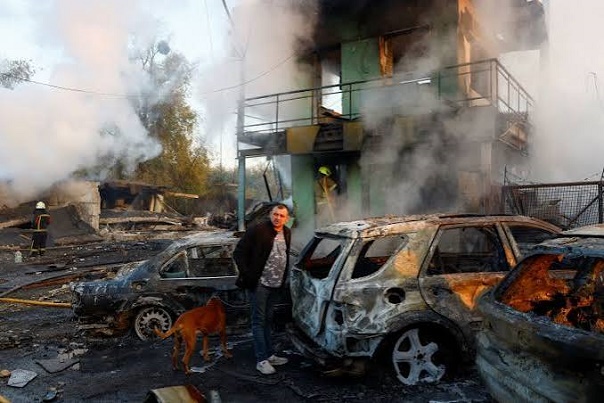
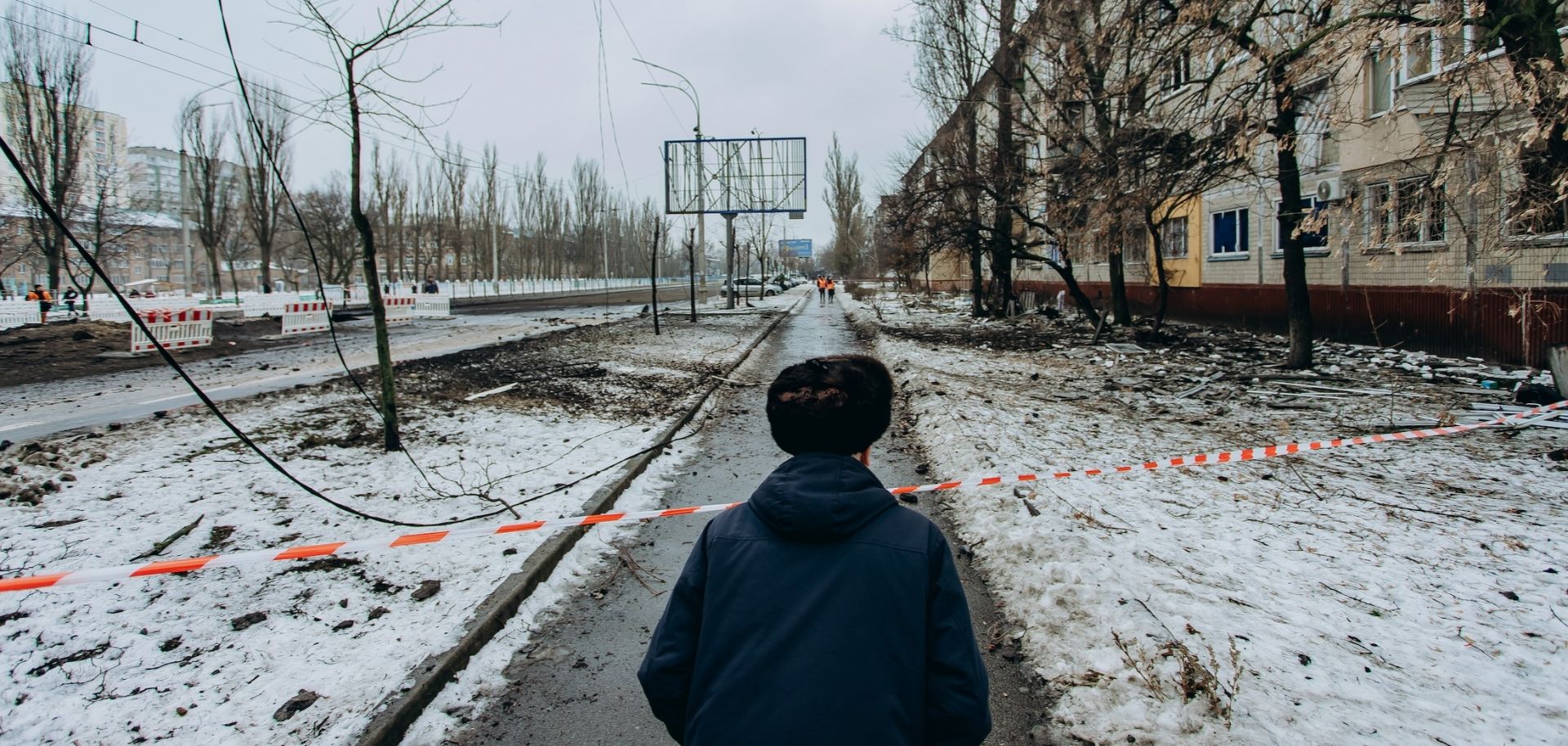
Russia has intensified its campaign against Ukraine’s energy infrastructure, unleashing record numbers of missiles and drones after years of sustained attacks. The strikes have left Kyiv facing rolling blackouts and widespread uncertainty over heating supplies as temperatures plunge.
For many residents, the strategy of simply enduring past winters has given way to stricter precautions. In a Kyiv dance studio, bright light spills onto the street—a rarity in blackout-prone neighbourhoods. Owner Dmytro Kustov, 29, says he installed a generator, inverter, and backup power cables after a recent outage pushed him to “snap” and take action.
Without the equipment, power cuts would leave his studio dark twice a day for four hours at a time. “It’s very important for people to have warmth now; it’s important for people to have some hope,” he told AFP. “I always need light here so that people can come, train, and communicate.”
Ukraine has not disclosed the full extent of the damage to its gas network, though local media estimate that 60 percent of production capacity has been lost. While Kyiv insists reserves are sufficient, concerns remain about the weakened transmission system—and the prospect of a citywide heating failure affecting 3.5 million people.
“This has become everyday life,” Kustov said, though he admitted the constant outages are stressful. Backup batteries can keep the lights on, but heating failures would be far harder to manage. “We’ll hold on,” he said quietly, before adding with a sigh, “I want to go to Bali.”
Across Ukraine, mornings begin with grim routine: a minute’s silence for war victims, an air force report tallying overnight Russian attacks, and a message from national grid operator Ukrenergo warning of new outages. Some days, restrictions affect “most regions”; on others, “all regions.”
Kyiv residents follow rotating blackout schedules. Volodymyr, 66, and his wife Tetiana, 64, have adapted by waking at night to shower, charge devices, and finish household chores. Their home is stocked with generators, batteries, rechargeable bulbs, and gas canisters. A dusty gas stove sits ready on their terrace as a last resort.
“If there’s no gas, there will be firewood—I have it,” Volodymyr said. But Tetiana worries for elderly relatives and those unable to prepare. “People thought this would resolve itself,” she said. “Just like we thought the war wouldn’t start.”
Preparedness is improving, however. Epicentr, a major home improvement chain, recently reported a threefold increase in generator sales and an eightfold surge in power banks and camping burners following massive strikes on October 3. Yet affordability remains an obstacle, with many unable to buy alternative power sources. Kustov’s studio setup alone cost about $1,100—roughly twice Ukraine’s average monthly salary.
Even amid hardship, Kyiv’s youth try to keep life moving. Between rehearsals, dancers share stories of climbing 20 flights of stairs during outages or enduring water cuts. The bombardments “keep getting worse,” one said, with many feeling as though the city has been thrown “back to 2022.”


