






By Ayomide Otitoju
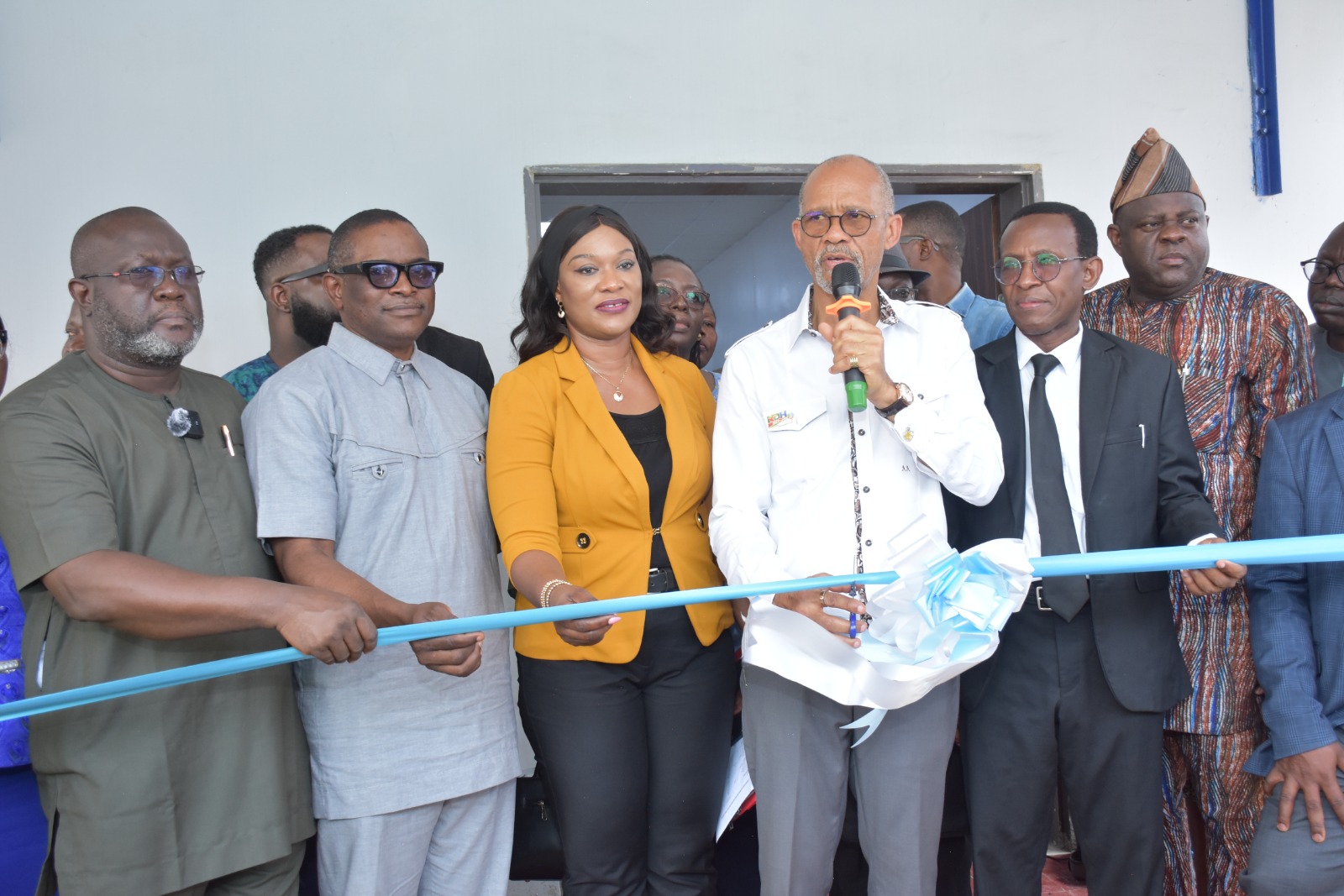
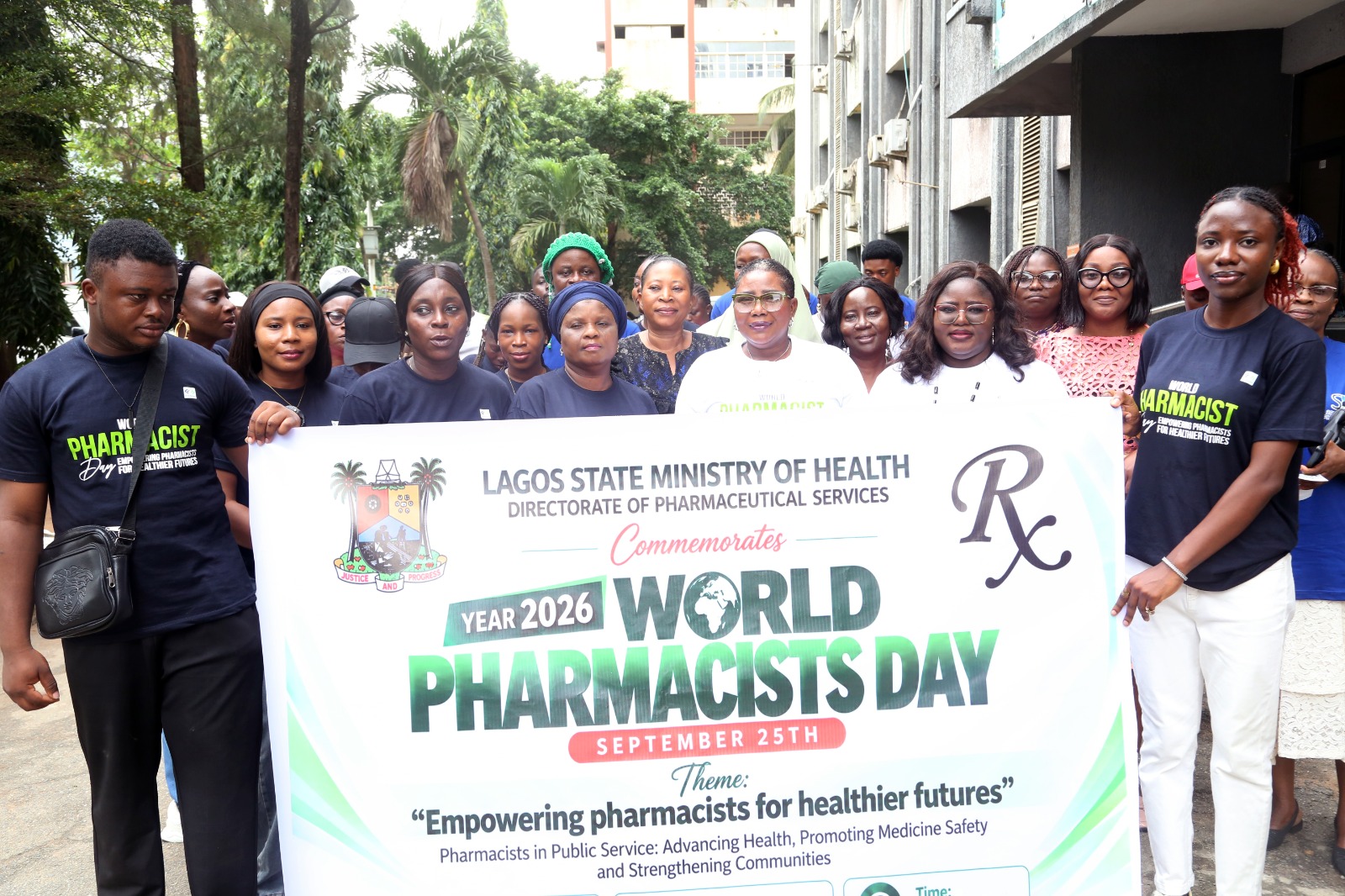
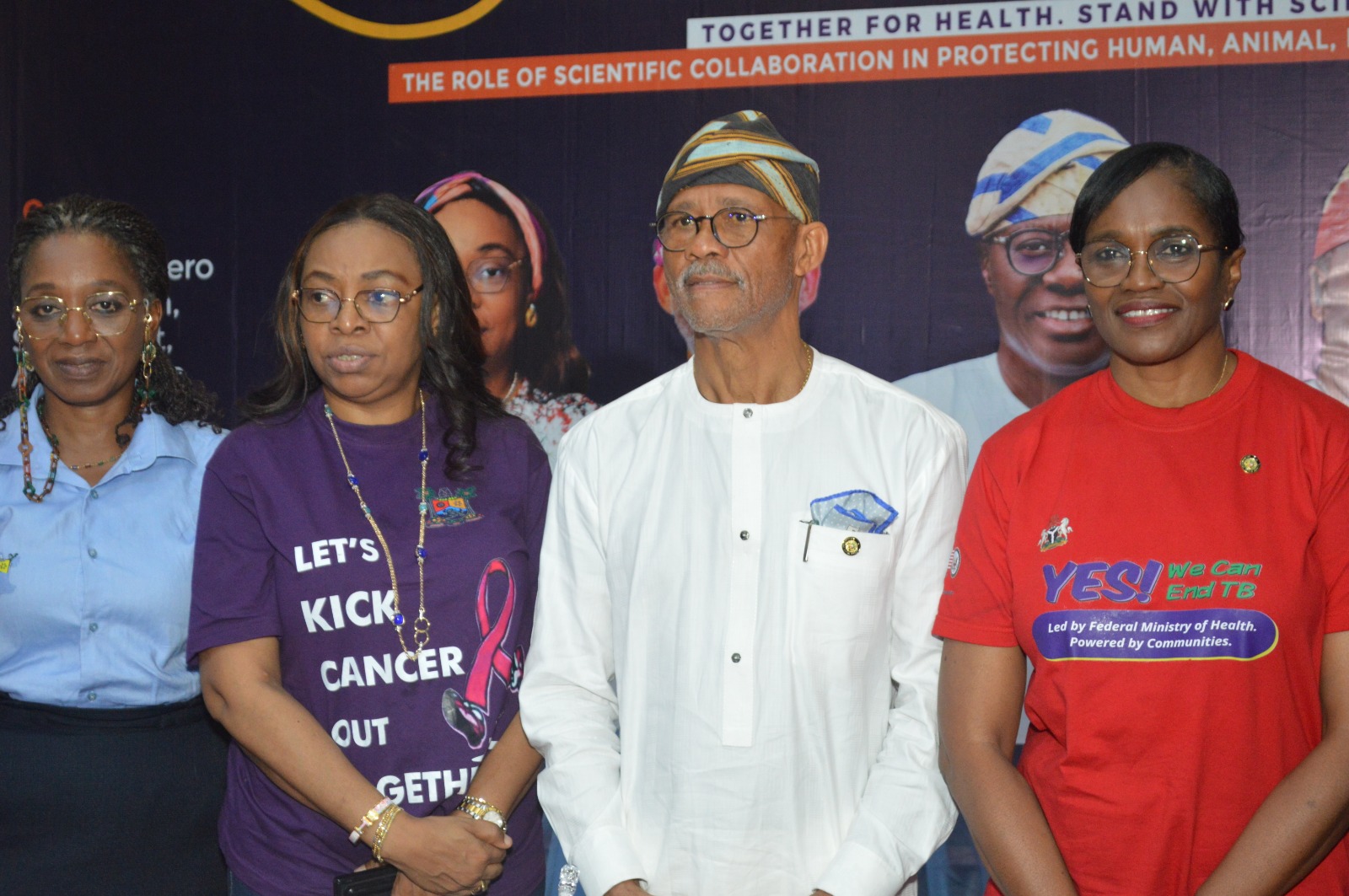
Lagos State on Tuesday convened policymakers, development partners, and health experts at the Adeyemi Bero Auditorium, Alausa-Ikeja, to mark World Health Day 2026 with a high-level symposium focused on science-driven solutions. The event, themed “Together for Health. Stand with Science: The Role of Scientific Collaboration in Protecting Human, Animal, Plant, and Planetary Health,” began with an awareness walk within the Secretariat complex, signalling the State’s commitment to preventive health and public engagement.
Delivering the keynote lecture, Lagos State Commissioner for Health, Prof. Akin Abayomi, said the State is deepening reforms by leveraging science, data, and innovation to strengthen health systems and improve outcomes. He emphasized a shift toward evidence-driven governance, where policies are guided by research, surveillance, and real-time data, creating a proactive, predictive, and resilient health system.
Abayomi highlighted malaria control as a success story, noting that rapid diagnostic testing has reduced malaria positivity rates in public facilities from 60 percent to five percent, ensuring more accurate diagnosis and treatment. He also outlined investments in research, digital health platforms, and infrastructure—including specialist hospitals, modern primary healthcare centres, and a 1,000-bed Mental Health Institute—aimed at supporting scientific advancement and quality healthcare.
The Commissioner stressed that Lagos is expanding health insurance coverage, strengthening public-private partnerships, and increasing health spending to nearly 15 percent of the State budget in line with the Abuja Declaration.
In her opening remarks, Special Adviser to the Governor on Health, Dr. Kemi Ogunyemi, highlighted the importance of collaboration in addressing public health challenges, noting that collective action is crucial to tackling malaria, HIV, and malnutrition.
Permanent Secretary, Ministry of Health, Dayo Lajide, said the symposium fostered cross-sectoral collaboration under the One Health approach, emphasizing the interconnectedness of human, animal, and environmental health. Permanent Secretary, Ministry of Environment and Water Resources, Dr. Omobolaji Gaji, stressed prioritizing preventive measures to reduce disease burden from environmental factors.
Other speakers included Dr. Chinyere Okafor, WHO Lagos Coordinator, who called for increased domestic investment in research and stronger international collaboration; Dr. Rasheed Macaulay, Director of Veterinary Services, who highlighted the containment of an anthrax outbreak through inter-ministerial collaboration; and Dr. Ismail Abdus-Salam, Director of Epidemiology, Biosecurity, and Global Health, who noted the role of digital surveillance platforms like SORMAS in strengthening preparedness.
Private sector leaders, including Njide Ndili, Dr. Taiwo Johnson of The Challenge Initiative, and Aisha Ejigbo of the Clinton Health Access Initiative, called for integrating private sector data into national health systems and translating scientific evidence into actionable interventions.
The symposium concluded with stakeholders reaffirming their commitment to advancing the One Health approach, promoting evidence-based policies, and ensuring science remains central to health governance in Lagos State