





By Ayomide Otitoju
The Lagos State Government has stepped up efforts to prevent the importation of Ebola Virus Disease (EVD) into Nigeria, with the Commissioner for Health, Prof. Akin Abayomi, leading a high-level inspection and preparedness tour of the Murtala Muhammed International Airport (MMIA), Lagos.
The visit comes amid growing concerns over the resurgence of Ebola in parts of East Africa and forms part of the state’s strategy to strengthen disease surveillance and emergency response systems at Nigeria’s busiest international gateway.
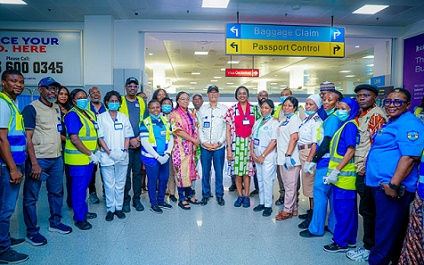
The delegation included the Special Adviser to the Governor on Health, Dr. Kemi Ogunyemi; Permanent Secretary, Lagos State Ministry of Health, Dr. Dayo Lajide; Director of Epidemiology, Biosecurity and Global Health, Dr. Ismail Abdus-Salam; and key officials of the Lagos State Public Health Emergency Operations Centre (PHEOC).
They were received by the Airport Manager and Regional General Manager, South-West MMIA, Mr. Olatokunbo Arewa, alongside officials from airport health and aviation agencies.
During the visit, officials reviewed passenger movement systems, infection prevention and control measures, emergency preparedness protocols, and opportunities for enhanced collaboration to prevent the entry of Ebola and other infectious diseases into the country.
Speaking during the engagement, Abayomi recalled Nigeria’s successful containment of Ebola in 2014 following the importation of the virus into Lagos from Liberia.
“Almost eleven years ago, we experienced the importation of Ebola into Lagos from Liberia during the largest Ebola outbreak in recorded history. We were able to contain what became a relatively small outbreak in Lagos, thanks to the sacrifices of dedicated healthcare workers, including the late Dr. Ameyo Adadevoh,” he said.
The commissioner noted that the 2014 outbreak remains a critical reminder of the need for constant preparedness, especially as increased global travel continues to heighten the risk of cross-border transmission of infectious diseases.
He described MMIA as Nigeria’s most important point of entry, accounting for about 70 per cent of international passenger traffic, and therefore a critical location for disease surveillance and prevention efforts.
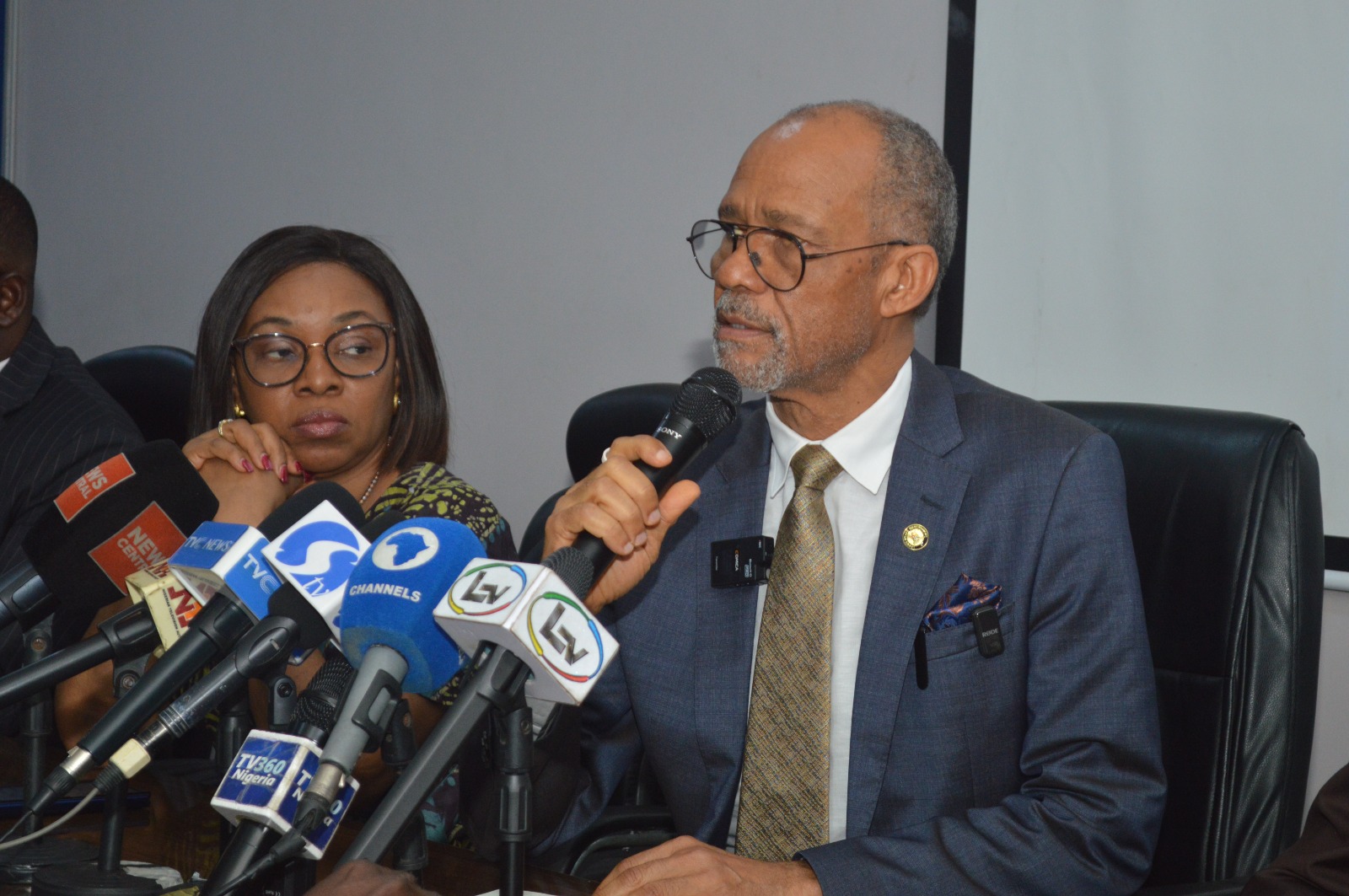
“The primary purpose of our visit is to understand how we can support your efforts, identify existing gaps and jointly develop practical solutions. Our objective is to create a bottleneck for the virus, not for passengers,” Abayomi said.
He emphasized the need to strengthen systems for early detection, rapid isolation and safe evacuation of suspected cases, while enhancing digital monitoring and follow-up mechanisms for travellers arriving from countries of concern.
Special Adviser to the Governor on Health, Dr. Kemi Ogunyemi, stressed that effective disease prevention requires sustained collaboration among government agencies and health stakeholders.
She described airport personnel as critical frontline responders in disease surveillance and response efforts, assuring them of the state government’s support.
“Health security is national security, and the Ebola threat deserves the same level of attention as other major security concerns,” she said.
Permanent Secretary, Lagos State Ministry of Health, Dr. Dayo Lajide, commended airport authorities and health agencies for their cooperation and commitment to safeguarding the nation’s borders against infectious diseases.
She urged frontline workers to maintain strict adherence to infection prevention and control protocols, emphasizing the importance of protecting themselves while protecting travellers and the wider public.
In his remarks, MMIA Airport Manager and Regional General Manager, South-West, Mr. Olatokunbo Arewa, reaffirmed the airport’s commitment to preventing Ebola from entering Nigeria through the facility.
He disclosed that additional preparedness measures, including touchless hand-sanitiser systems and temperature-detection equipment, had already been deployed, while plans were underway to strengthen screening operations.
Arewa also revealed that authorities were considering dedicated arrival processing channels for passengers arriving from high-risk countries to improve surveillance and screening activities.
Providing an update on preparedness efforts, the Head of Port Health Services at MMIA, Dr. Lawal Abdullahi, said the airport reviewed and updated its Public Health Emergency Contingency Plan on March 18, 2026, ahead of recent Ebola developments in East Africa.
According to him, the Airport Public Health Emergency Management Team has been activated, while risk assessments have been conducted to identify countries of concern and guide surveillance measures.
He added that passenger screening systems were introduced before the activation of the national health declaration platform, with relevant data routinely shared with Lagos State epidemiology and surveillance teams.
Other officials, including the General Manager of Aviation Medical Services at the Federal Airports Authority of Nigeria (FAAN), Dr. Bilkis Ibrahim, and the Aeromedical Assessor of the Nigeria Civil Aviation Authority (NCAA), Dr. Abayomi Asunbo, highlighted ongoing efforts to strengthen preparedness through staff training, deployment of protective equipment, public awareness campaigns and enforcement of health protocols for airlines operating designated routes.
The inspection tour concluded with a walkthrough of key airport facilities and screening points, during which Lagos State officials, airport authorities and federal agencies reaffirmed their commitment to enhanced collaboration, information sharing and coordinated preparedness measures aimed at protecting Nigeria from Ebola and other infectious disease threats.