





By Ayomide Otitoju
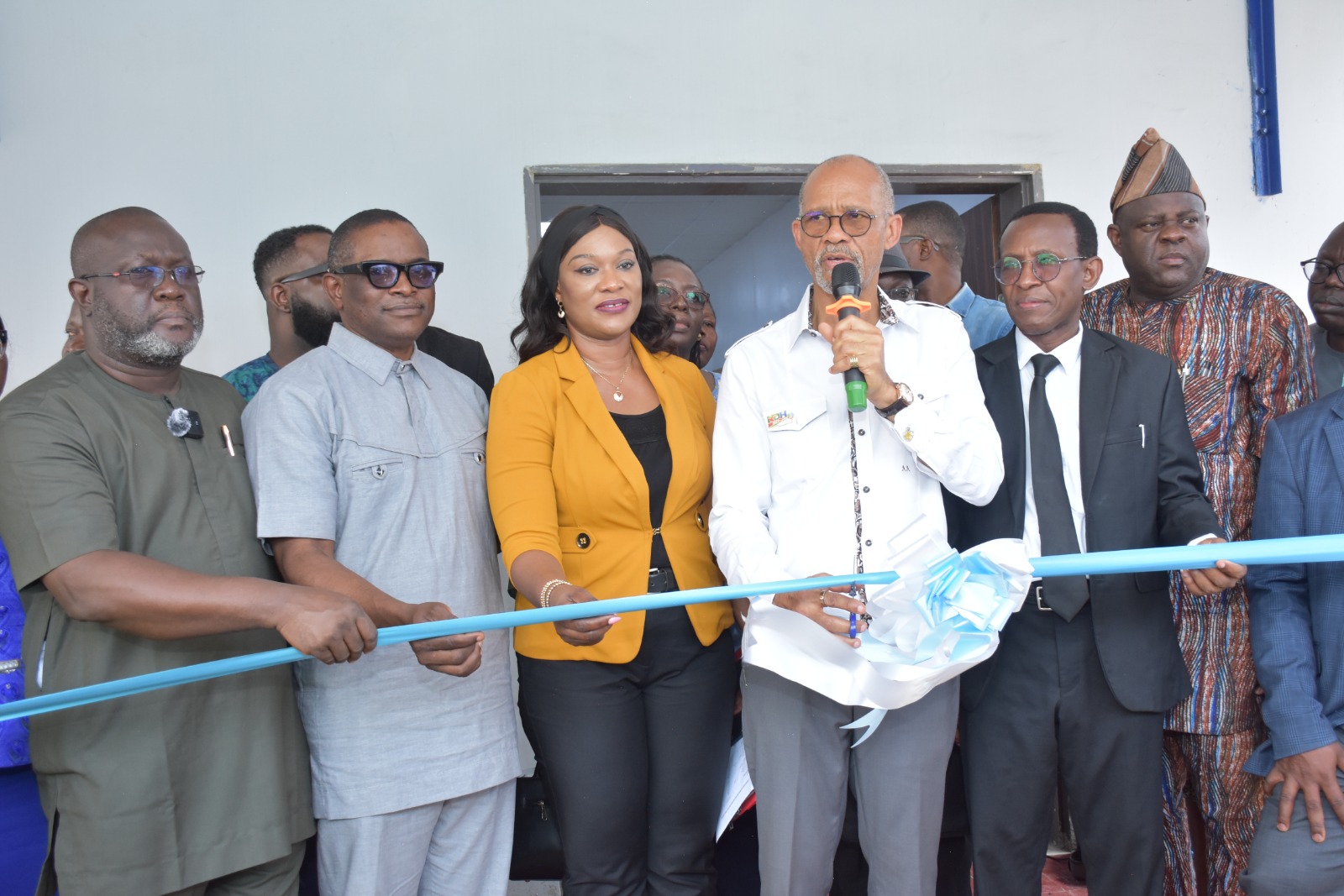
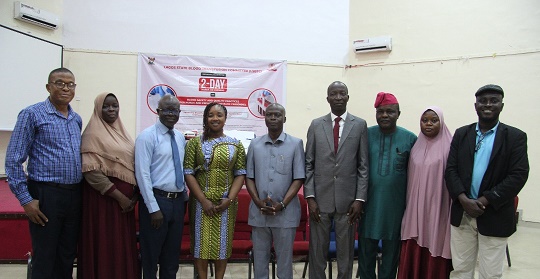
Lagos State has intensified efforts to ensure safe blood transfusions, training 2,500 public and private blood bank personnel over a two-day capacity-building programme held on November 20–21 at the MRC Laboratory, LASUTH, Ikeja. The training, organised by the Lagos State Blood Transfusion Service (LSBTS), focused on standardized testing, infection prevention, and transfusion accuracy.
Opening the workshop, LSBTS Executive Secretary Dr. Bodunrin Osikomaiya described the programme as a strategic intervention to close quality gaps and align blood transfusion practices with national and international standards. She highlighted that bacterial contamination remains a leading cause of transfusion-related illness, often overshadowed by viral threats such as HIV and Hepatitis.
“The theme, ‘Advancing Blood Safety and Quality through Standardized Testing and Infection Control Practices,’ underscores Lagos State’s commitment to enhancing donor screening, blood collection, laboratory procedures, and transfusion outcomes,” she said. Dr. Osikomaiya also noted that the training would directly influence the 2026 External Quality Assurance Assessment, which evaluates accuracy in tube grouping, crossmatching, documentation, and infection prevention.
Senior lecturer and medical microbiologist Dr. Bamidele Mutiu stressed the importance of preventing transfusion-transmitted bacterial infections, noting that platelets are particularly vulnerable due to room-temperature storage. He highlighted that while a completely risk-free blood supply is unattainable, rigorous screening, sterile procedures, and competent personnel can drastically reduce risks.
Dr. Samuel Alori, Head of Monitoring and Enforcement at LSBTS, outlined Lagos State’s regulatory framework for blood transfusion, emphasising routine monitoring of blood banks to ensure compliance with WHO and national standards. He noted that enhanced inspections and digital tools like HaemoCentral have reduced illegal blood banking practices in the state.
Mrs. Rasheedat Mecca, Head of Blood Bank and Component Production at LSBTS, led practical demonstrations on safe blood collection, donor identification, aseptic techniques, proper documentation, and component handling. She stressed that adherence to SOPs is critical to ensuring safe transfusions.
Participants praised the programme for highlighting operational gaps and the importance of preventing bacterial contamination. Many committed to reviewing internal procedures at their facilities to align with the newly reinforced safety standards.
The workshop featured hands-on sessions in tube blood grouping, crossmatching, and contamination prevention, ultimately reinforcing Lagos State’s commitment to ensuring safe, compatible, and infection-free blood transfusions across all public and private health facilities.