

By Ayomide Otitoju
The Lagos State Ministry of Health has trained healthcare professionals across the state on the prevention and management of sexual and gender-based violence (SGBV), as part of renewed efforts to improve frontline response to sexual assault cases.
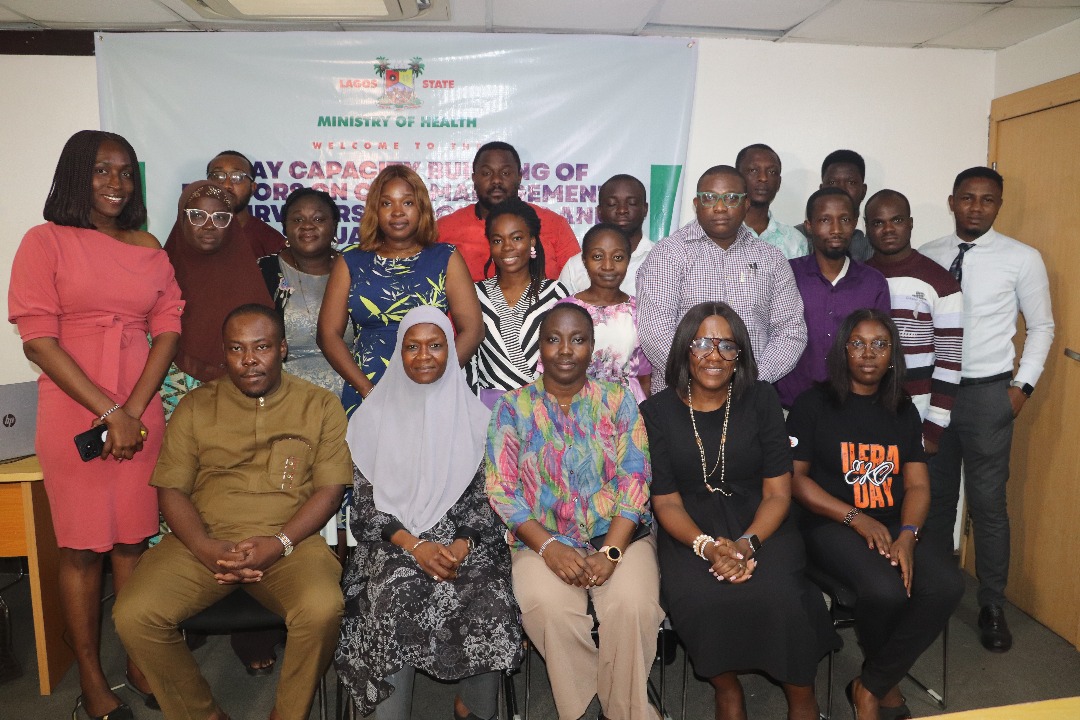
The two-day training, held on November 11–12 at the Lagos Chamber of Commerce and Industry (LCCI), Alausa, brought together doctors and nurses from public and private facilities across all levels of care.
Speaking on behalf of the Director of Family Health and Nutrition, Dr. Folasade Oludara, Deputy Director of Child Health, Dr. Oluwatosin Onasanya, said the rising cases of rape and defilement across Lagos communities underscored the need to strengthen the capacity of first responders. She stressed that health workers play a critical role not only in managing survivors clinically but also in ensuring proper documentation for legal processes.
Dr. Onasanya explained that the training was aimed at equipping participants with the skills to identify, document, and manage sexual assault cases professionally and compassionately. She noted that personnel were selected from all 57 LGAs and LCDAs, particularly from high-incidence areas, adding that the state had already provided specimen collection tools to health facilities to support evidence-based care.
SGBV Programme Manager, Lagos State Ministry of Health, Dr. Juradat Aofiyebi, described the capacity-building exercise as a strategic step toward improving survivor-centred care and strengthening prosecution outcomes. She said 25 experienced doctors from the state’s general hospitals participated, reaffirming the government’s commitment to reducing SGBV through a multi-sectoral approach.
Delivering a presentation on legal processes, Deputy Director at the Directorate of Public Prosecutions (DPP), Mrs. Adebanke Ogunde, highlighted the importance of accurate medical documentation in securing convictions. She reminded health workers of their mandatory duty to report suspected cases to the police or the Lagos State Domestic and Sexual Violence Agency (DSVA), noting that medical reports serve as key corroborative evidence in court, especially in cases involving minors.
In a technical session, Consultant Family Physician at LASUTH, Dr. Oluwajimi Sodipo, stressed the need for timely medical care, psychosocial support, and non-judgmental treatment of survivors. He commended Lagos for sustaining inter-agency collaboration but called for strengthened forensic capacity, improved insurance coverage, and better welfare for healthcare professionals.
Also speaking, Claims Officer at the Lagos State Health Management Agency (LASHMA), Mrs. Anyebe Margret, outlined the integration of SGBV services into the ILERA EKO health insurance scheme. She noted that survivors are covered for treatment, investigations, and follow-up care under the state’s Equity Fund.
A presentation by Assistant Director of Health Education, Mrs. Ololade Babarere, focused on self-care for healthcare workers managing sexual assault cases. She warned that repeated exposure to trauma can lead to burnout and compassion fatigue, urging workers to adopt coping strategies such as rest, exercise, and peer support.
Participants praised the training for enhancing their competence. Dr. Odiawa Ijeweme of the General Hospital, Apapa, said the sessions improved her understanding of history-taking and referral procedures, while Dr. Charity Eferaro of the Lagos State University Health Centre, Ojo, said it strengthened her ability to provide holistic, stigma-free care to student survivors.
The training reaffirmed the Lagos State Government’s commitment to strengthening institutions, improving survivor-centred care, and ensuring justice for victims through continued collaboration among the Ministry of Health, Ministry of Justice, LASHMA, and DSVA.