







By Ayomide Otitoju
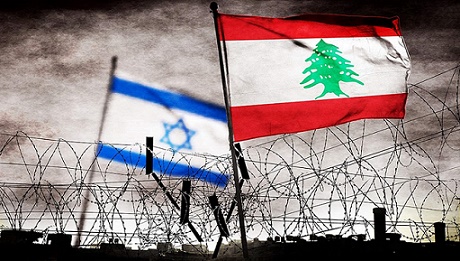
A 10-day ceasefire between Lebanon and Israel came into effect on Friday, prompting thousands of displaced residents to begin returning south despite warnings of ongoing violations in the area.
Shortly after the truce began at midnight local time, the Lebanese army cautioned civilians in the south not to return home, citing “several Israeli acts of aggression.” However, images showed long queues of vehicles moving south along the coastal highway, with residents crossing damaged infrastructure as they headed back to their communities.
The ceasefire triggered mixed reactions on the ground, with some residents heeding official warnings while others pressed ahead, driven by what they described as deep attachment to their homes and land.
In southern Beirut suburbs, sporadic gunfire was reported overnight as the truce took effect, though it was unclear whether the incidents were celebratory or related to ongoing tensions.
The Israeli military said it had struck more than 380 targets linked to Hezbollah ahead of the ceasefire and remained on high alert, while maintaining a planned 10-kilometre security zone along the border.
US President Donald Trump said he had spoken with both Israeli and Lebanese leaders ahead of the agreement and described the truce as a step toward broader peace efforts, adding that further high-level talks could follow in the coming days.
Israeli Prime Minister Benjamin Netanyahu described the ceasefire as an opportunity for a potential peace deal but insisted that disarmament of Hezbollah remained a key condition, while Lebanese officials welcomed the truce as a long-sought reprieve from months of fighting.
Despite the agreement, tensions remained high following continued exchanges of fire and casualties reported shortly before the ceasefire took effect.