






By Ayomide Otitoju
The Lagos State Blood Transfusion Service (LSBTS) has released the 2026 External Quality Assessment (EQA) Proficiency Testing results, marking notable progress in the performance of both public and private blood banks across the state.
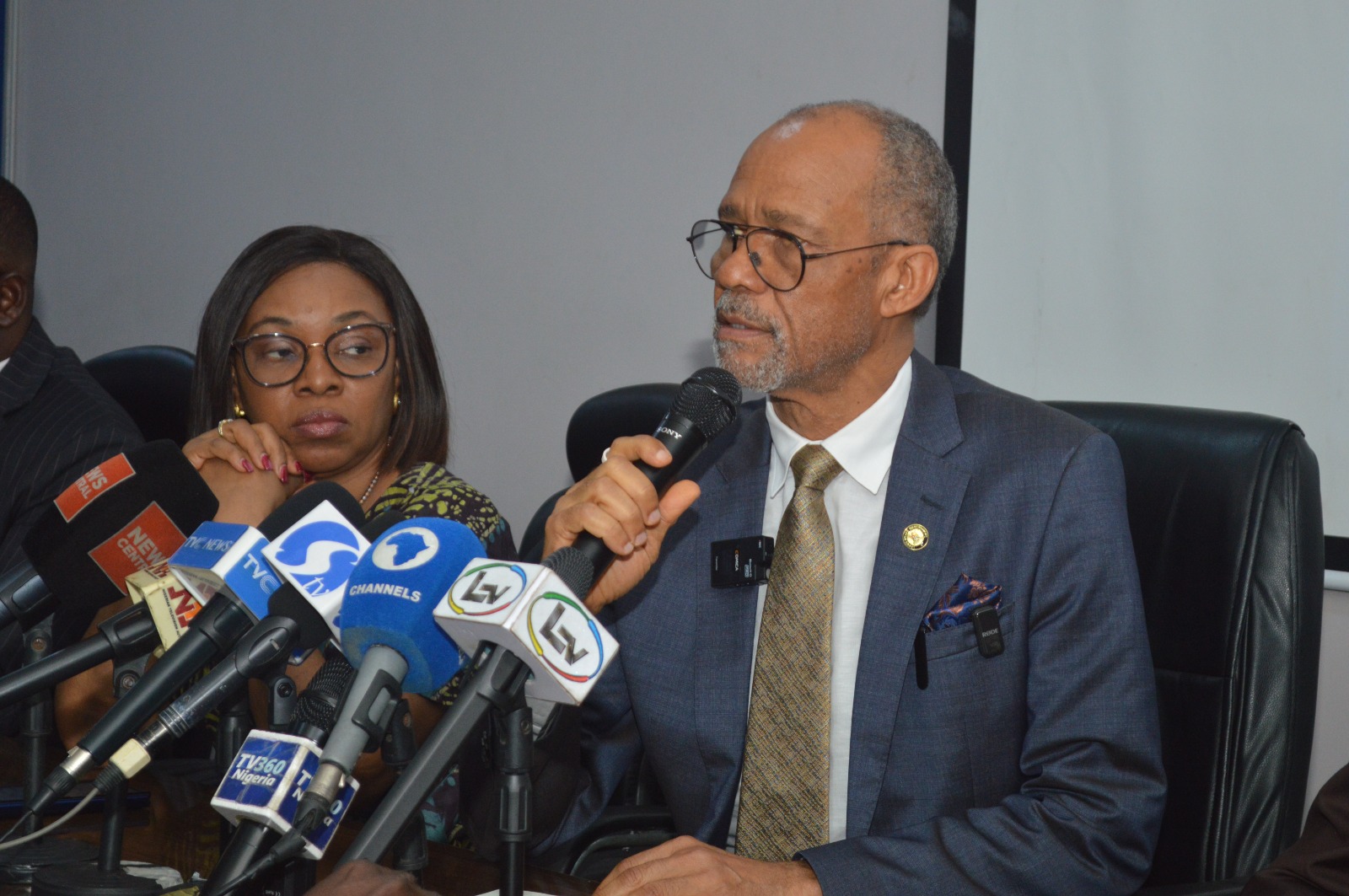
At a ceremony held on Friday at the LSBTS headquarters in Gbagada, the Executive Secretary, Dr. Bodunrin Osikomaiya, said the 2026 cycle recorded significant improvements compared to 2025, attributing the progress to sustained training, tighter regulation, and increased collaboration across the sector.
She explained that the EQA programme was introduced to provide measurable standards for assessing laboratory competence and blood bank operations, adding that it has now become a key benchmark for evaluating service quality in Lagos.
According to her, over 170 facilities participated in the 2026 exercise, with a high rate of timely submissions, reflecting improved compliance among operators.
Dr. Osikomaiya disclosed that 72 per cent of participating facilities scored above the 80th percentile, describing it as evidence that ongoing training and supervision are yielding positive results.
She, however, warned that underperforming facilities would be required to undergo mandatory retraining and reassessment, while those that fail to meet minimum standards risk suspension until full compliance is achieved.
Reaffirming the state’s commitment to patient safety, she stressed that no facility would be allowed to operate as a blood bank in 2026 without proper registration and demonstrated competence.
She also commended private operators for their commitment to quality improvement and acknowledged the support of Governor Babajide Sanwo-Olu and the state health leadership in funding the programme.
The Quality Manager of LSBTS, Taiwo Oloko, described the exercise as highly successful, noting that participating facilities demonstrated strong compliance in sample submission and reporting timelines.
He added that the assessment also evaluated clinical decision-making, reagent usage, and blood grouping accuracy, alongside documentation standards such as patient identification and reporting procedures.
Representatives from participating facilities, including the Lagos State University Teaching Hospital (LASUTH) blood bank, credited improved performance to targeted retraining and stronger institutional support following previous shortcomings.
Similarly, officials from private facilities, including Options Medical Diagnostics, said the EQA programme has become an important tool for continuous quality improvement and alignment with global laboratory standards.