

By Ayomide Otitoju
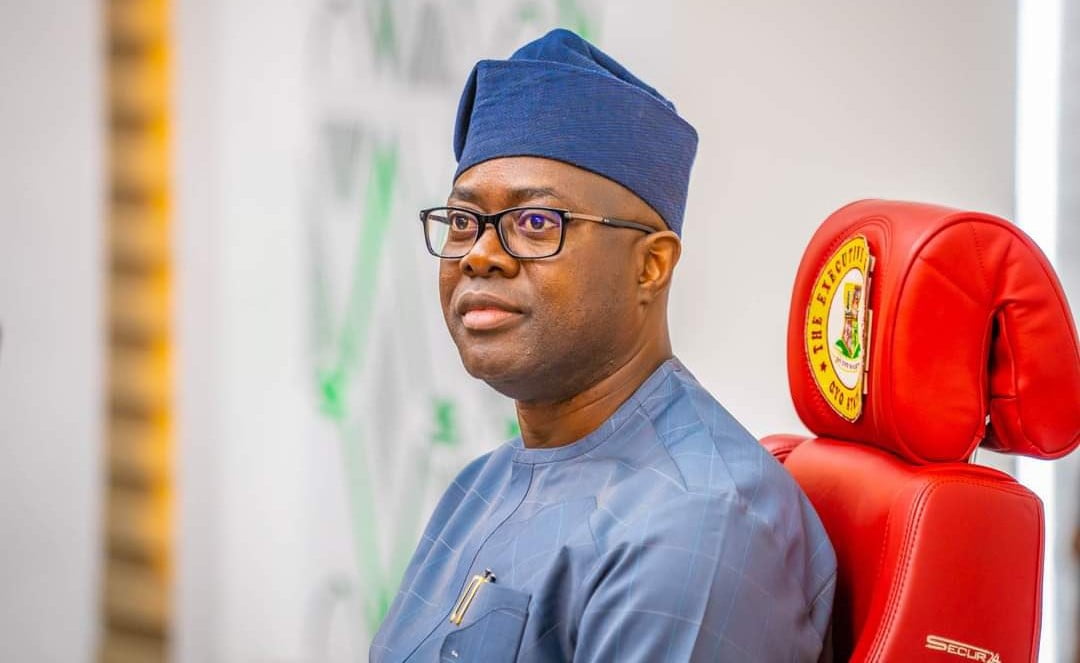
Governor of Oyo State, Seyi Makinde, has dismissed claims that the gathering of opposition leaders in Ibadan was targeted at any individual, stating that the meeting was aimed at strengthening Nigeria’s democratic system ahead of the 2027 general elections.
Makinde made the clarification on Saturday at the National Summit of Opposition Political Party Leaders held at the Banquet Hall of the Oyo State Government House in Ibadan.
He emphasised that the meeting was not a political coalition against any person or driven by individual ambitions, but rather focused on safeguarding democratic values and ensuring a competitive political environment.
According to him, the summit was convened to address broader concerns about the future of Nigeria’s democracy, warning against any drift toward a one-party system.
Makinde stressed that the presence of a credible opposition is essential for accountability and the sustainability of democratic governance, noting that weakening opposition voices could have serious implications for the country.
The summit, widely seen as part of ongoing consultations ahead of the 2027 elections, brought together key opposition figures, including Atiku Abubakar, Peter Obi, Rabiu Kwankwaso, Rauf Aregbesola, and Rotimi Amaechi, among others.
Participating political parties included the Peoples Democratic Party, Labour Party, New Nigeria People’s Party, and several others.
At the end of the meeting, opposition leaders resolved to present a united front in the 2027 elections, agreeing to field a single presidential candidate to challenge Bola Tinubu of the ruling All Progressives Congress.
In a communiqué, the parties also called on the Independent National Electoral Commission to extend the deadline for party primaries to the end of July 2026, while urging the National Assembly to review provisions of the Electoral Act, 2026, to safeguard the integrity of the electoral process.
Keynote speakers at the event, including Mike Igini, Kabiru Adamu, and Pat Utomi, highlighted concerns over governance and called for urgent reforms to strengthen Nigeria’s democratic institutions.


