







By Ayomide Otitoju
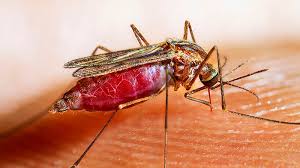
Mosquitoes remain the deadliest animals to humans, responsible for an estimated 760,000 deaths annually through the spread of diseases such as malaria, dengue, yellow fever, chikungunya, and Zika, according to researchers and global health experts.
Despite their size, mosquitoes account for about 17 per cent of infectious diseases worldwide, far surpassing threats posed by larger predators such as lions or snakes.
Scientists warn that climate change is expanding mosquito habitats as rising global temperatures and longer summers allow disease-carrying species to spread into new regions, heightening fears of future health crises.
Experts say only a small fraction of the world’s roughly 3,500 mosquito species pose a major threat to humans. About 100 species bite humans, while just five are responsible for nearly 95 per cent of mosquito-borne infections.
Hilary Ranson, a vector biologist at the Liverpool School of Tropical Medicine, said eliminating the most dangerous mosquito species could be environmentally manageable given the scale of the public health burden they create.
Researchers are now exploring advanced technologies to curb mosquito populations and reduce disease transmission. One approach involves “gene-drive” technology, which genetically modifies mosquitoes to pass harmful traits, such as infertility, to future generations.
Scientists have already succeeded in wiping out laboratory populations of malaria-carrying Anopheles gambiae mosquitoes using the technique, while projects such as Target Malaria plan field trials in Africa before 2030.
Another promising strategy uses Wolbachia bacteria to weaken the ability of Aedes aegypti mosquitoes to transmit dengue fever. Trials in Brazil’s city of Niteroi reportedly led to an 89 per cent reduction in dengue cases.
More than 16 million people across 15 countries have reportedly benefited from Wolbachia-based mosquito control programmes without significant negative environmental effects.
However, experts caution that technological interventions alone may not solve mosquito-borne diseases. Researchers stress the need for broader investments in healthcare access, disease surveillance, vaccination, improved housing, and sanitation.
Scientists also acknowledged ethical and ecological concerns surrounding the deliberate elimination of mosquito species, although some argue that the targeted removal of a few highly dangerous species may have limited impact on ecosystems.
Humanitarian groups have meanwhile warned that recent cuts to foreign aid by several Western countries could undermine progress in combating mosquito-borne diseases globally.


