





By Ayomide Otitoju
MTN Nigeria, the nation’s largest telecommunications operator, has called for urgent measures to restore profitability in the telecom sector to ensure its long-term sustainability.
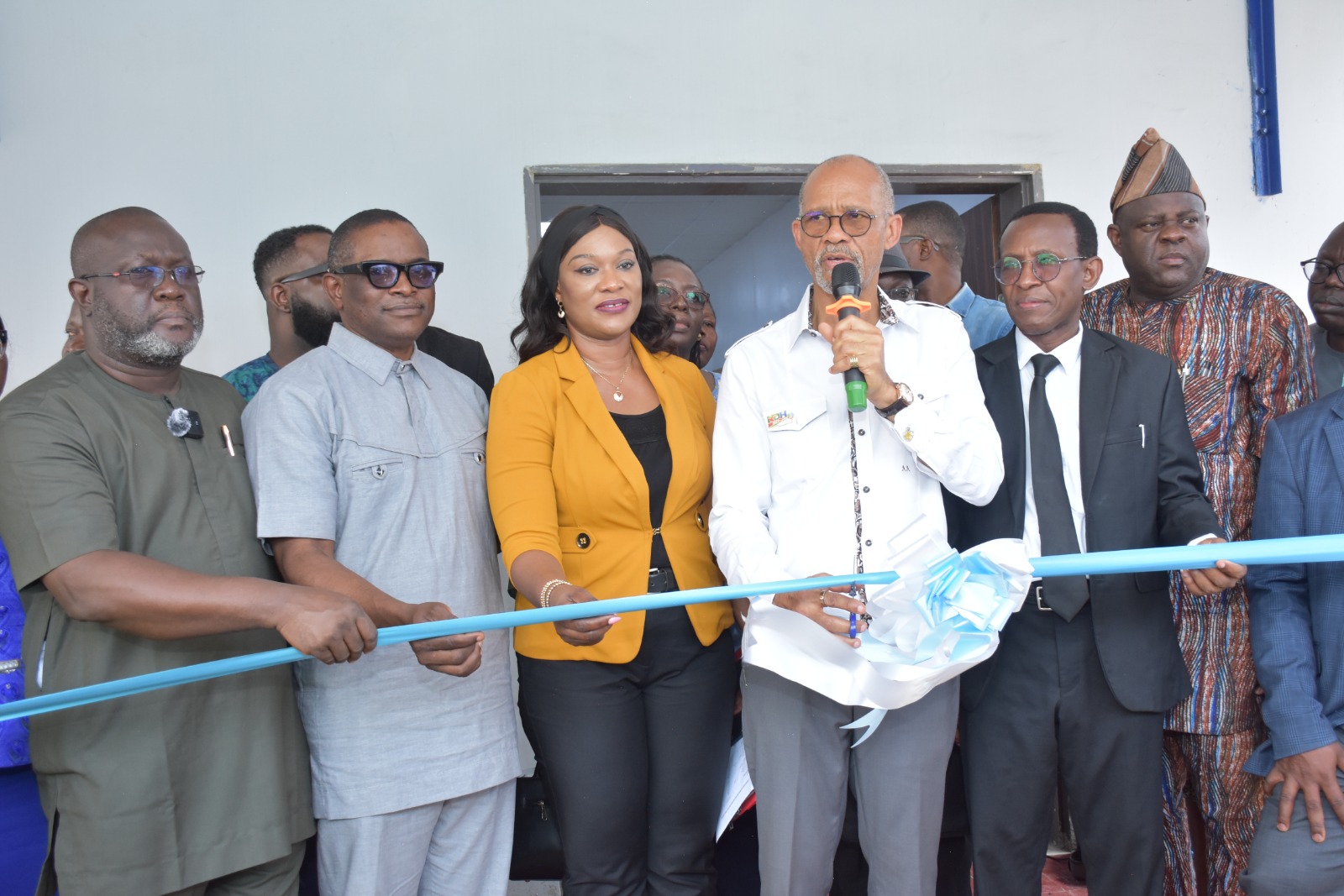
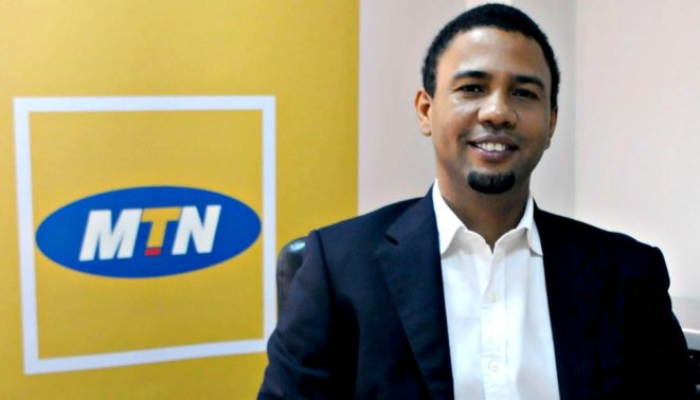
Speaking during a tour of MTN’s facilities in Ibeju-Lekki, Lagos, on Monday, MTN Nigeria’s Chief Executive Officer, Karl Toriola, highlighted the severe financial strain the industry is facing. With 78 million subscribers under its network, MTN is grappling with significant losses and depleting reserves.
Toriola emphasized the pressing need for reforms, stating, “We must return the industry to profitability.” He warned that the company’s reliance on accumulated profits from the past two decades is unsustainable.
Telecom operators have long been advocating for a tariff hike, the first in over 11 years, to cope with escalating operational costs. Toriola reiterated that without such adjustments, the sector would face further financial decline, threatening service quality and operational viability. “If the tariff doesn’t go up, we will shut down,” he warned, citing rising diesel prices and other cost pressures as critical challenges.
In 2024, MTN Nigeria reported a N519.1 billion loss in the first half of the year, largely due to foreign exchange losses following the devaluation of the naira and high inflation. The company, once a top corporate taxpayer in Nigeria, has seen its tax contributions dwindle amid these financial difficulties.
Toriola also expressed concerns over a N250 billion debt owed by Nigerian banks for Unstructured Supplementary Service Data (USSD) services, warning that MTN may suspend these services unless the debt is settled and tariffs adjusted.
Despite these challenges, Toriola expressed hope that new leadership at the Central Bank of Nigeria, under Governor Yemi Cardoso, and the Nigerian Communications Commission, led by Dr. Aminu Maida, would step in to resolve the sector’s financial crisis.
He concluded by urging swift government intervention, underscoring the critical role the telecommunications industry plays in Nigeria’s economy and the potential consequences if current issues remain unaddressed.