





By Ayomide Otitoju
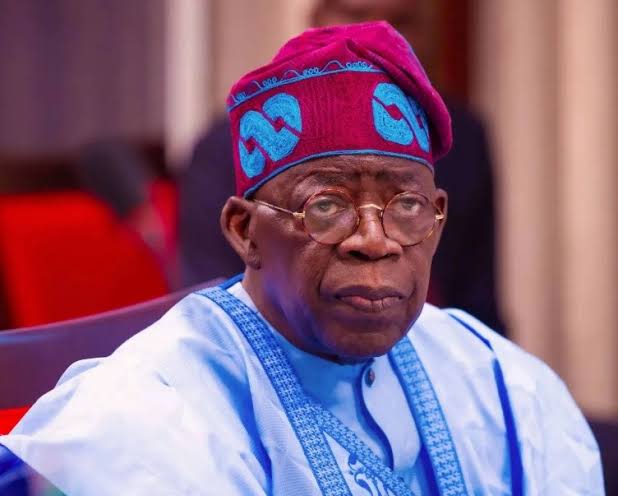
Lagos State Governor, Mr. Babajide Sanwo-Olu, on Tuesday said the success of President Bola Ahmed Tinubu’s tax reform agenda would depend not only on federal legislation but on effective implementation by states and local governments.
Sanwo-Olu said Lagos had begun readjusting its revenue systems in preparation for the harmonisation of the new tax law, which is expected to take effect in January, stressing the state’s readiness to align policy with practice and strengthen inter-governmental collaboration.
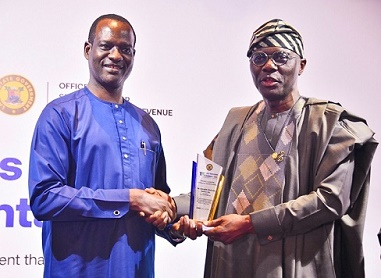
The governor spoke at the Tax Reform Summit organised by the Lagos State Government at the Marriott Hotel, Ikeja. The two-day event is jointly hosted by the Office of the Special Adviser on Taxation and Revenue and the State Treasury Office, with the theme, “Tax Reform Summit: The Lagos Implementation Road Map.”
Sanwo-Olu noted that Lagos operates within a national fiscal framework and remains fully aligned with the ongoing tax reforms initiated by the Tinubu administration.
He dismissed criticisms that the reforms would place additional burdens on the poor, arguing that the new tax law is designed to simplify Nigeria’s tax regime by reducing multiplicity, strengthening administration and modernising revenue collection through technology.
According to him, the reforms are aimed at supporting economic growth at the sub-national level while ensuring fairness, predictability and improved compliance.
“The new tax laws initiated by Mr. President are fundamentally designed to create a system that supports economic growth at the sub-national level while ensuring fairness, predictability and improved compliance,” Sanwo-Olu said.
“Contrary to baseless assumptions, the new tax law will protect small businesses and ensure that the wealthy fulfil their obligations to society. It will block leakages and expand the tax net.”
He added that the success of the reforms would largely depend on states’ capacity to implement them effectively.
“The success of the tax reform journey will depend not only on legislation at the federal level, but on effective implementation at the state level. Lagos is ready to play its leadership role by aligning policy with practice, strengthening inter-governmental collaboration, and maintaining continuous engagement with the private sector and professional bodies,” the governor said.
Sanwo-Olu said the national tax reforms align with Lagos State’s long-standing approach to public finance, noting that the state faces unique development pressures that require sustainable, internally generated revenue solutions.
He described the summit as a signal of Lagos’ readiness to move beyond policy discussions to practical implementation, adding that the state’s approach to the new tax framework is anchored on simplicity, transparency, digital efficiency and fairness.
“Lagos State is positioning itself as a leading sub-national in the implementation of these reforms. Our focus is not merely compliance with new frameworks, but effective execution that delivers real value to citizens and businesses,” he said.
Also speaking, the Commissioner for Finance, Mr. Abayomi Oluyomi, said Lagos remains a trailblazer in fiscal innovation and revenue administration, adding that the new tax framework presents both challenges and opportunities to build a more efficient and equitable tax system.
Oluyomi stressed that the success of the reforms is tied to synergy between the state and its 57 local governments, noting the need to harmonise efforts, eliminate duplication and adopt data-driven implementation.
“Property enumeration, digital mapping, and the integration of the Payer ID with the National TIN are practical steps we must master,” he said, adding that a transparent and data-backed property valuation system is critical to unlocking the sector’s full revenue potential.
Guest speaker and Chairman of the Presidential Committee on Fiscal Policy and Tax Reforms, Mr. Taiwo Oyedele, said quality and accurate data are essential to the effective implementation of the new tax law.
Oyedele explained that under the new regime, the Federal Government would provide policy direction and harmonisation, while states and local governments would handle implementation, administration and service delivery.
He said standardisation of the tax system would move the country away from fragmented and opaque practices, urging Lagos to pilot solutions that other states could replicate.
“In Nigeria today, the number of active tax-paying individuals is under 10 million nationwide. Based on the population of active workers, that number should be achievable in Lagos State alone,” Oyedele said.
Earlier, the Chairman of the Lagos Inland Revenue Service (LIRS), Mr. Ayodele Subair, said the agency had finalised a targeted awareness programme to educate residents on the new tax law.
Subair said a structured reform implementation programme had also been established to guide coordinated execution, digital alignment and institutional capacity building, adding that sensitisation efforts were being phased in line with national guidance from the Presidential Committee on Fiscal Policy and Tax Reforms.


