








By Ayomide Otitoju
Nigeria’s inflation rate edged up to 34.80% in December 2024 from 34.60% in November, driven by heightened demand during the festive season, according to the National Bureau of Statistics (NBS).
The NBS disclosed this in its latest Consumer Price Index (CPI) report, which tracks changes in the prices of goods and services. The December figure marked a marginal 0.20% increase from the previous month.
“This was due to December festive period increases in demand for goods and services,” the report noted.
On a year-on-year basis, the inflation rate was 5.87 percentage points higher than the 28.92% recorded in December 2023, reflecting significant price pressures over the past year.
Food Inflation Hits 39.84%
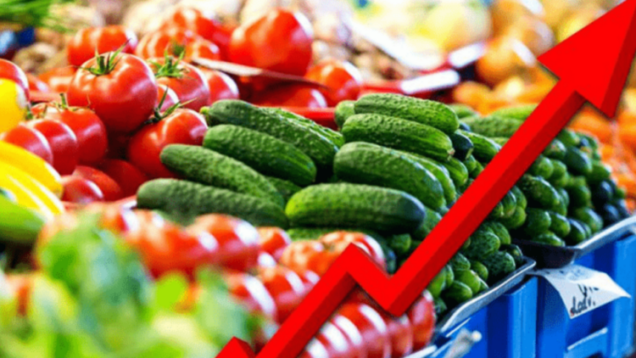
Food inflation surged to 39.84% in December 2024, a year-on-year increase of 5.91 percentage points compared to 33.93% in December 2023. The NBS attributed the rise to higher prices for staple items, including yam, sweet potatoes, maize grains, rice, bread, cereals, fish, and beer.
The escalating cost of food and commodities continues to strain Nigerians, who are grappling with one of the worst cost-of-living crises since the country’s independence.
Policy Impacts on Inflation
When President Bola Tinubu assumed office in May 2023, the inflation rate stood at 22.41%. Since then, it has risen dramatically to 34.80%, with economic analysts pointing to the government’s removal of petrol subsidies and unification of forex rates as key drivers.
Tinubu, in his ₦49.7 trillion 2025 budget presentation to the National Assembly on December 18, 2024, vowed to reduce inflation to 15% by the end of 2025. However, experts have expressed skepticism, describing the target as overly ambitious given the current economic challenges.
Outlook
With inflation persistently high and food prices soaring, Nigerians face mounting economic hardship. The government’s efforts to stabilize the economy will be closely watched in the coming months, as achieving its inflation target remains a formidable task.


