




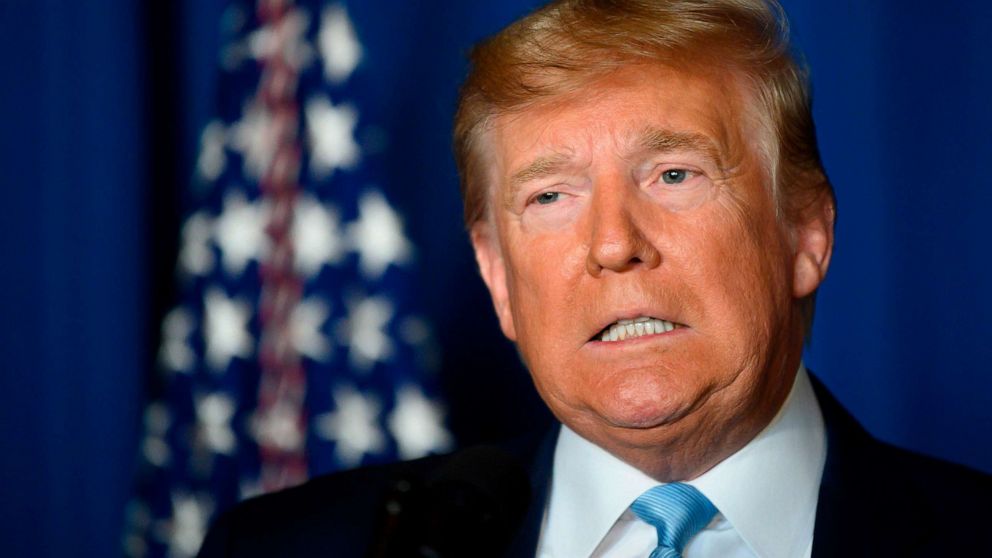
As Donald Trump prepares for a potential return to the White House, anxiety is mounting across United Nations agencies, fearful of a repeat—or escalation—of his administration’s prior actions that disrupted global diplomacy and funding.
During his first term, Trump slashed U.S. contributions to the UN, exited the Paris climate accord, withdrew from UNESCO, began pulling out of the World Health Organization (WHO), and walked away from the UN Human Rights Council. Experts now warn that a second Trump administration could implement such measures even faster.
“I don’t think Trump is going to hang about so long this time,” Richard Gowan of the International Crisis Group told AFP. “He’s likely to walk away from those UN mechanisms and arrangements that he boycotted before without much ceremony.”
The United States remains the UN’s largest donor, making any potential funding cuts particularly concerning as the organization grapples with financial pressures.
UN spokesperson Stephane Dujarric underscored the importance of the U.S.-UN relationship, calling it “a critical pillar of international relations.” However, skepticism persists within Trump’s circle. Elise Stefanik, reportedly Trump’s pick for UN ambassador, has labeled the organization “a corrupt, defunct, and paralyzed institution.”
Funding Cuts and Strategic Concerns
Republicans in Congress may push to defund the UN entirely, though analysts like Jussi Hanhimaki of the Geneva Graduate Institute consider a total U.S. withdrawal unlikely. “The best argument against the U.S. wholesale withdrawal is (that) China will… become more and more influential,” Hanhimaki told AFP.
China’s influence grew during Trump’s first term, particularly in bodies like the Human Rights Council, where the U.S. absence created a vacuum. Outgoing U.S. ambassador to the UN in Geneva, Sheba Crocker, warned that strategic rivals are already deeply invested in expanding their interests within the UN framework.
WHO and Reproductive Rights in the Crosshairs
The WHO, a frequent target of Trump’s criticism, faces the possibility of a day-one withdrawal under a second Trump presidency. Suerie Moon of the Global Health Centre at the Geneva Graduate Institute cautioned against such a move, arguing it would diminish U.S. influence.
Reproductive rights programs are also at risk. During Trump’s first term, funding to the UN Population Fund (UNFPA) was cut, impacting global efforts to improve maternal health. Rachel Moynihan, deputy director of UNFPA’s Washington office, expressed concern but emphasized the agency’s resilience.
European Allies Less Willing to Fill the Gap
In Trump’s absence, European nations previously stepped in to support UN agencies facing funding cuts. This time, however, they appear less willing to bear the financial burden. “They do not have spare cash lying around… to ride to the rescue of the UN,” Gowan said.
Preparing for an Uncertain Future
UN agencies are already exploring alternative funding sources and cost-cutting measures to mitigate potential fallout. Hanhimaki noted that such reflections could prove beneficial, emphasizing the risks of relying on politically volatile donors.
As Trump’s potential return looms, the UN finds itself at a crossroads, grappling with how to navigate the challenges of diminished U.S. support while maintaining its role in global governance.