



By Ayomide Otitoju
The Federal Government has commissioned a 1-megawatt (MW) solar mini-grid with a 2.4-megawatt-hour (MWh) battery storage system in Tallasse, Balanga Local Government Area of Gombe State, ending a 17-year electricity blackout in the community.
The project, delivered through the Rural Electrification Agency (REA) in partnership with the Gombe State Government and a private developer, currently serves 6,028 connections.
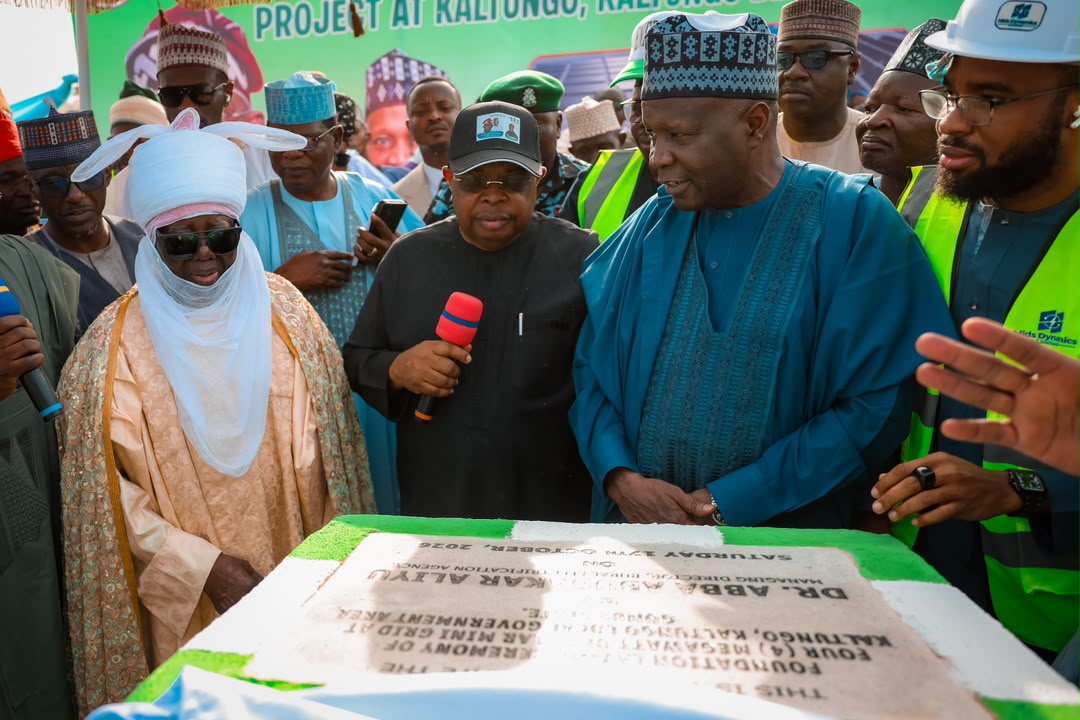
The commissioning also marked the flag-off of a 16MW network of four interconnected solar mini-grids across Dukku, Bajoga, Kumo and Kaltungo communities to extend electricity access to households, farms, markets and small businesses.
The Tallasse facility also includes electric groundnut oil processing, rice milling and flour grinding equipment, as well as electric tricycles to support local economic activities.
Speaking at the commissioning, the Minister of Power, Joseph Tegbe, said the projects reflected President Bola Tinubu’s Renewed Hope Agenda and the Federal Government’s efforts to expand renewable energy access across the country.
He said the Tallasse project would improve living conditions and create opportunities for farmers, traders, artisans and young people by providing electricity for productive activities.
According to him, the projects could strengthen public services, reduce dependence on expensive self-generation and attract businesses to the benefiting communities.
Tegbe said the Ministry of Power would work with the Gombe State Government, developers and host communities to ensure reliable electricity supply and sustainable economic benefits.
He also urged residents to protect the facilities against vandalism.
Gombe State Governor, Muhammadu Inuwa Yahaya, described the projects as the outcome of collaboration between the state government and the Federal Government through the REA.
He said reliable electricity combined with facilities for rice milling, groundnut processing, flour production and electric mobility would strengthen the local economy, particularly in agricultural communities such as Balanga.
The Managing Director and Chief Executive Officer of the REA, Abba Aliyu, said the agency was shifting its focus from measuring electricity connections and installed capacity to assessing the economic impact of its projects.
He explained that the mini-grid projects incorporate battery storage, intelligent monitoring systems, productive-use equipment and sustainable operating models to improve reliability and support local businesses.
The projects are being implemented under the Distributed Access through Renewable Energy Scale-up programme, which supports the Federal Government’s broader strategy to expand electricity access through multiple energy solutions.
These include strengthening the national grid, developing mini-grids and embedded generation, deploying solar home systems and providing dedicated power supplies for universities, markets and agricultural clusters.
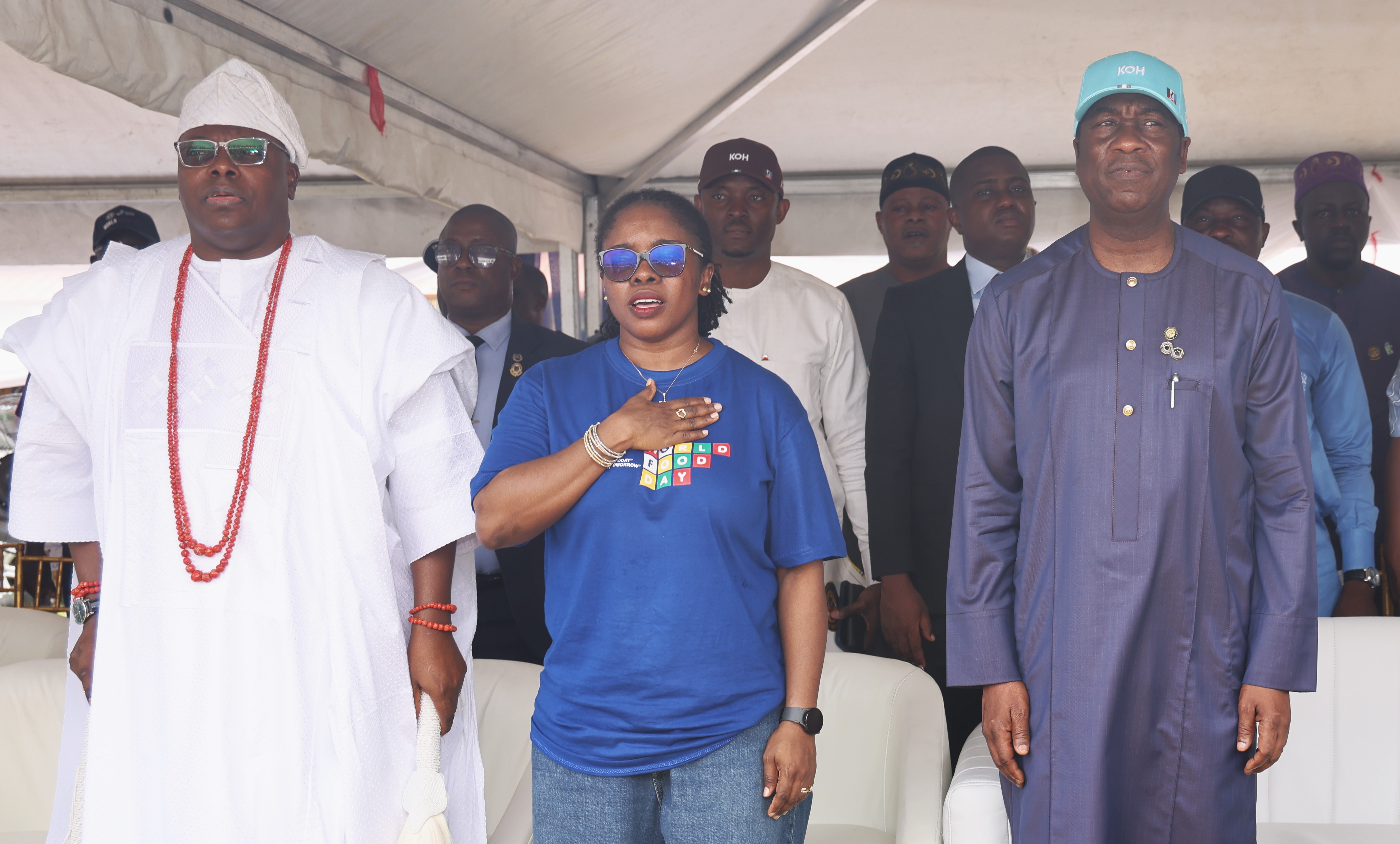
The commissioning ceremonies were attended by members of the Gombe State Executive Council, traditional rulers and community leaders, members of the National and State Assemblies, and religious leaders.