

By Ayomide Otitoju
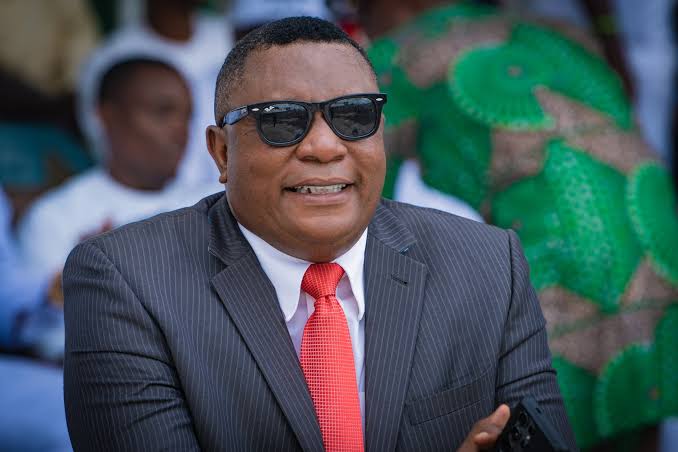
Nigerian National Petroleum Company Limited Executive Vice President, Olalekan Ogunleye, has said that the ongoing crisis in the Middle East is creating commercial opportunities for Nigeria, as demand rises for its liquefied natural gas (LNG) cargoes.
Speaking at the CERAWeek energy conference in Houston, Ogunleye highlighted Nigeria’s strategic advantage, noting its proximity to key consuming regions and Africa’s largest gas reserves. He said Nigeria LNG Limited, in which NNPC is the largest shareholder, currently exports up to 22 million metric tons per year and is developing a seventh production train set to be completed in 2027.
“We are right in the middle of the market. We are 10 sailing days from Europe, close to the Atlantic Basin, and close to Asia,” Ogunleye said. “We see commercial opportunities on top of the fact that we have the most gas reserves in Africa.”
Ogunleye added that demand for natural gas remains resilient despite geopolitical tensions and revealed that NNPC is exploring the addition of two new LNG trains and a 12 million metric tons per annum LNG project integrated with gas-based industrial hubs to tap more than 200 trillion cubic feet of domestic reserves.
He noted that buyers are increasingly seeking to diversify supply risks due to the U.S.-Israeli war on Iran, echoing comments from LNG consultant Martin Houston, who said African and South American countries with undistributed gas reserves could benefit from heightened global interest in new LNG supply, including floating LNG solutions.
Meanwhile, Heineken Lokpobiri, Minister of State for Petroleum Resources, said the Nigerian government is actively courting investors, ensuring policies provide a stable and attractive environment for investment. Speaking on the sidelines of CERAWeek, he noted ongoing discussions with major international oil companies, including Shell, Chevron, Total, Eni, and ExxonMobil.
“Before now, Nigeria wasn’t seen as an attractive investment destination. But over the past 15 years, upstream operations have been stable, and we now offer clarity, certainty, and a robust legal framework,” Lokpobiri said, adding that the country is ready for business and seeking strategic partnerships to maximize its oil and gas potential.